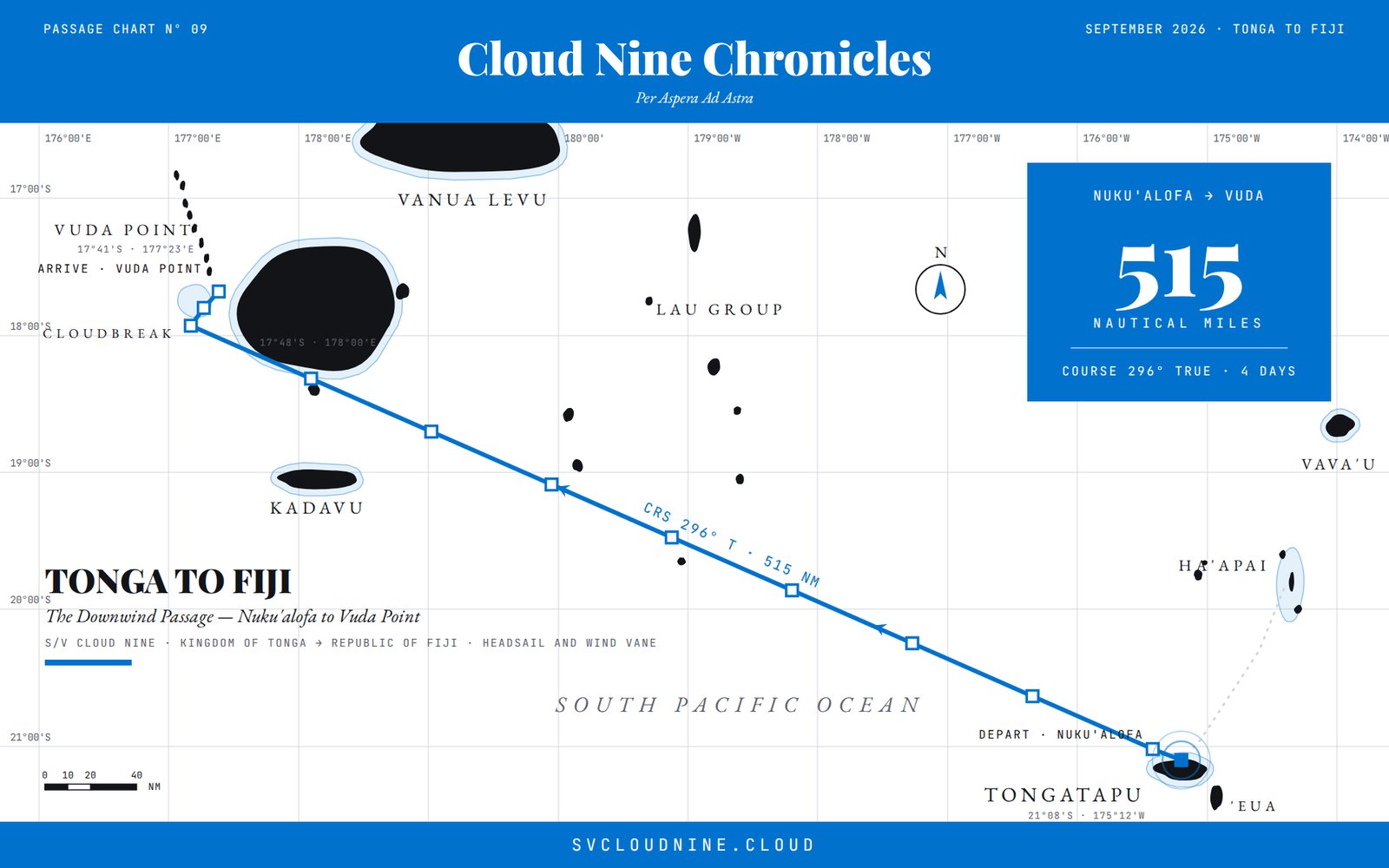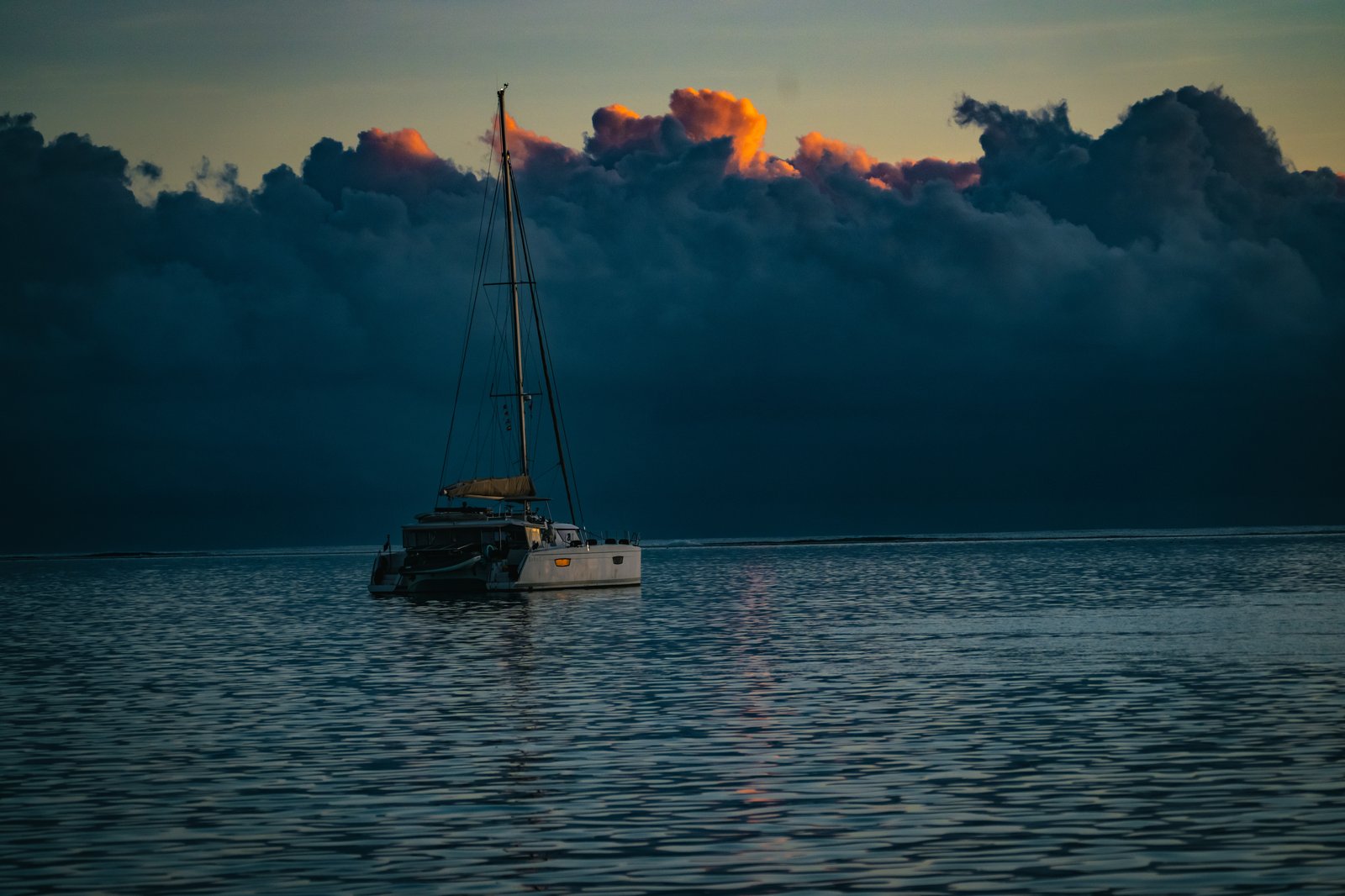
We left Nuku'alofa on Saturday the fifth of September with the trades blowing twenty to twenty five knots and Fiji sitting almost exactly dead downwind. There was no autopilot. What we had was a pin, and the pin was not going to be used until I could pick up the rose joint waiting for us in Vuda. So the call was the Hydrovane and the headsail, and nothing else, because the main was still jammed in the mast and had shown no interest whatsoever in helping with the journey. It sat up there like a crew member who had signed on for the beer and not the watches.
For three of the four days the arrangement worked better than it had any right to. The vane steered, the headsail pulled, Cloud Nine rolled her way west through the trades and I did very little except eat, sleep, admire the system and be happy that we were somewhat on course. On the fourth day the wind died, which is what wind does when you start to trust it, and we finished under headsail with the engine helping. That last night was the hard part. There were islands in every direction and more boat traffic than we had seen in months, and the only thing I wanted in the world was to close my eyes, which was the one thing I could not do. I stood in the cockpit and talked to the boat. She did not answer, but she did not run into anything hard either.
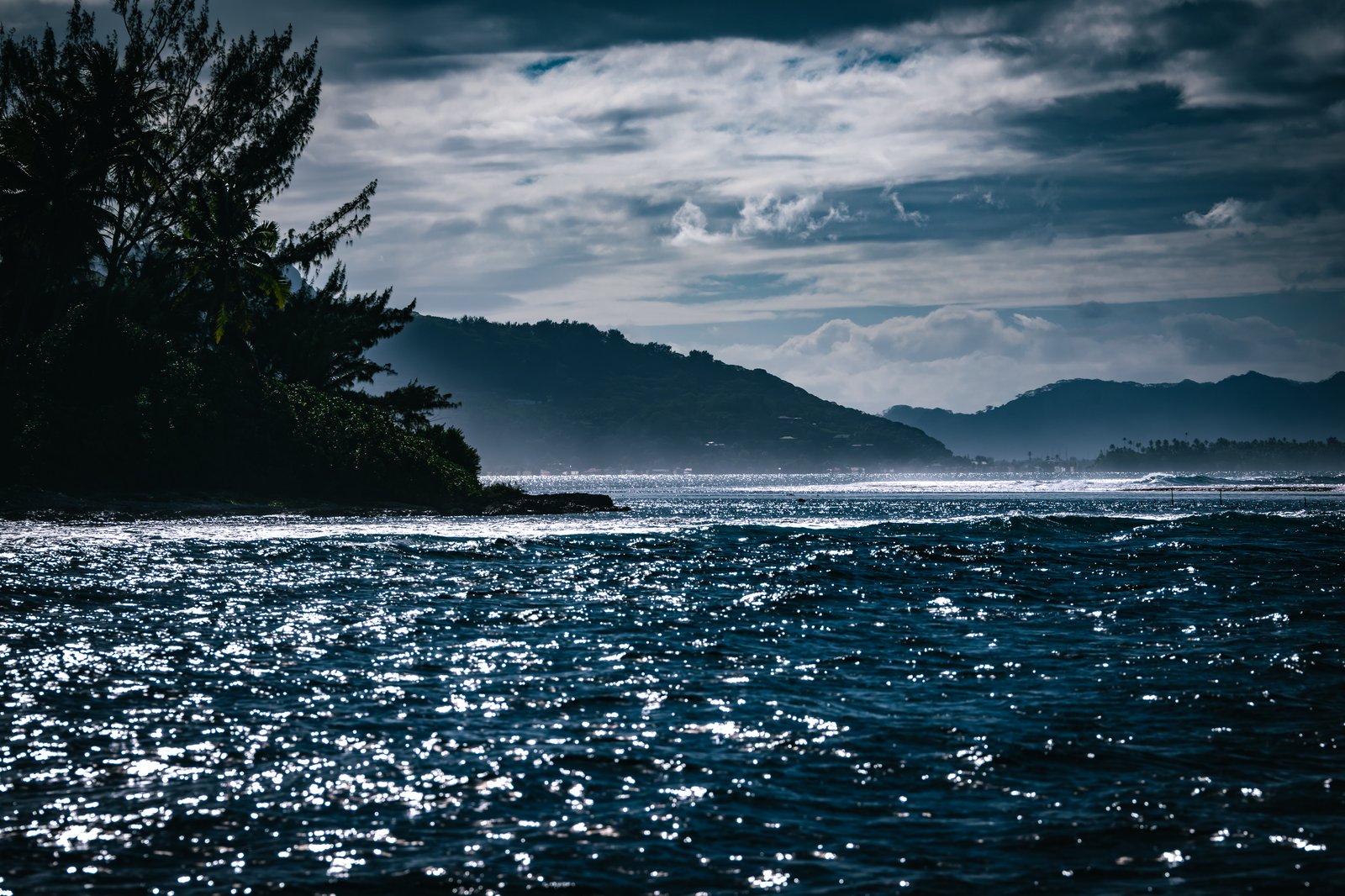
Near the end of the five hundred miles you come in through a wide pass with a world famous wave called Cloudbreak peeling off to one side, and the charm of Fiji starts to show itself before you have even dropped the sails. Then a few hours of chop and headwind, because nobody arrives anywhere without paying for it, and we were at Vuda Marina.
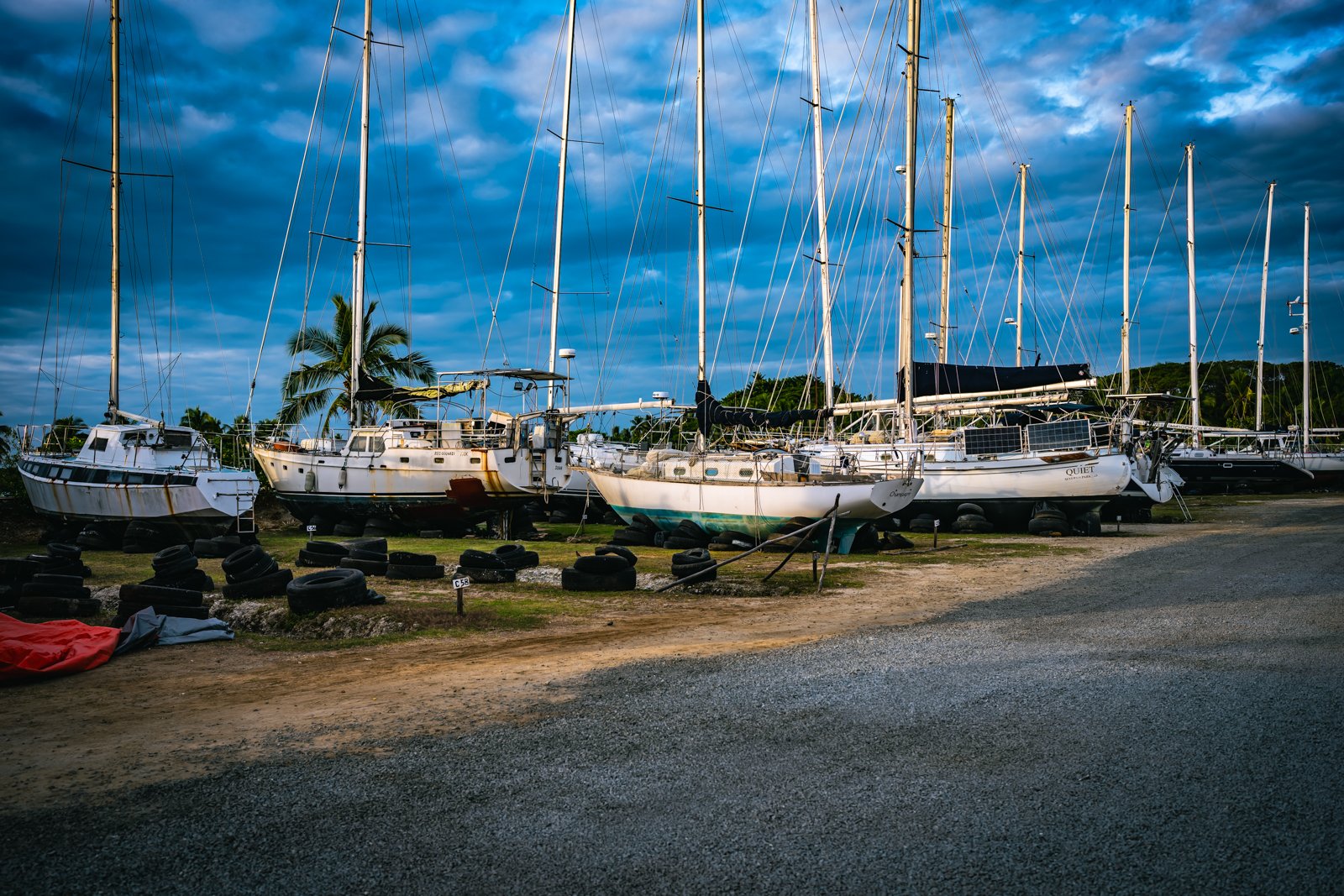
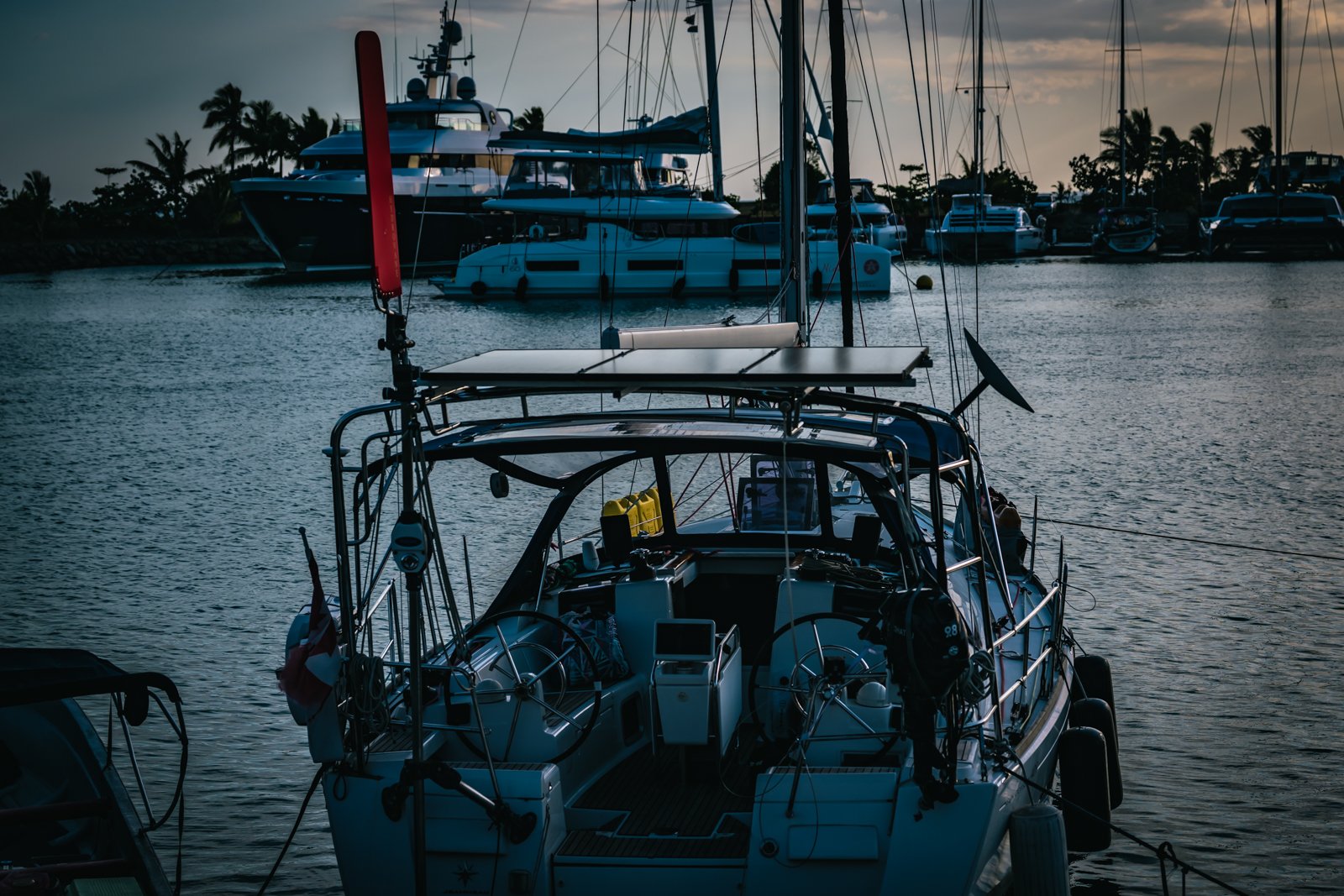
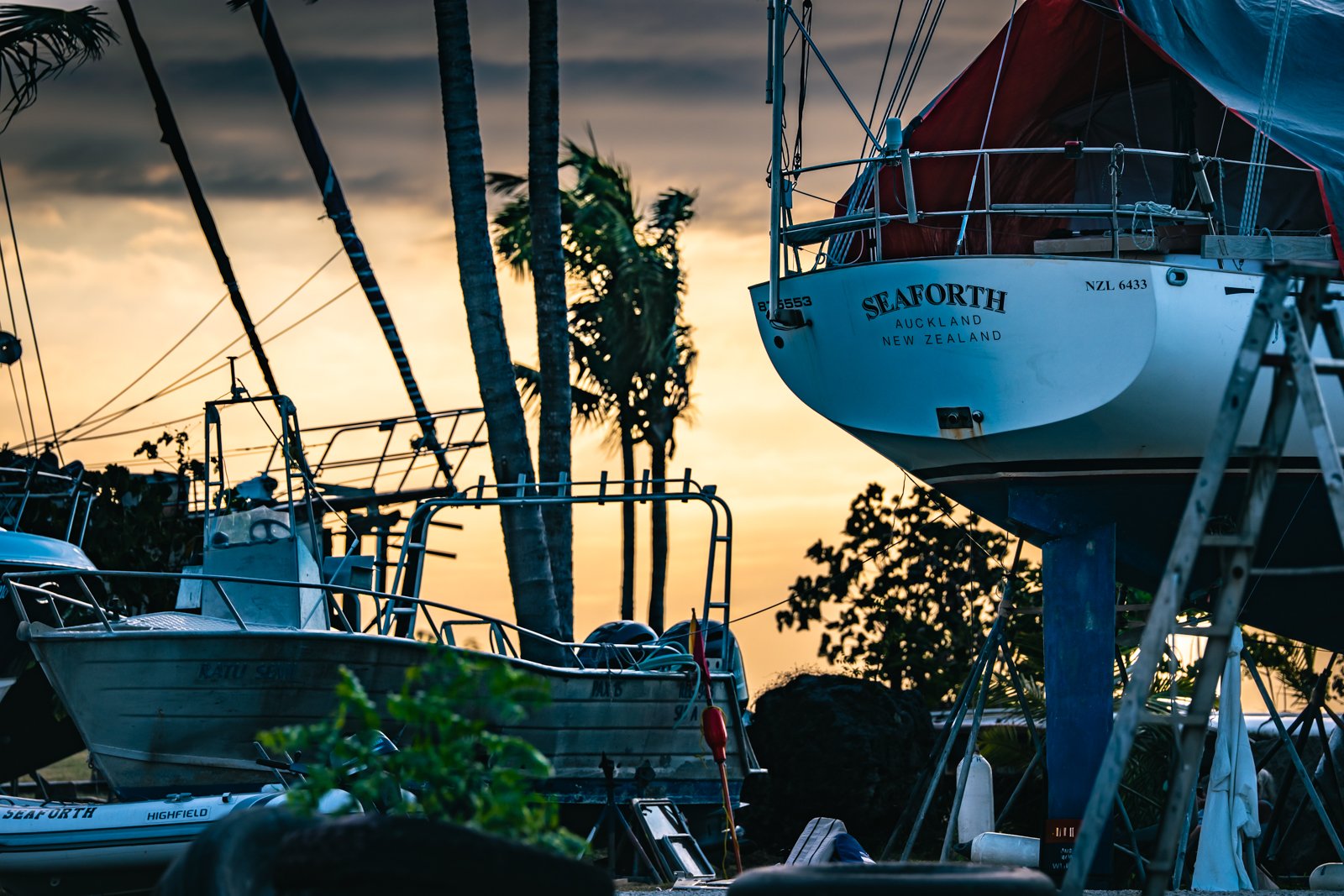
Left: the hard at Vuda, boats on tyres and stands under a Fijian sky. Right, top: evening in the circle, a superyacht keeping company with the cruisers. Right, bottom: propped on the grass, waiting on a season or an owner.
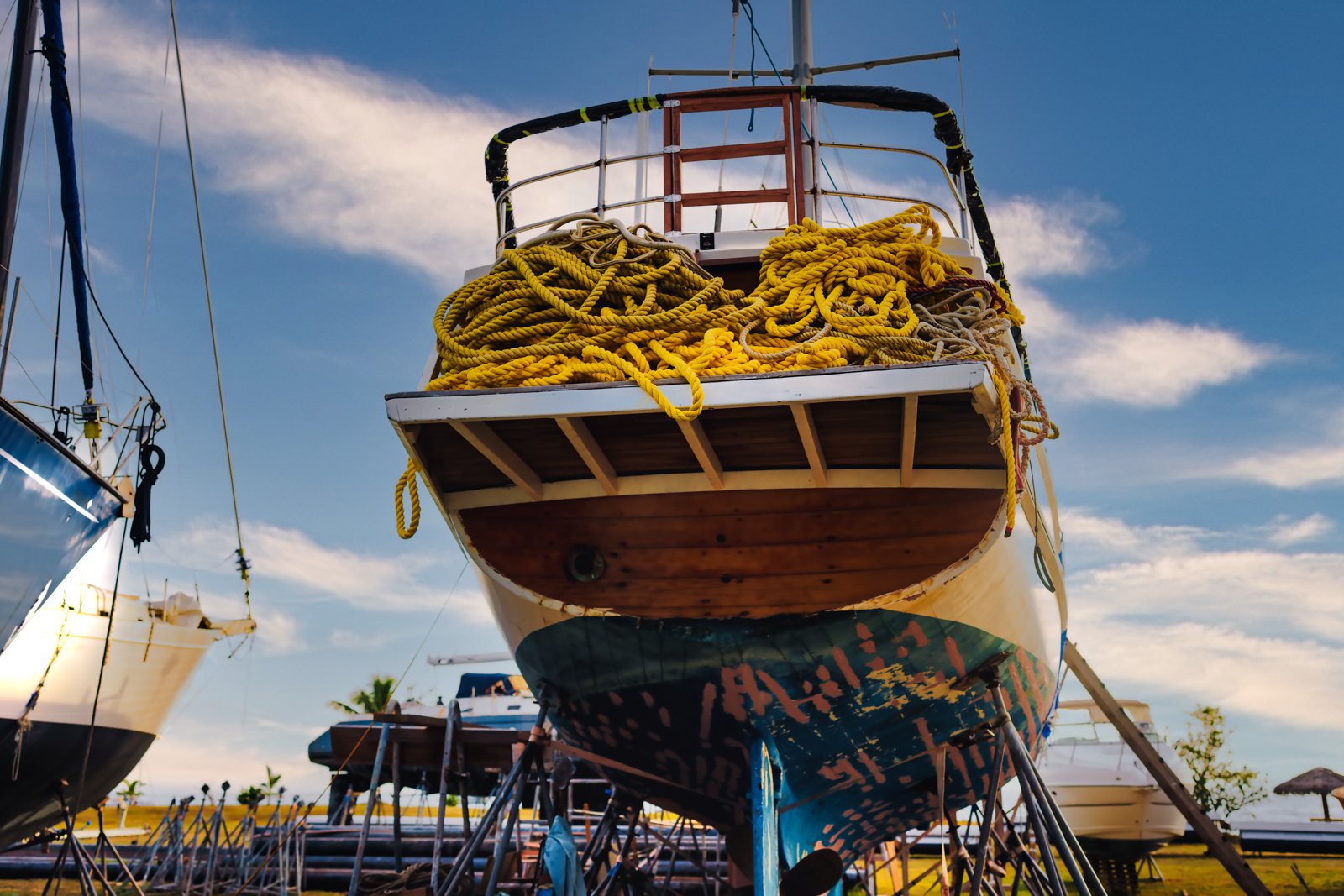
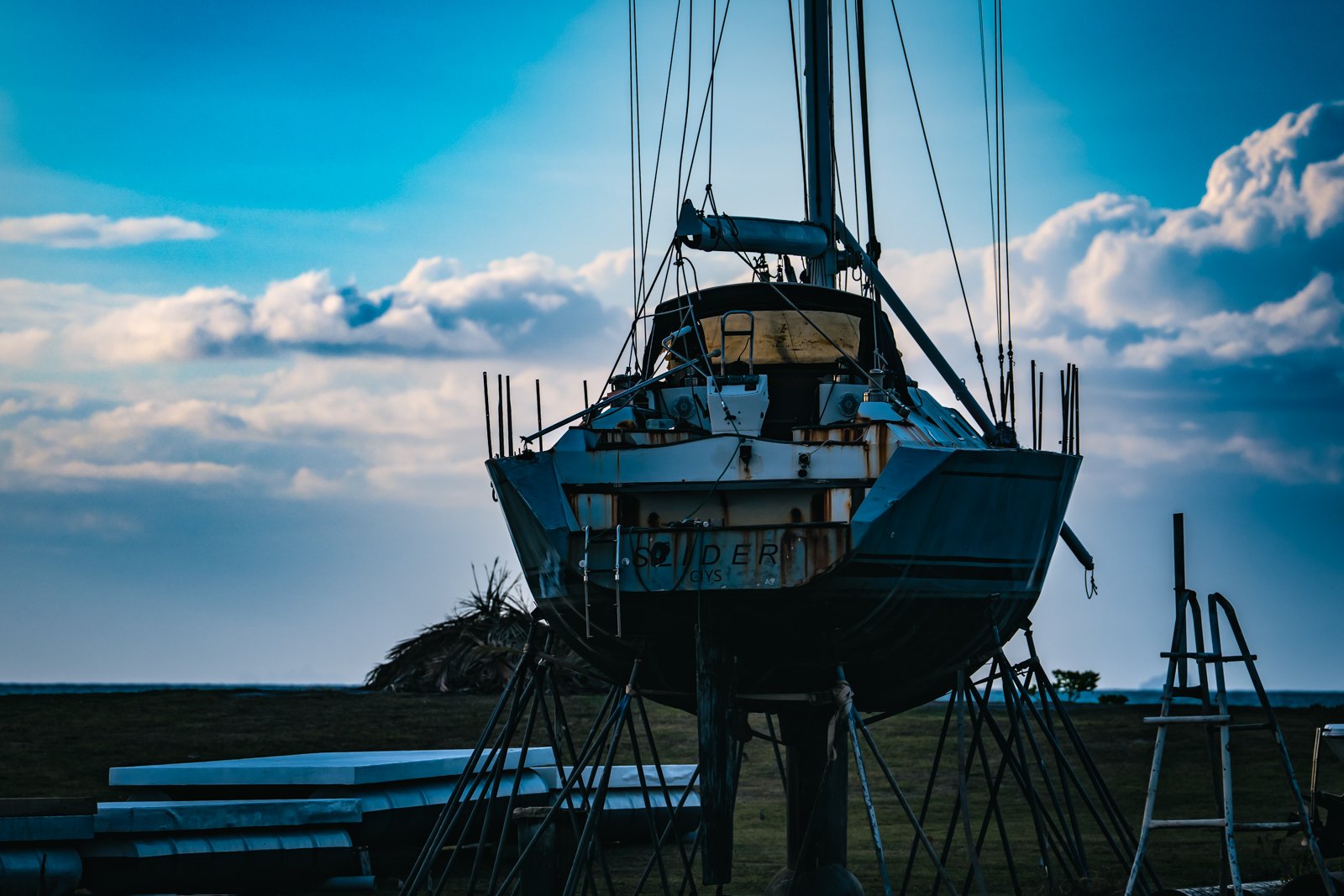
Vuda is a clever piece of design and a strange place to spend time. It is one of the few yards in the middle of the Pacific where you can haul a boat out, and it doubles as a cyclone hole, with the boats lined up in two big circles, bows in, like wagons expecting trouble. The land around the circles is covered with boats in every state of repair. Some are days from splashing. Some have been waiting for years. Some, I think, have simply been left, because Fiji can feel like an acceptable place to throw in the towel for the people who crossed an ocean and discovered that crossing oceans was not their thing. You can read a whole voyage in a transom. Quiet. Hooligan, out of Honolulu. Silver Ruffian. Full Circle. Slider, with the rust running down her like tears. The names had all meant something once.
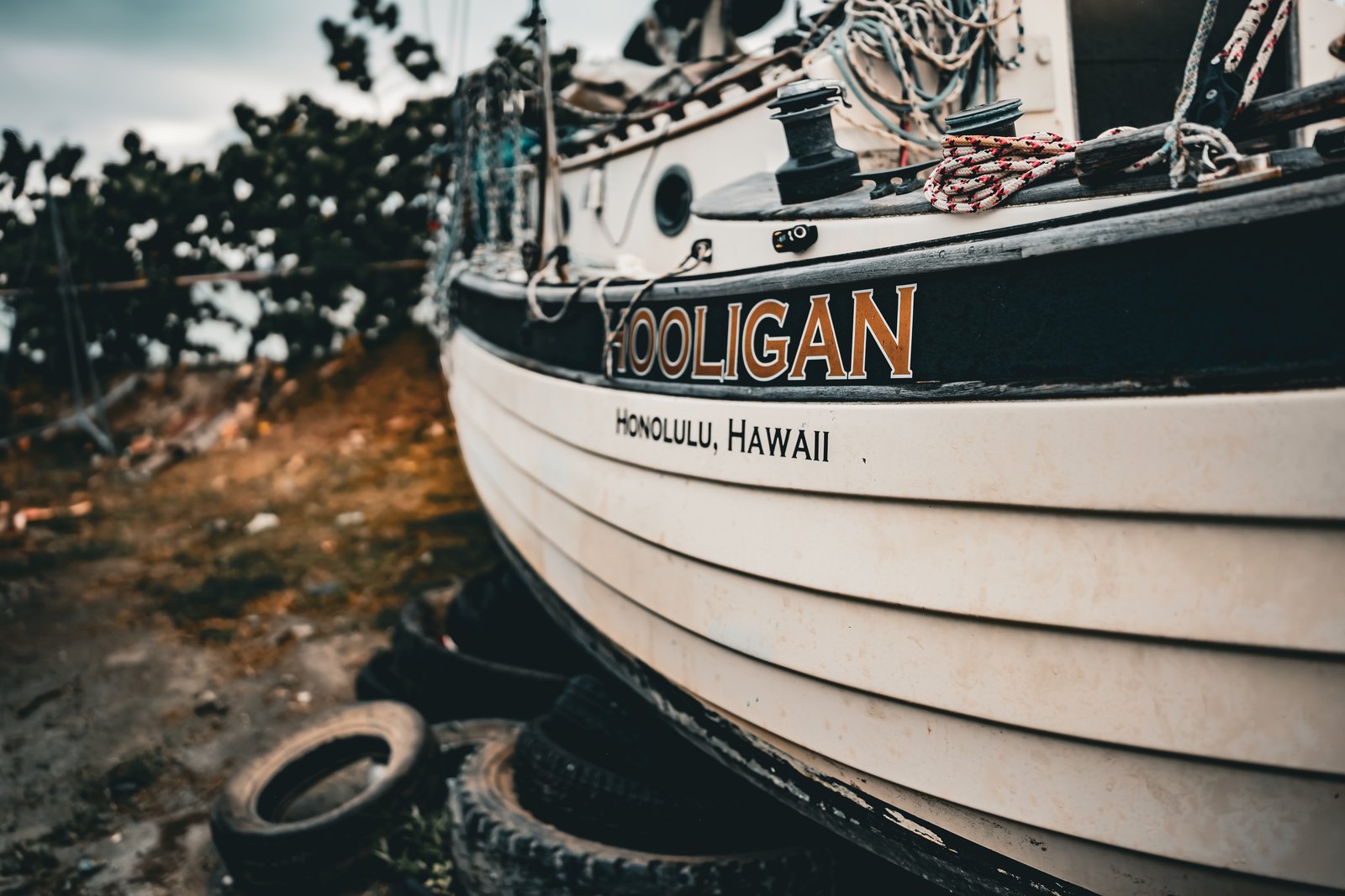
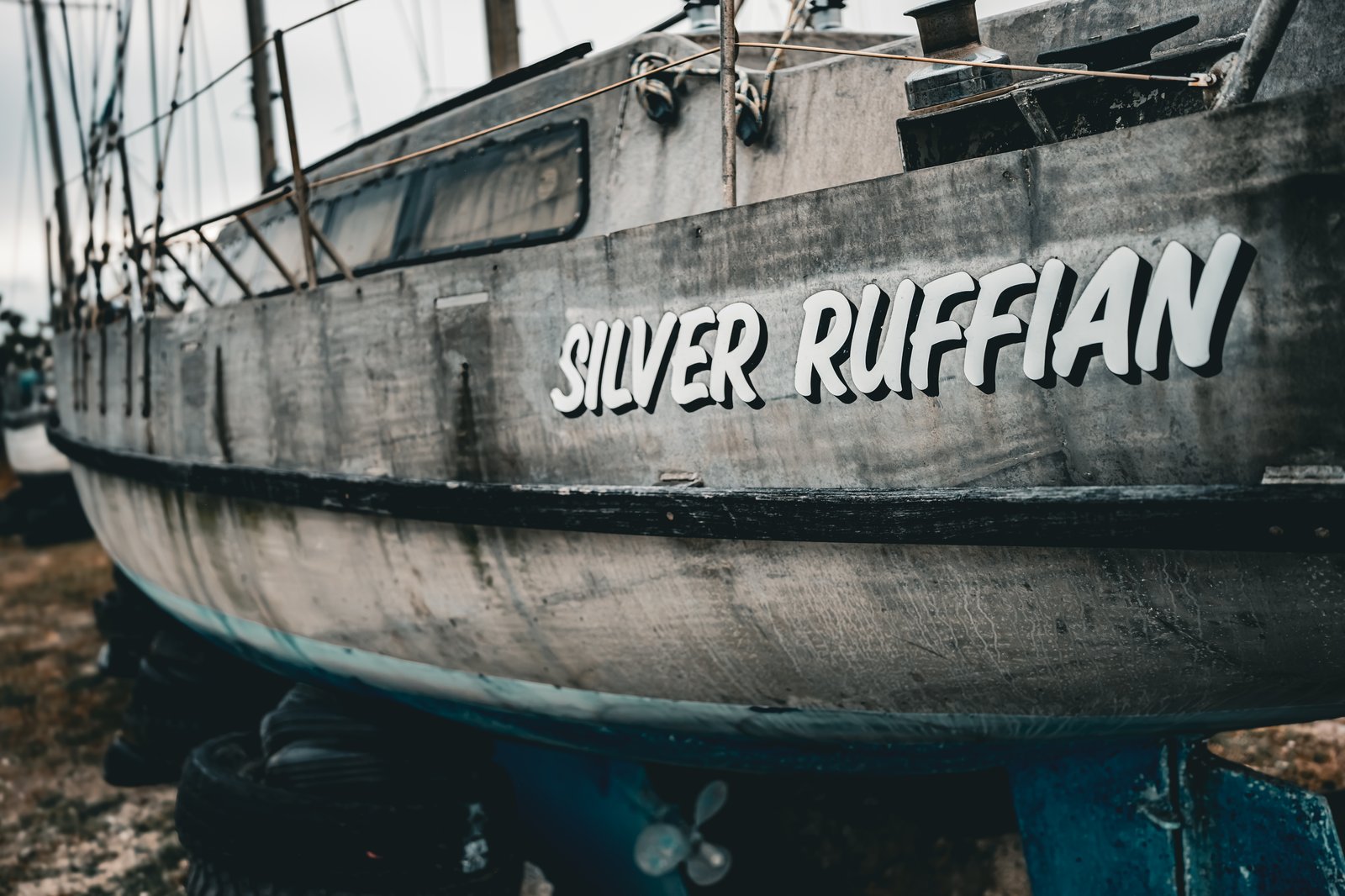
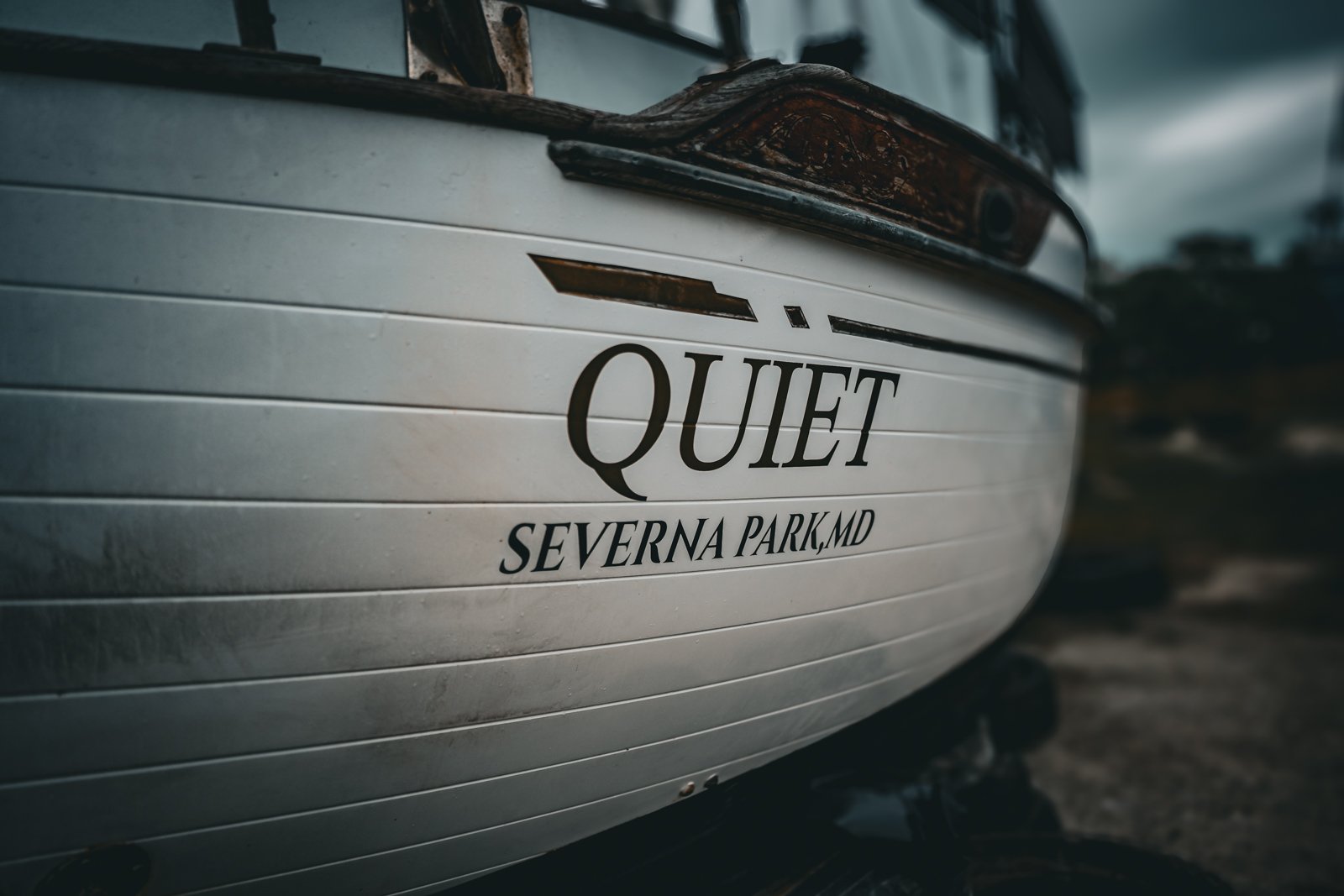
Left: HOOLIGAN, out of Honolulu, on a bed of old tyres. Right, top: SILVER RUFFIAN, the paint going the way of the name. Right, bottom: QUIET. A long way from home.
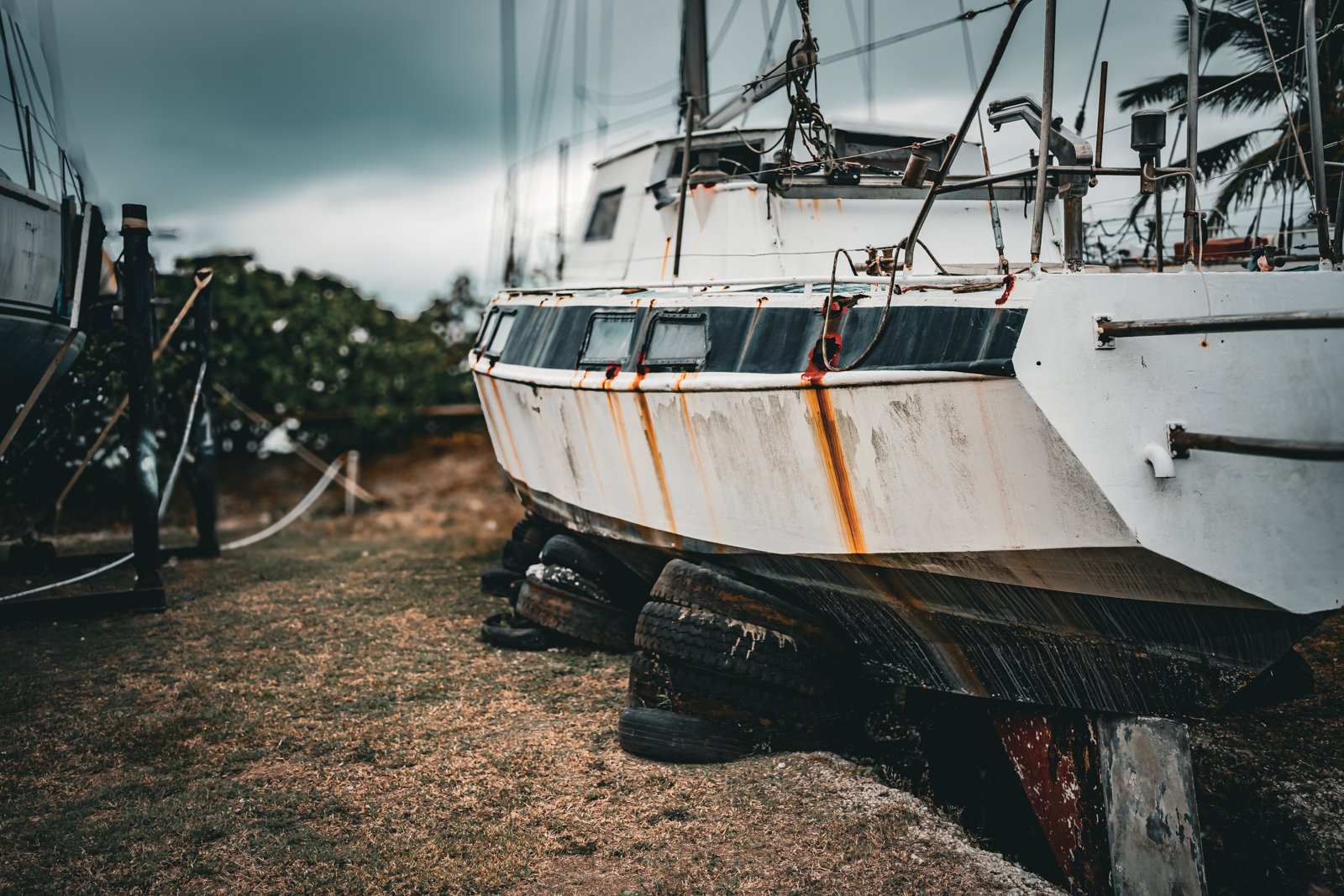
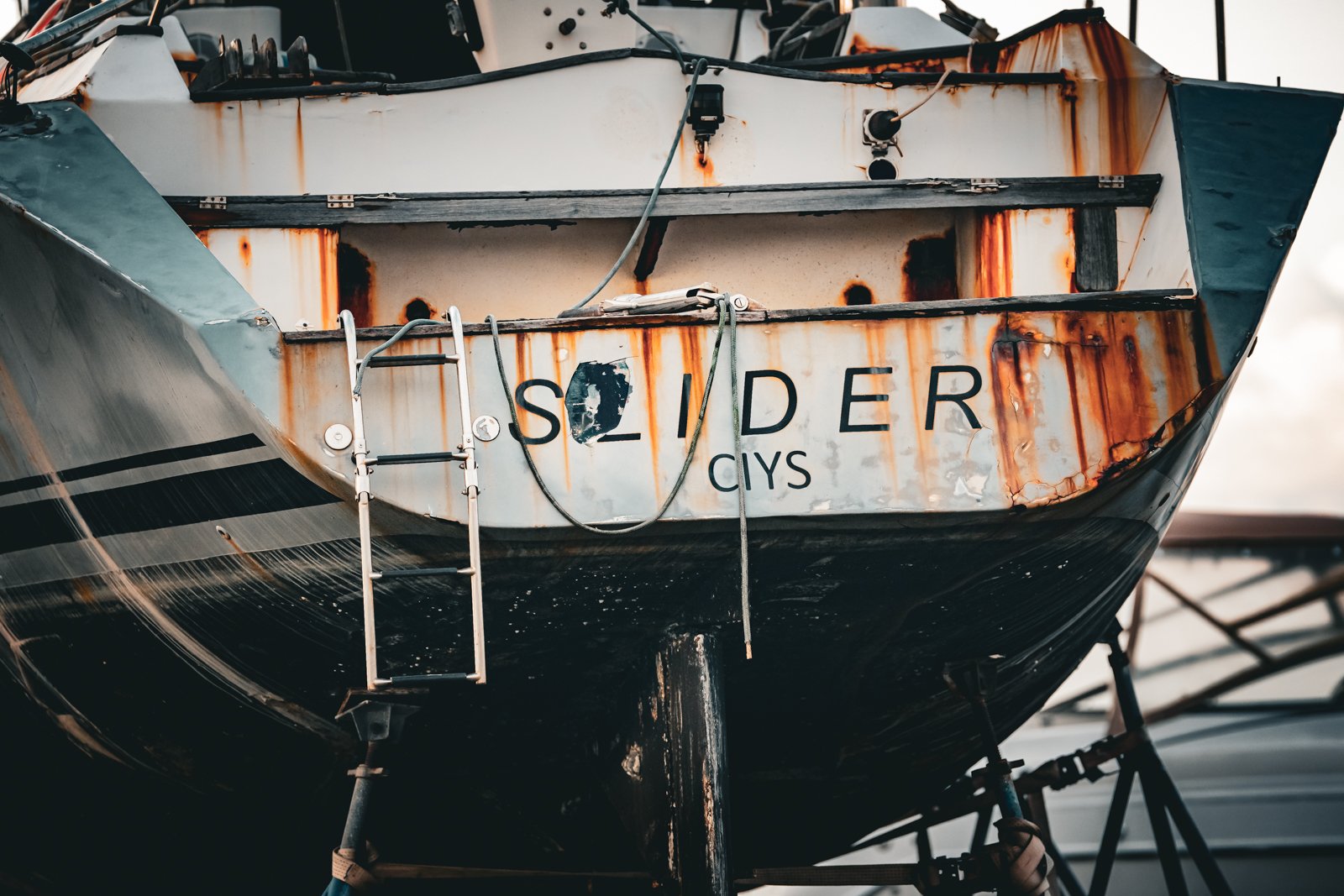
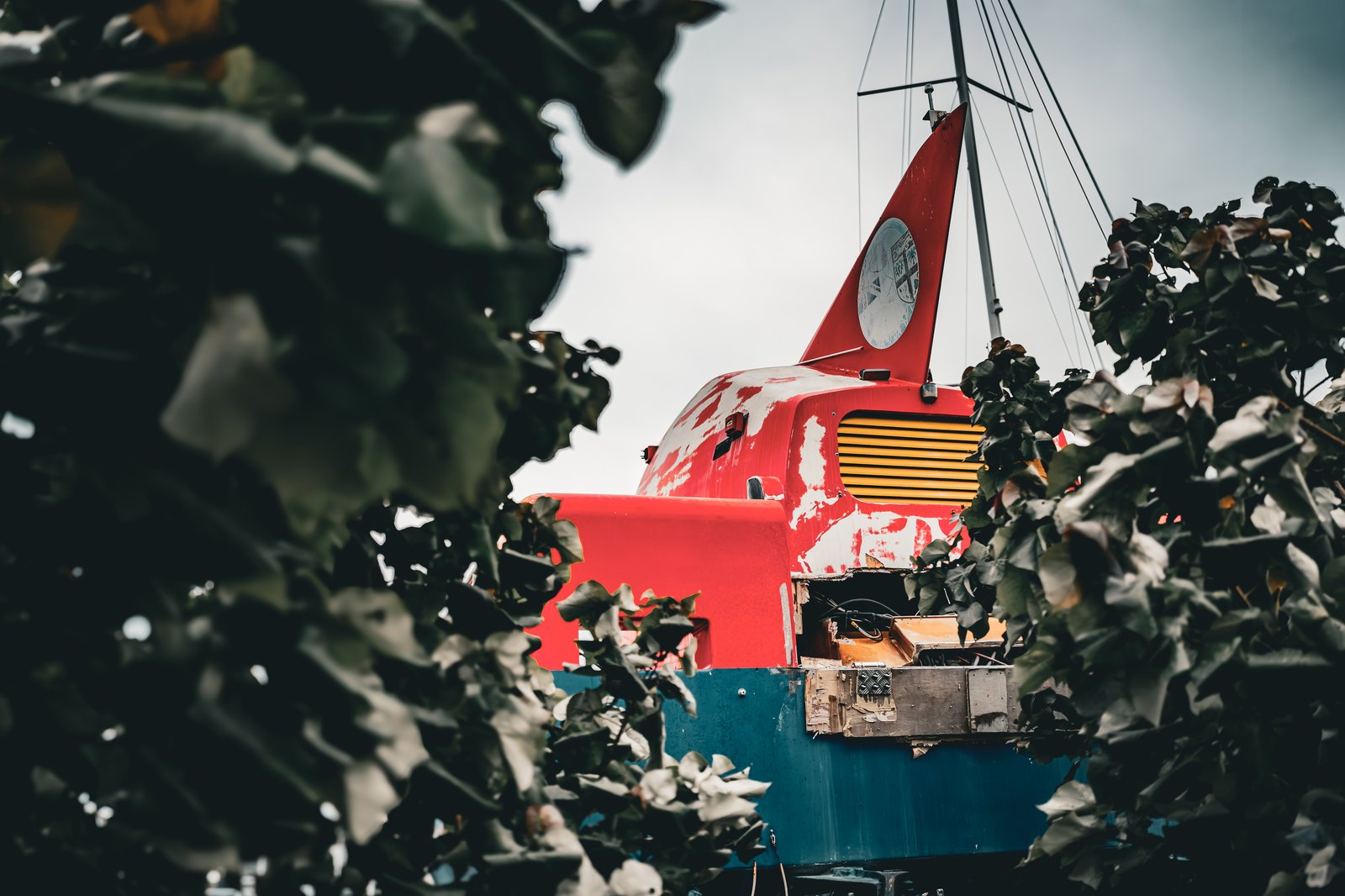
Left: rust streaks and old tyres. This one has been here a while. Right, top: SLIDER, the rust running down her like tears. Right, bottom: red hull, blue hull, and the bush slowly taking both.
Because of where it sits, I would guess that eight boats in ten that cross the Pacific have come through here and shared a beer and a story, and the combined history of the place is fantastic. It is also surrounded by Fijians, who are their own reason to come. The humour, the kindness and the generosity are not for show. I spent several days walking the hard with a camera, talking to captains who were covered head to toe in protective gear and a fine dust of something toxic, and every one of them had time to talk.
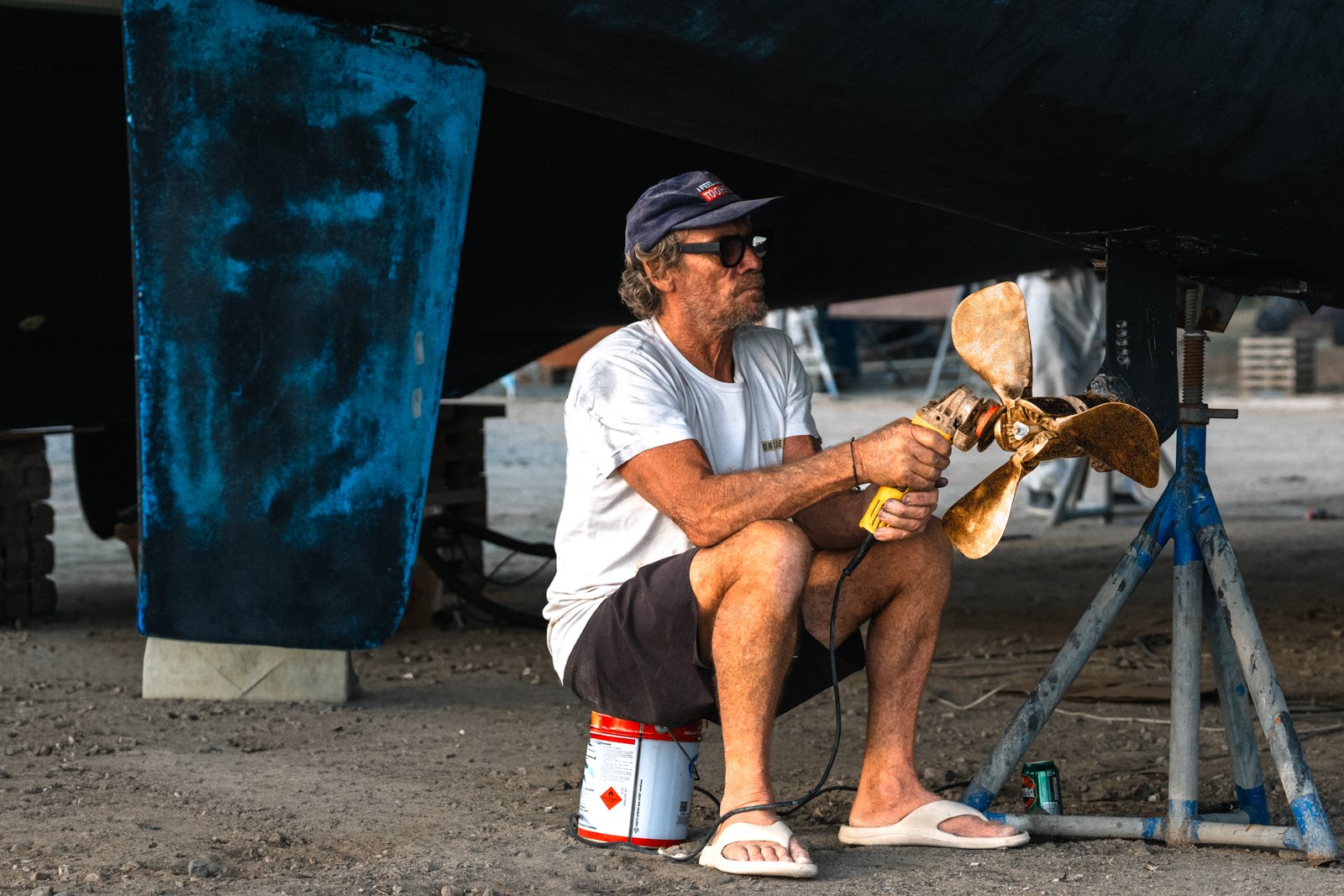
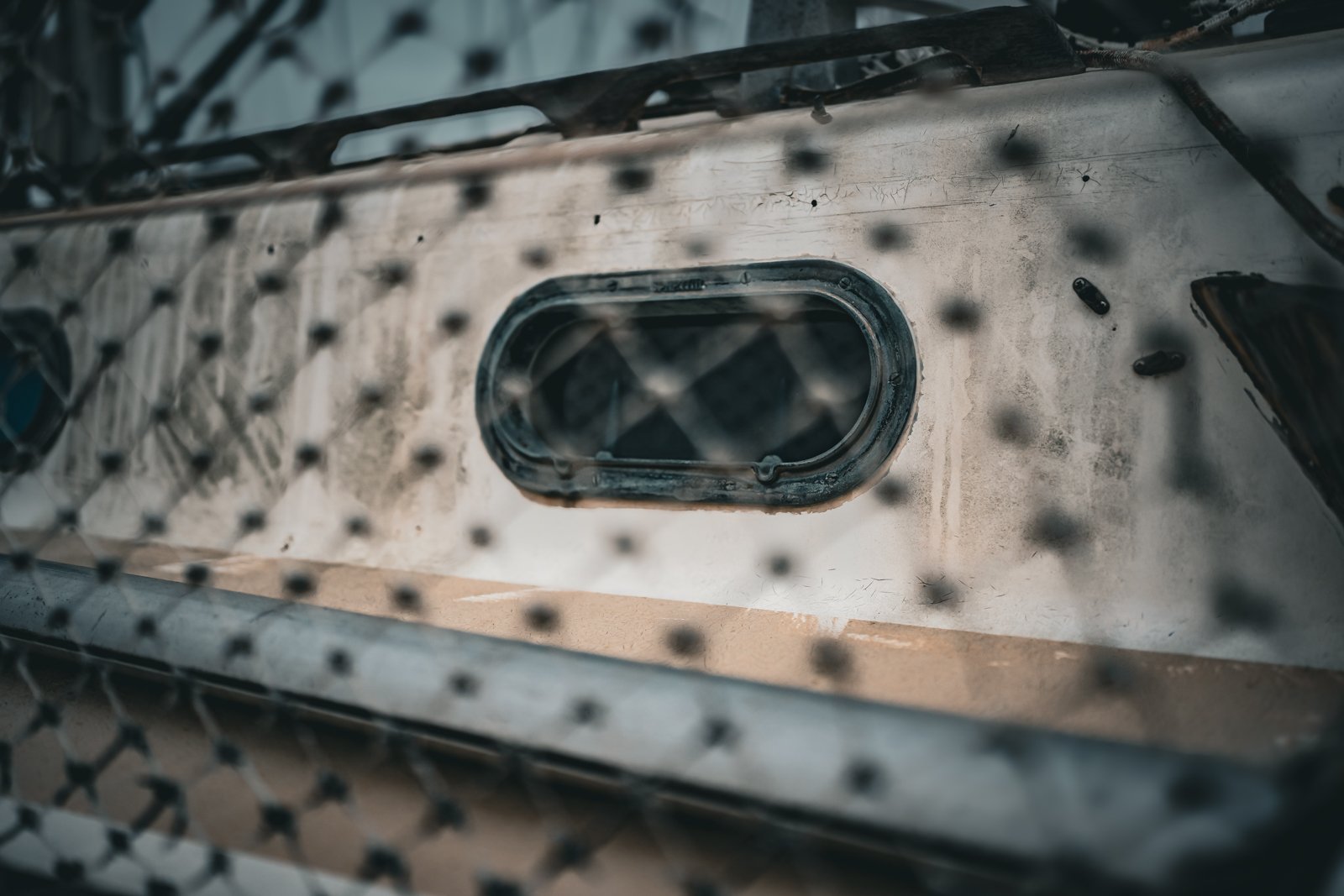
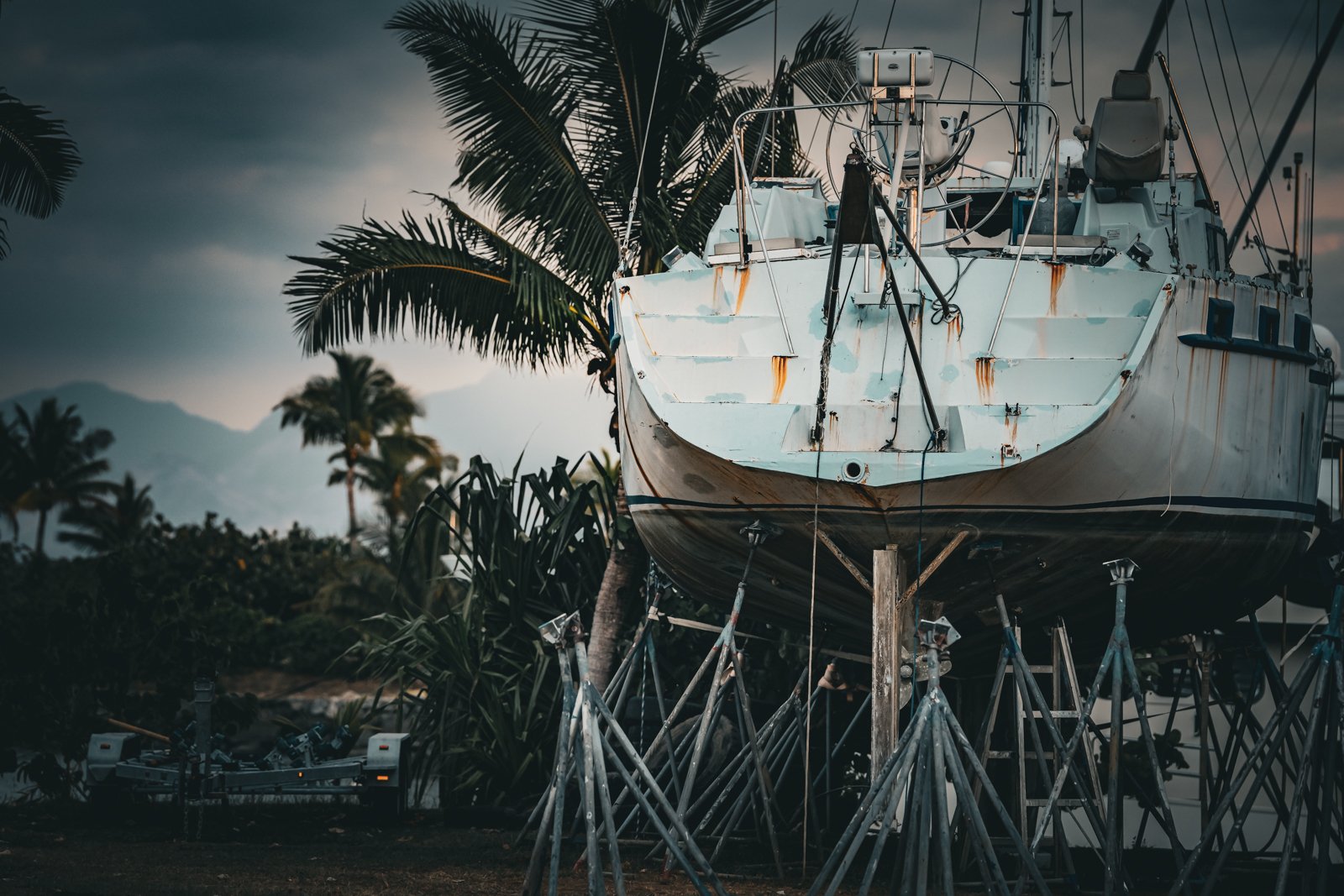
Left: propeller off. Every job on the hard starts with a bucket. Right, top: a portlight through the fence, one of the ones that stayed. Right, bottom: a hull among the palms, her stands rusting into the ground.
Cloud Nine has her own list. Twelve thousand miles will do that, and the list has a way of growing faster than I can cross things off it. The highest priorities are the ones that will get her ready for New Zealand, which can be a difficult passage and one that occupies my brain most evenings as I narrow down the path I want to take. Each day I work on her looking for that golden moment when a line gets a stroke through it. Some days the moment comes. Most days the list simply changes shape.
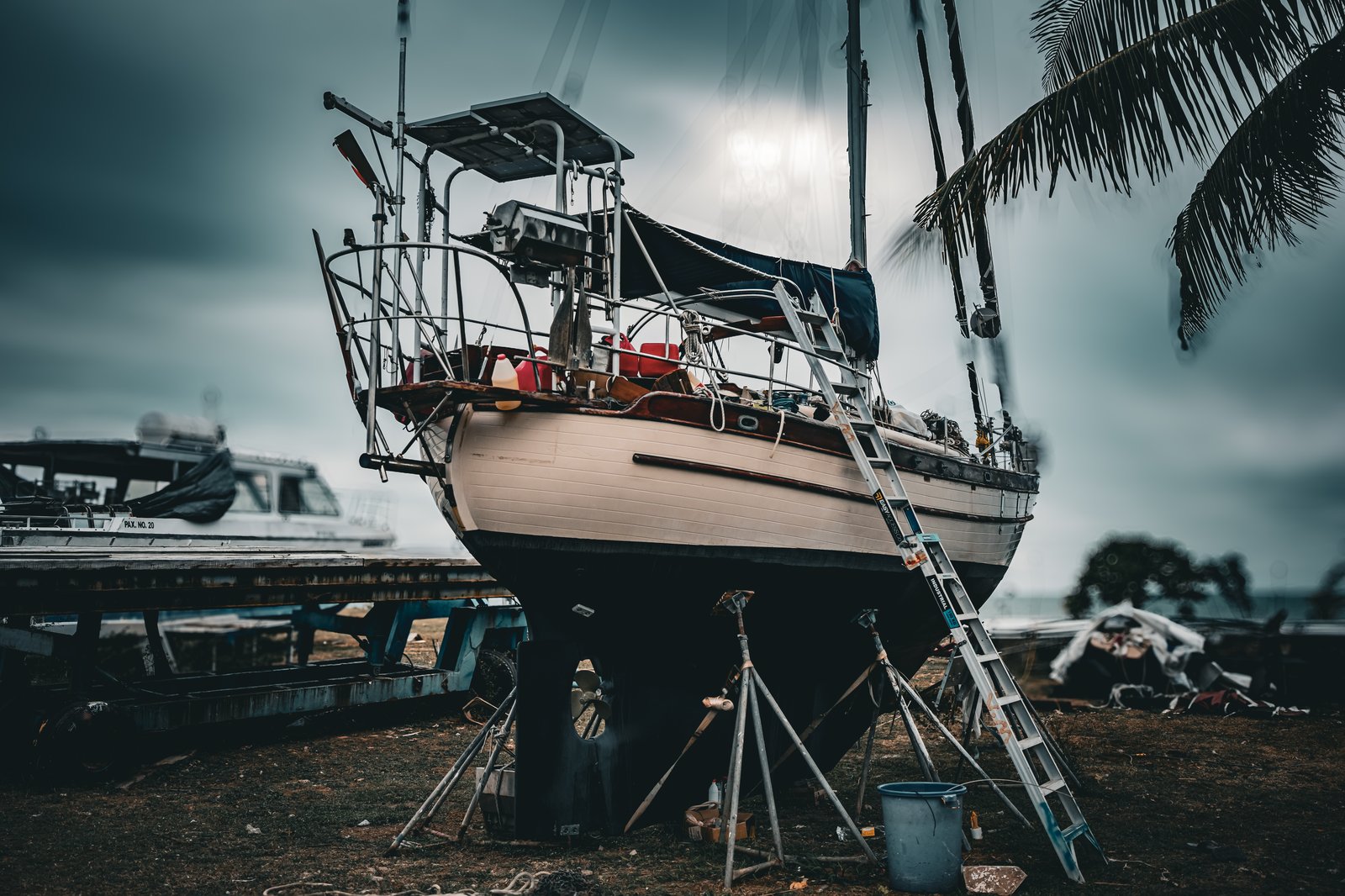
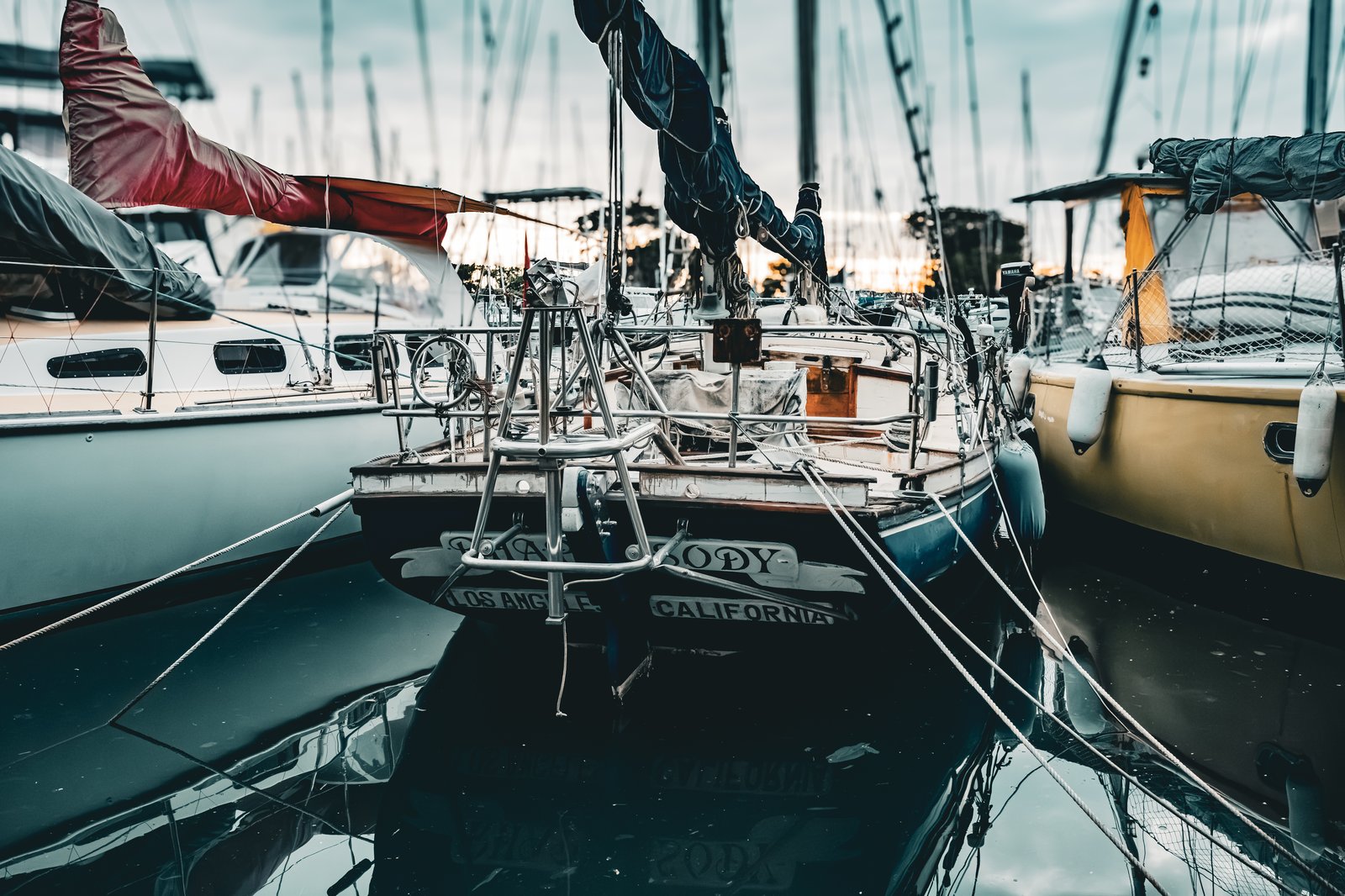
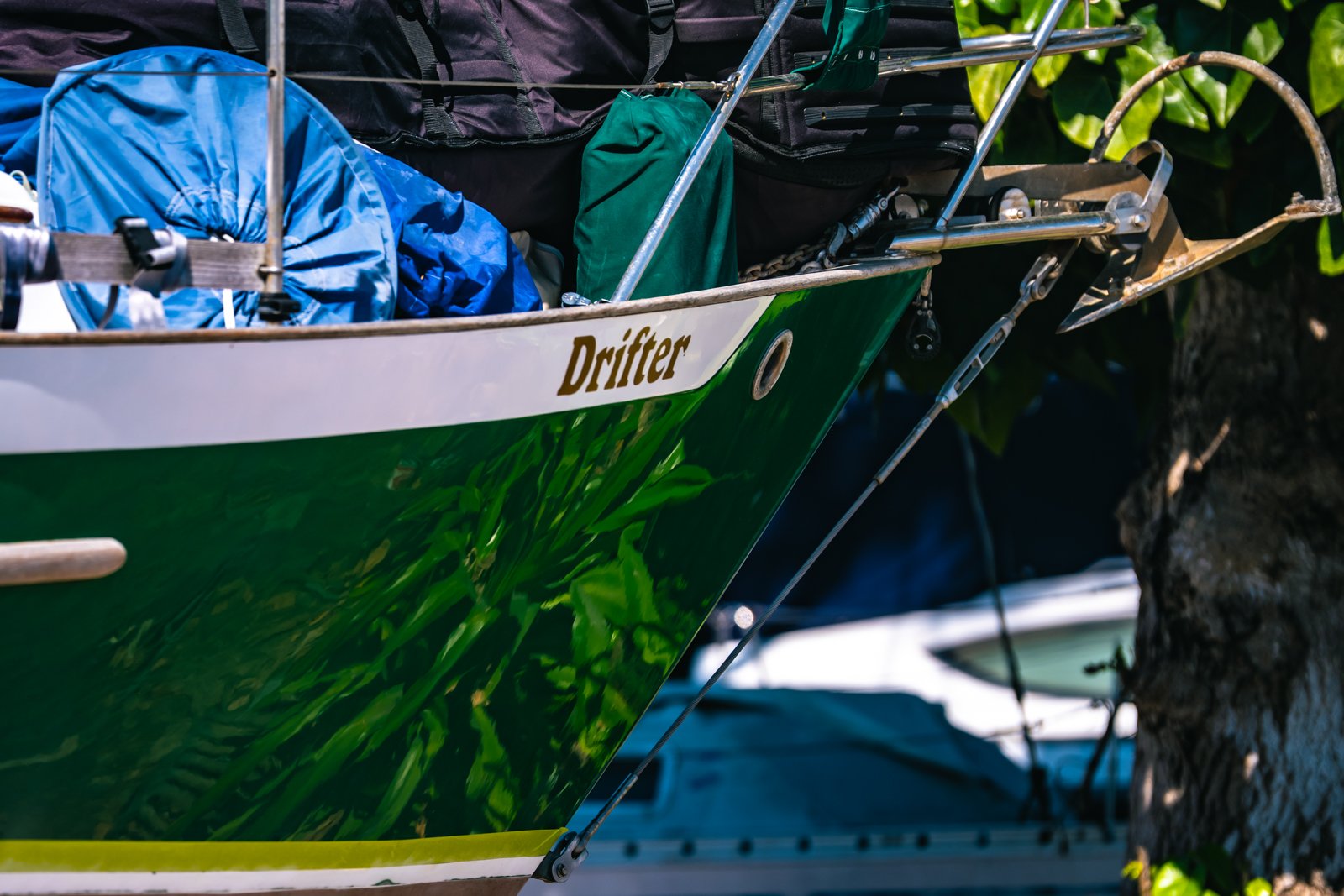
Left: up on stands with a ladder against her rail. This one is going back in. Right, top: rafted up in the circle, transoms from Los Angeles to everywhere. Right, bottom: DRIFTER, green and ready to go again.
The evenings belong to the Boat Shed, where the burgees of every boat that ever passed through hang from the thatch and a myna bird works the bar rail like he owns it. Somebody is always leaving in the morning. I will be in Fiji for forty five days, give or take, and the idea is to keep it simple, fill the days with boat prep and short sails with friends, and get down to Musket Cove for the regatta, which is less a regatta than an excuse to gather a lot of cruisers in one anchorage at the same time. So it is time to refill the boat. The hard is full of dreams in the dirt, and I intend to keep mine in the water.
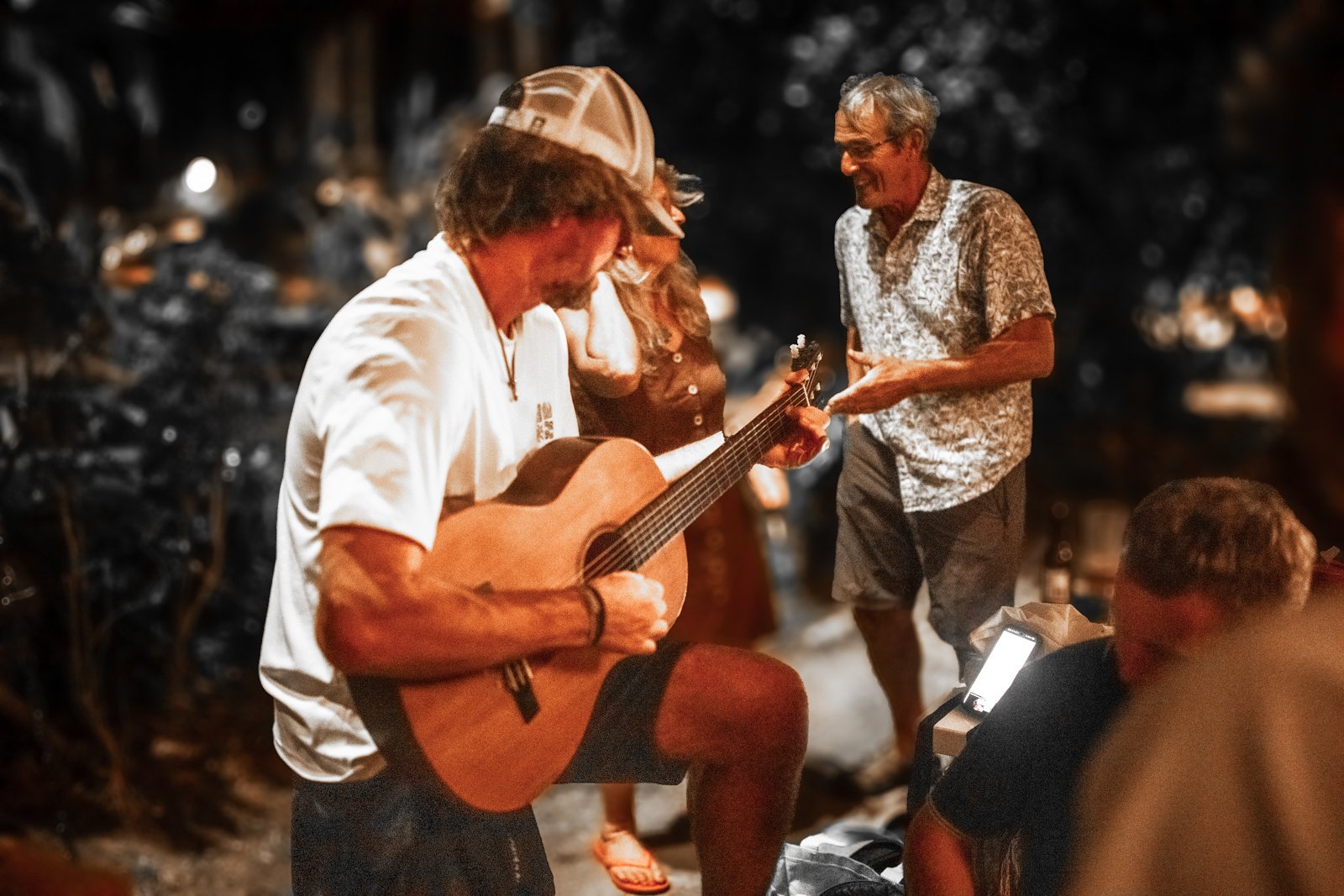
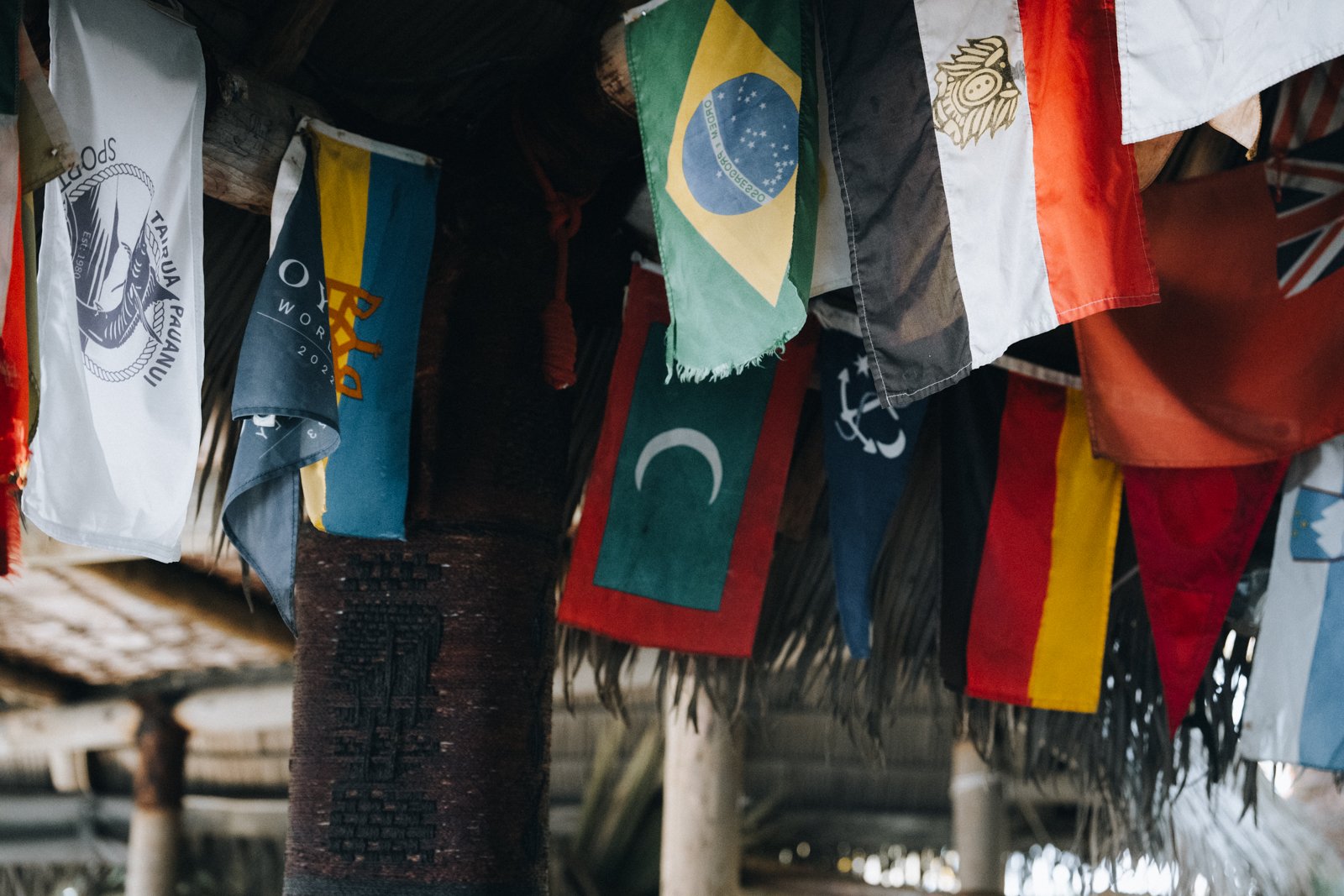
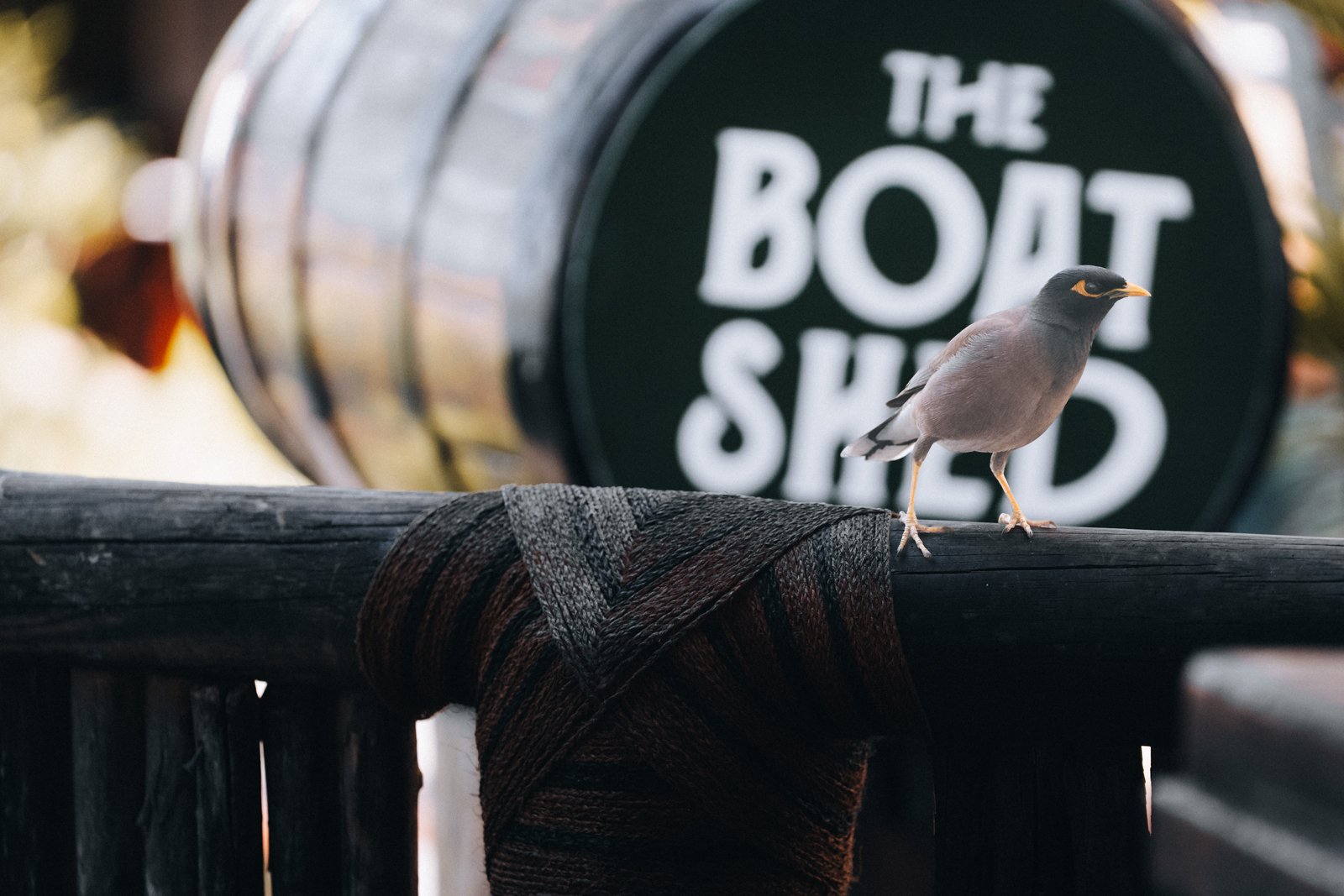
Left: boat Shed evening, the stories getting told and retold. Right, top: burgees from every boat that ever passed through, hung from the thatch. Right, bottom: the Boat Shed's resident myna, working the rail.
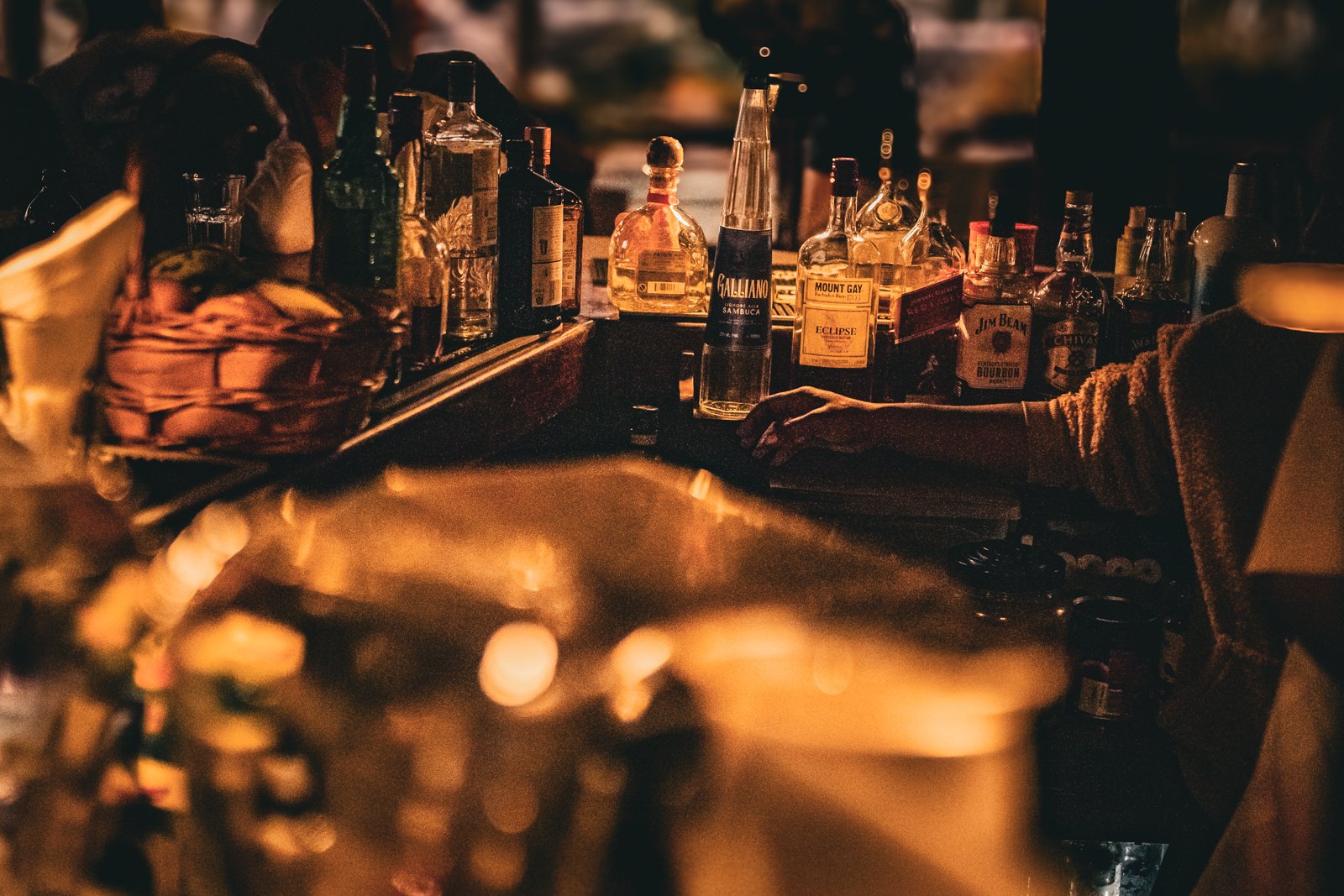

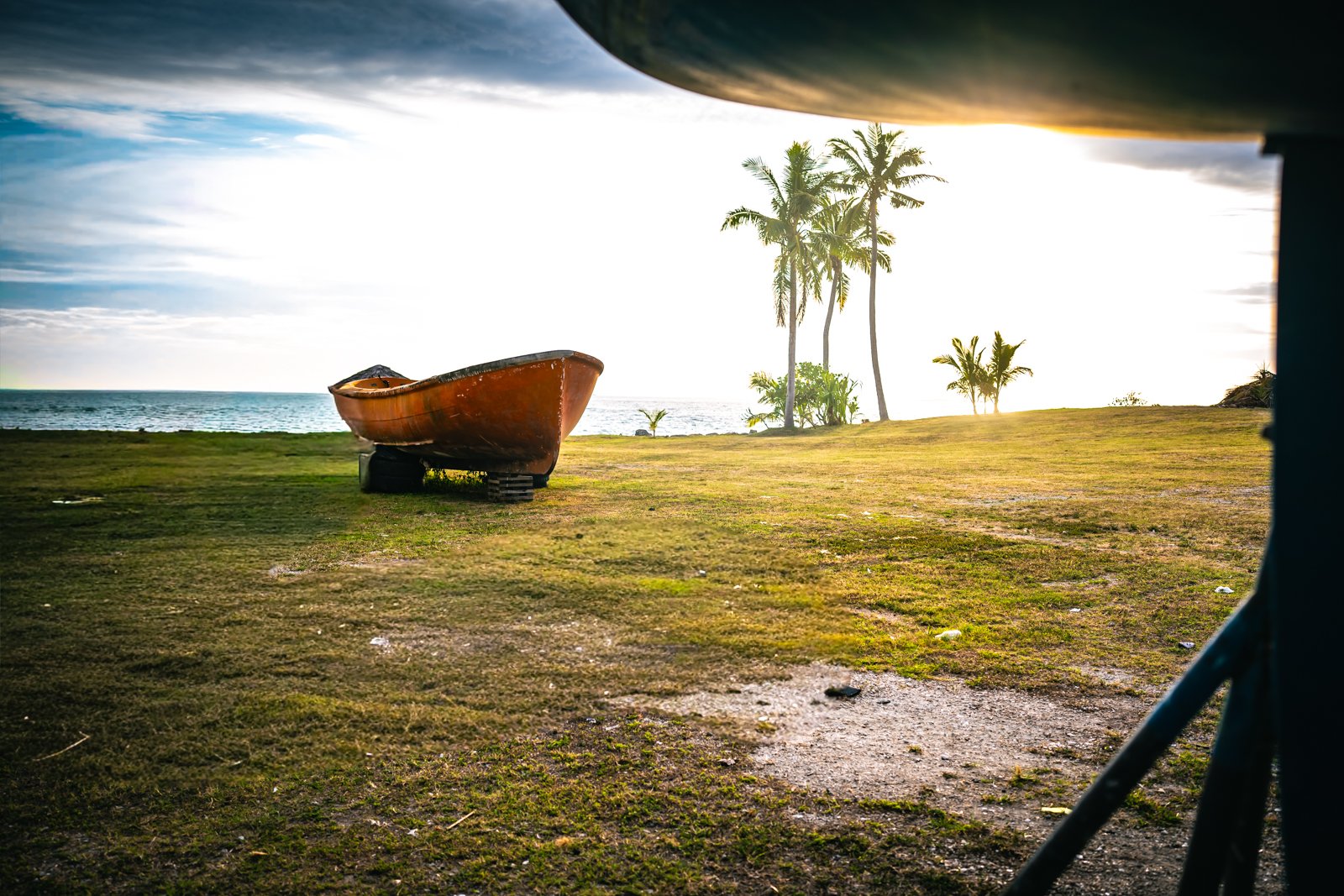
Left: the bar, where the yard's history gets told in rounds. Right, top: number eighteen. Somebody is always leaving in the morning. Right, bottom: a skiff on the lawn at last light.
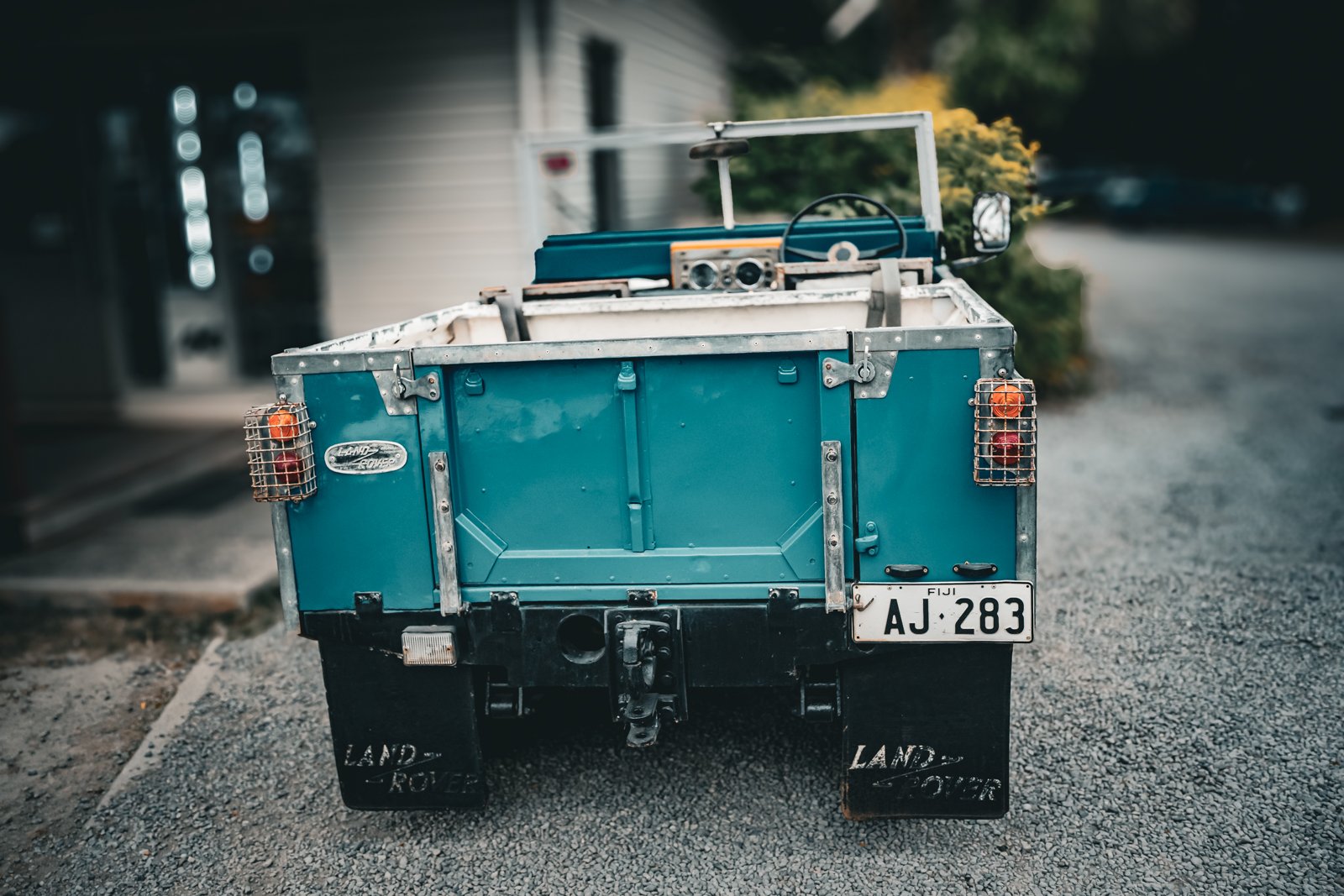
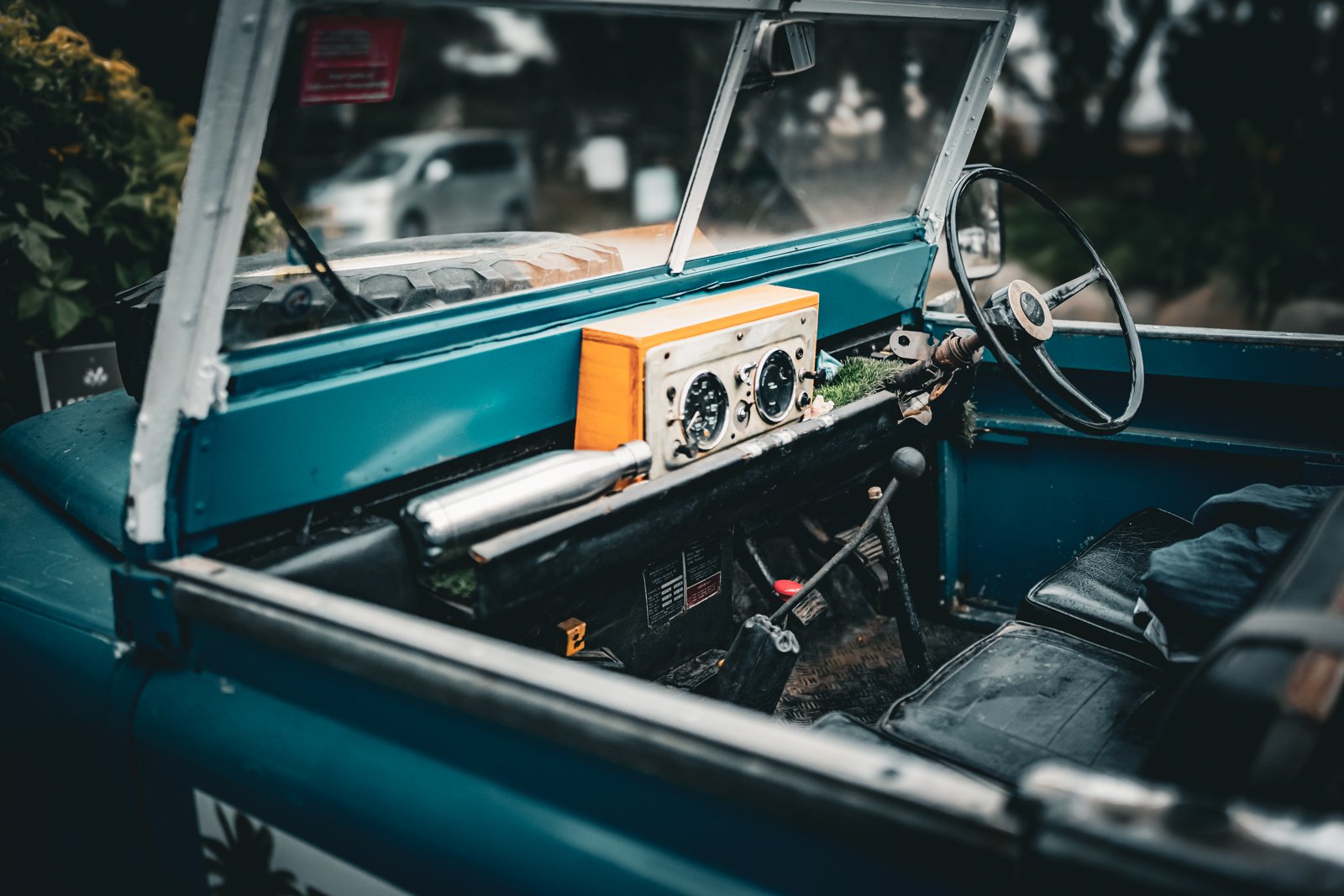
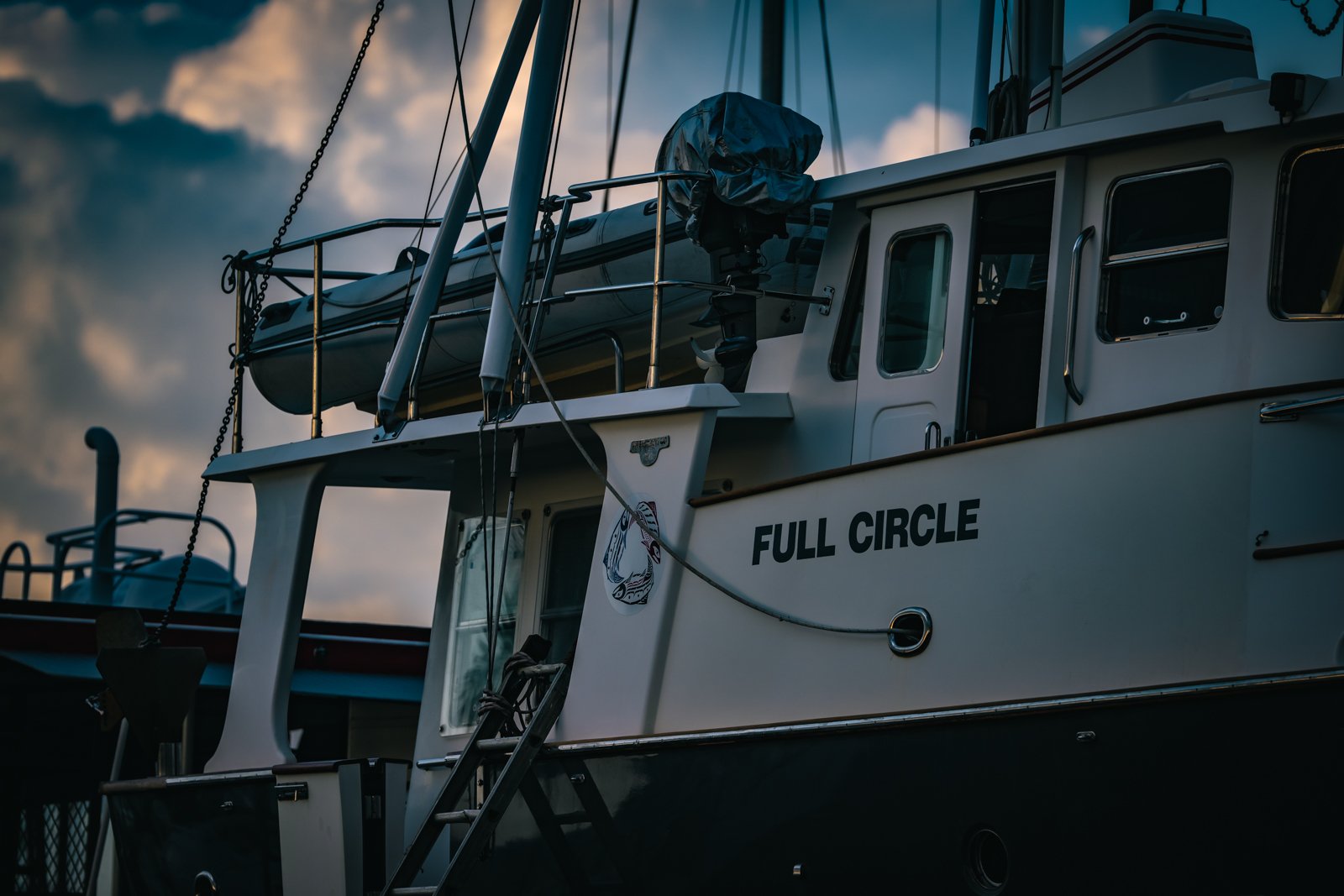
Left: AJ 283, the marina Land Rover, older than most of the boats and running better. Right, top: the office, teal and analogue. Right, bottom: fULL CIRCLE. Somebody got the name right.