We cleared out of Huahine on a quiet afternoon and made the short hop across to Raiatea, and that night, with the paperwork done and the boat loaded deep, I took my last sleep in French Polynesia. I had played with the options and in the end I pointed us west, with Niue and Fiji in mind and nothing you could call a hard plan. It felt like enough of a plan at the time.
We left in about ten knots of wind and had a couple of days of easy sailing and great weather, the kind of miles that make you feel like you have this whole thing figured out. Then the seas started to build, quite steeply, and once again my instruments began to fail, and I lost any proper reading of wind speed and direction. By now that was not surprising and not something to lose sleep over. But a new element had entered the program: the autopilot would quietly stop working, and I would reset it and carry on, and it would happen again. I did not know it yet, but that was foreshadowing.
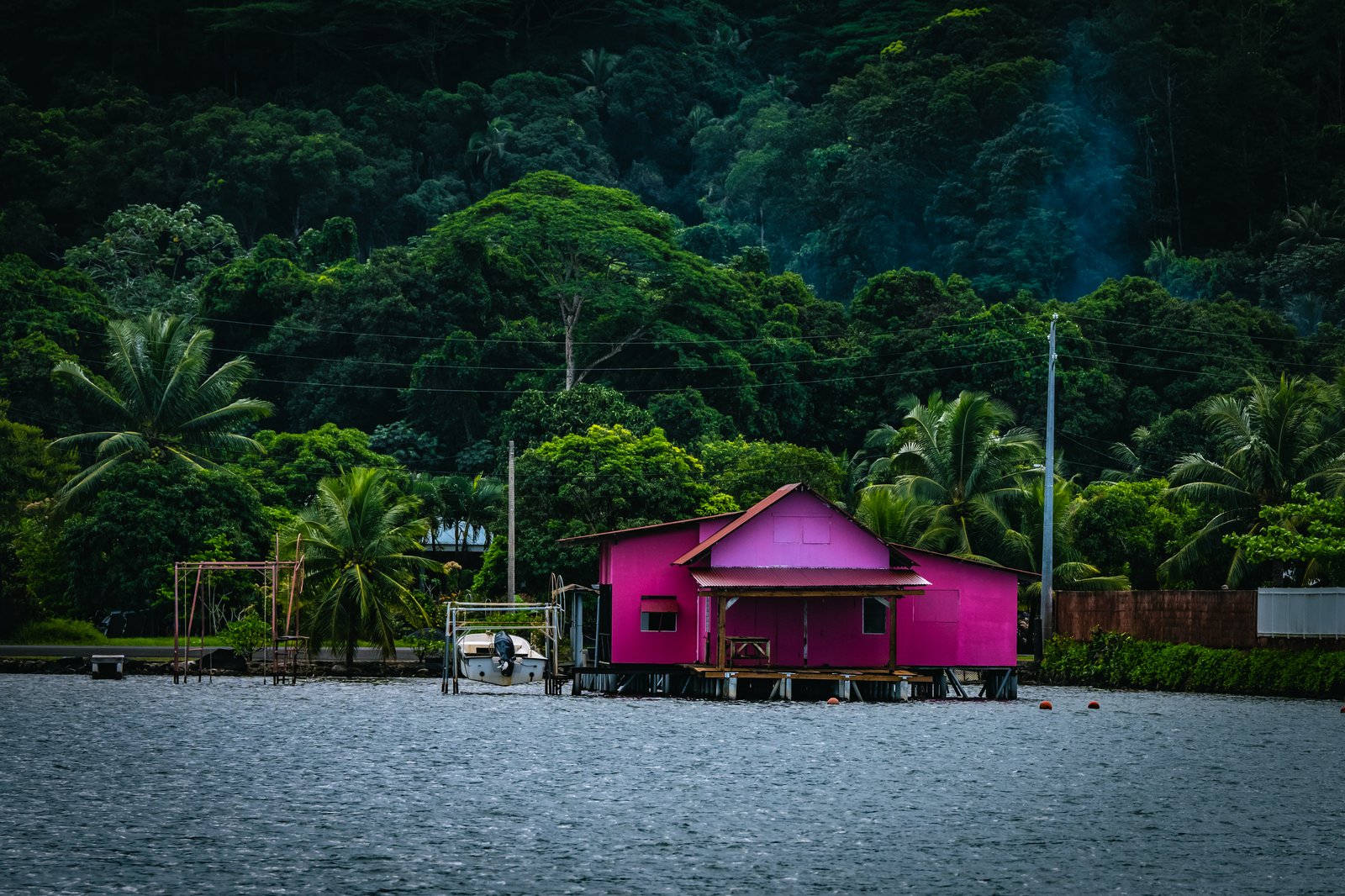
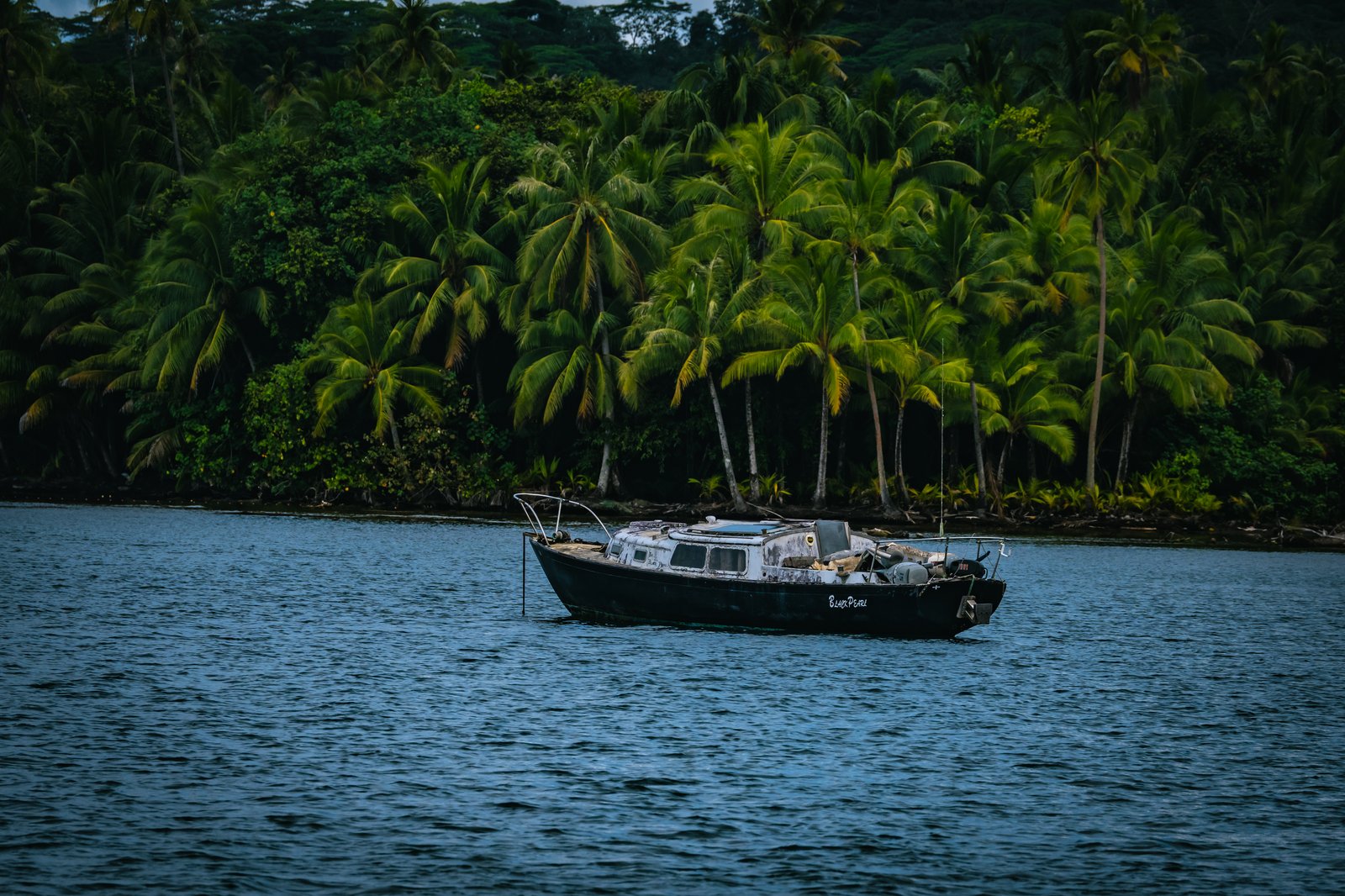
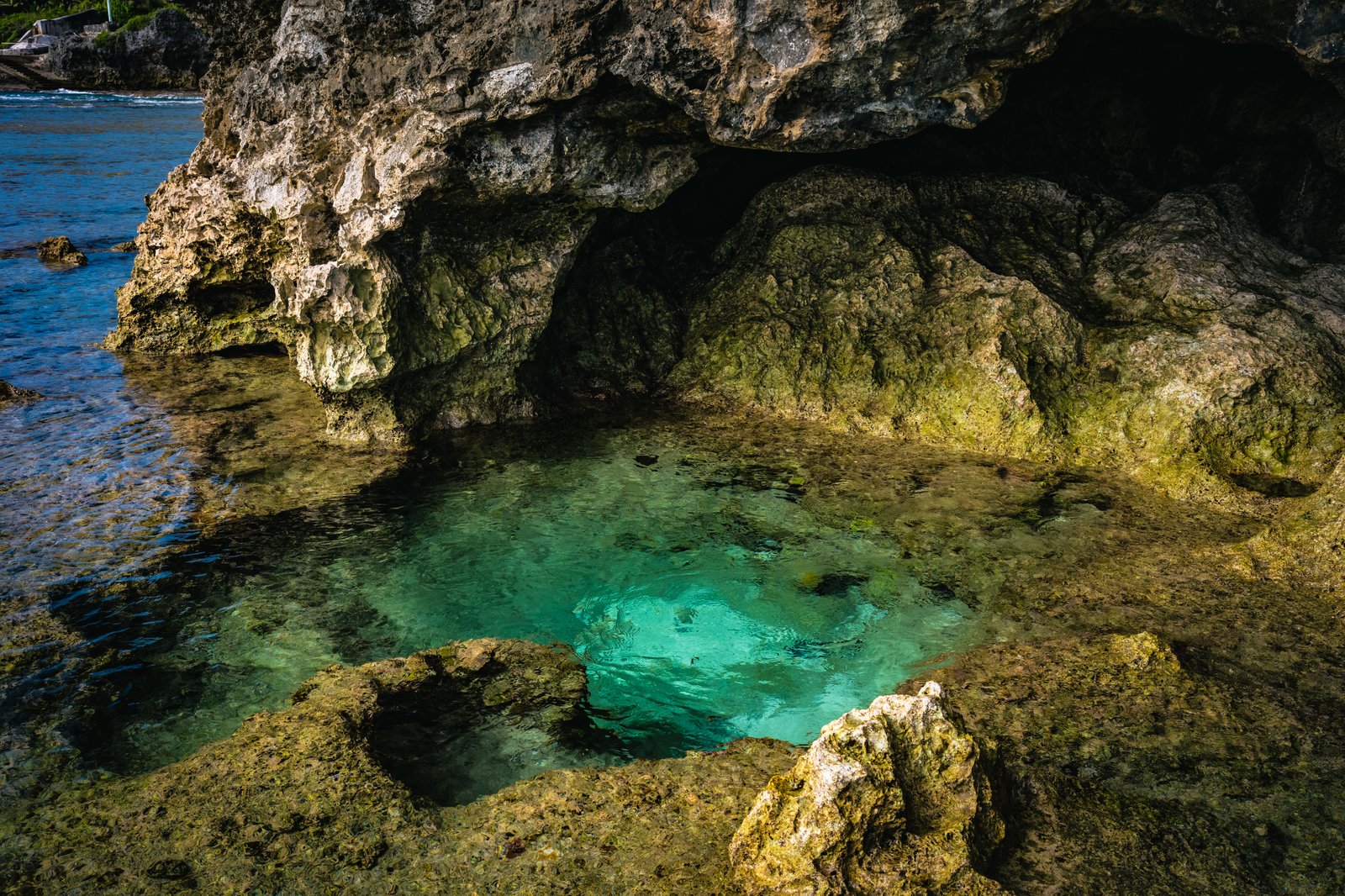
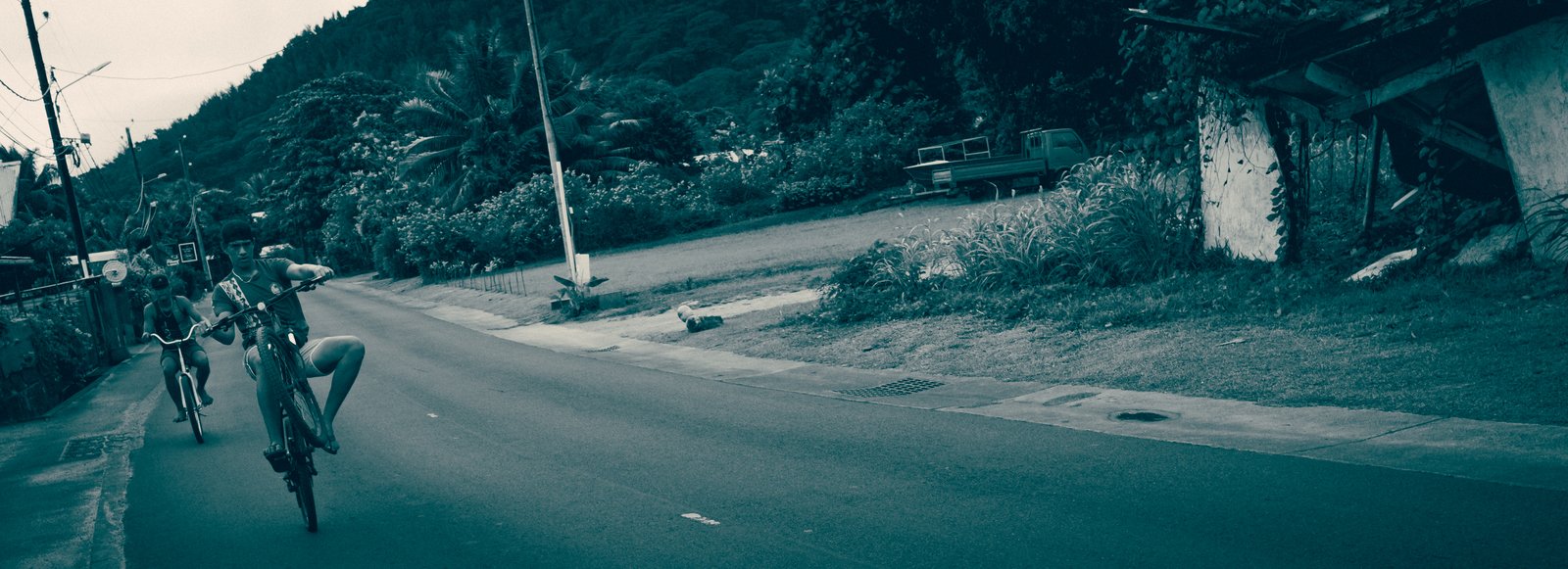
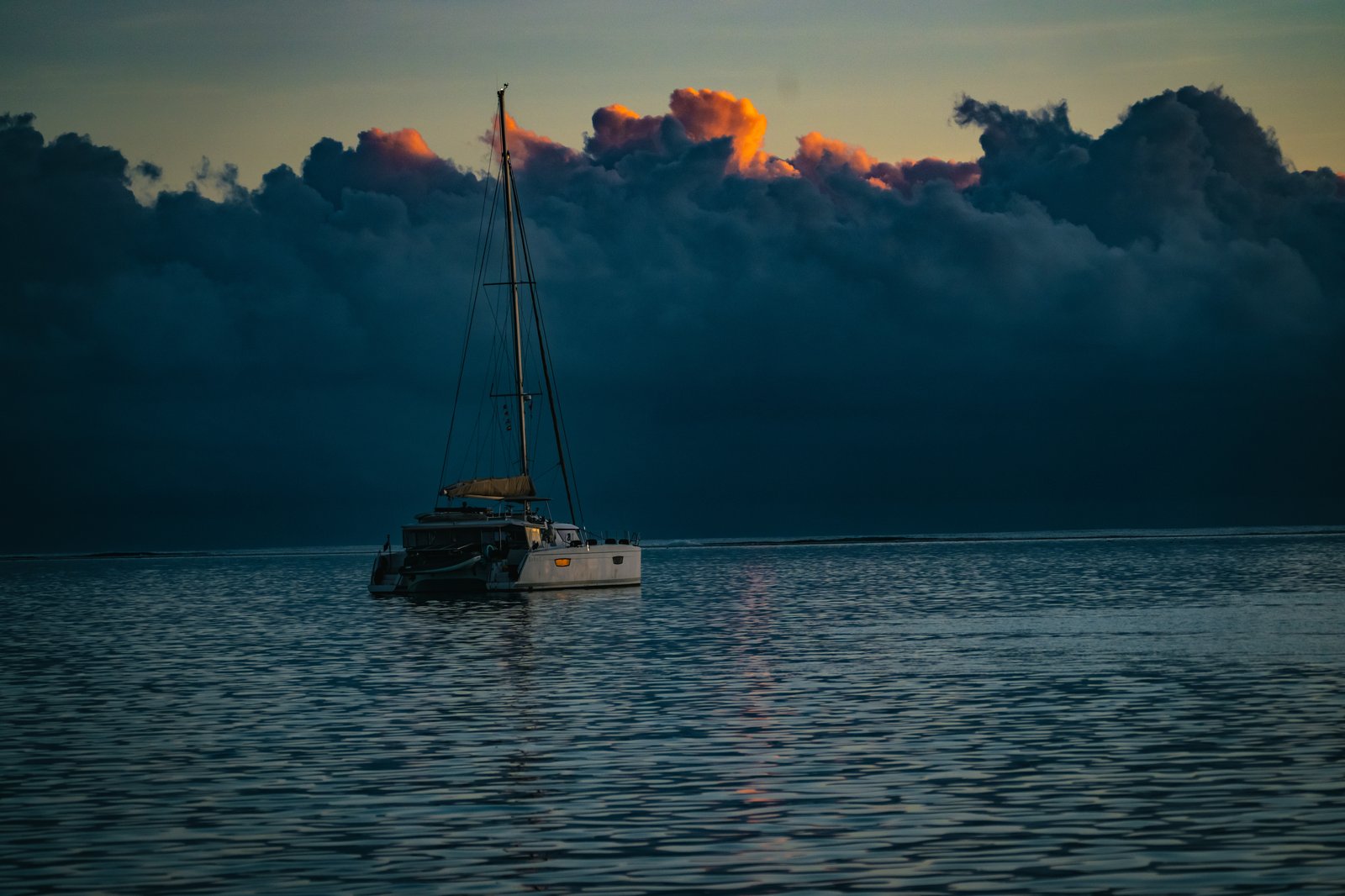
Left: a very pink house at Raiatea, minding its own business at the waterline. Right, top: a neighbour at Raiatea, resting without her rig. Right, bottom: a limestone pool at Niue doing its best impression of a swimming pool.
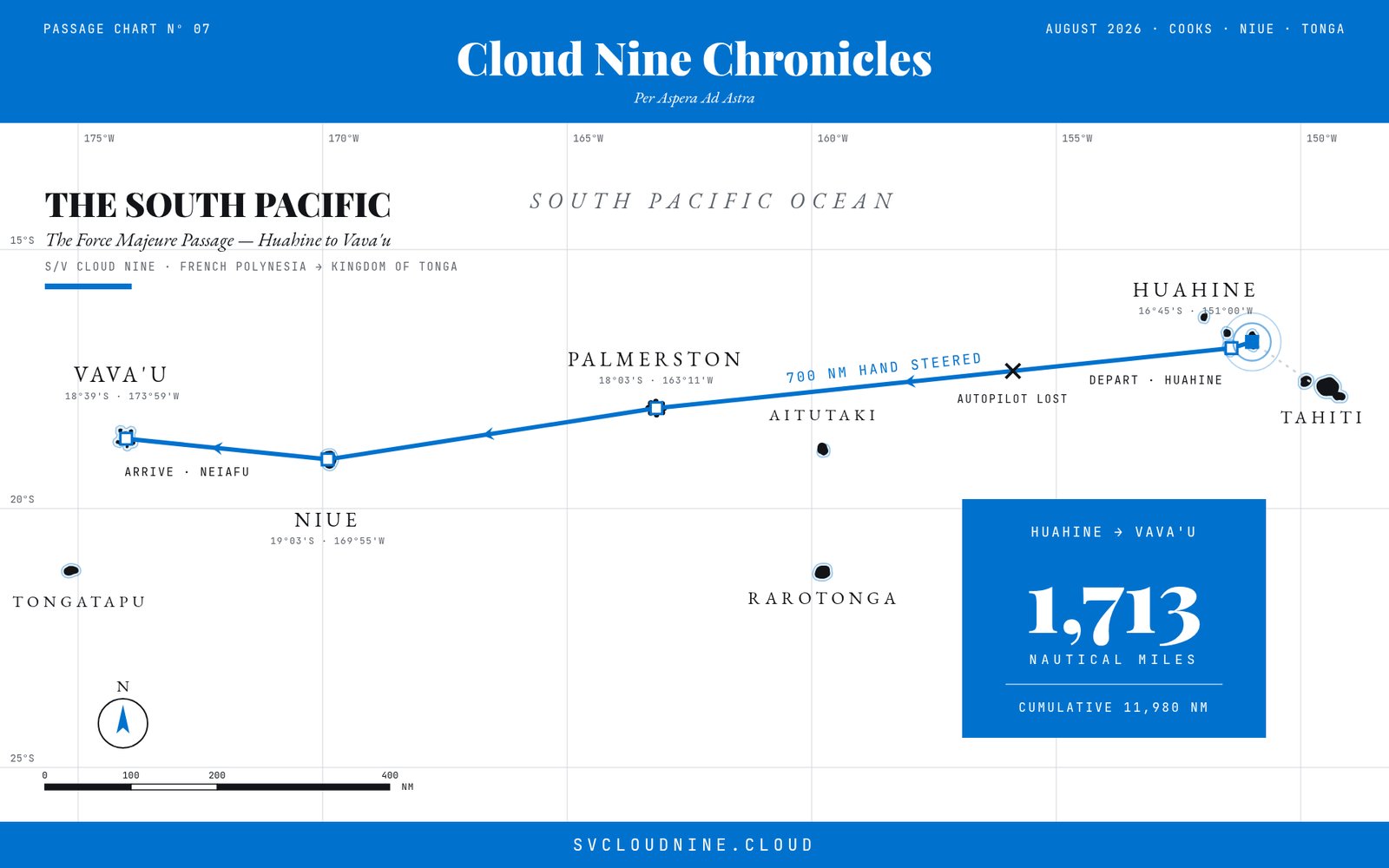
Soon it was blowing a consistent thirty knots with a solid three to four metres of swell, which is what we like to call proper sailing. Just before sunset I heard a huge crack, and with that the soul of my autopilot left the boat. I put Cloud Nine into a heave to, which is more or less the ctrl-alt-delete of sailing, and started working the problem. I do carry a Hydrovane, a wind powered self steering unit, but I had left its rudder off; it had not been working well, it slowed the boat and hurt the steerage, it grew a beard of weed, and so it sat stowed, which seemed reasonable right up until this exact moment. I spent two hours trying to get that rudder in while the boat drifted along at two knots, and there was just no way. So the focus changed to the autopilot itself, which meant emptying every outside locker I had to reach it, so that everything I owned was piled through the boat, inside and out, while the seas kept building. Waves were four to five metres now and I estimated force eight winds. I tracked the fault down to what looked like a physical failure, the kind that does not get fixed en route. Which left one question: how do you sail seven hundred nautical miles with no autopilot and no Hydrovane. By hand, it turns out.
The night was pitch black and so stormy I could not see my own mast. No moon at all. I put everything on the third reef and spent the night on the helm, sailing by sound and by feel, and I was very glad for the days I had spent training in conditions like these back on Vancouver Island, because it all felt familiar. Out there darkness can be your friend; everything seems within reach, and you cannot see the unending miles of more ocean. When the sun did come up, the five metre waves had made themselves comfortable and started taking turns filling the cockpit, unloading full bathtubs of water on me. I counted five. It was some of the most exciting sailing I have ever done, and somewhere in the middle of it I found a rhythm with the enormity of it all. These were the largest seas I had ever put Cloud Nine into, and she handled them with grace. By then it was becoming an endurance test. I had been twenty four hours at the helm, and if I stopped, the boat drifted backwards. The brain fog was setting in and I needed a plan.
The closest land was Palmerston, part of the Cook Islands, a ring of small islands around an inner lagoon that yachts cannot enter, with an anchorage the reports describe as a fair weather port. It was not on my radar. Then a message came through from a boat sheltering there for similar reasons: high winds, but relatively calm seas, and a couple of open mooring buoys. I altered course and got in just before nightfall, very exhausted, and was greeted by whales and spinner dolphins, which is a better welcome committee than most countries manage. There was one complication. I had no permit to visit this nation, so I declared Force Majeure, a highly misunderstood maritime custom in which you request emergency, temporary permission to anchor in national territories. It comes with some interesting concessions, the primary one being that you make contact with no one. No going ashore, no boat visits. So with my new friends metres away we chatted on WhatsApp, with no handshakes and no nice to meet you. Cook Islands Customs were very interested in the boat, in me, and in the situation, including photographic proof that I was actually repairing something, so I sent them a picture of everything I own spread across the deck. It became apparent there was a polite push to get me moving on. Next stop Niue, where my paperwork was completed and a mooring was booked.
That meant about four hundred and fifty more miles of hand steering, a true test of endurance. The Hydrovane, now assembled, did not seem to want to control the boat, and if I left the wheel for longer than a minute we were off course, so I put my head down and got to work. Twenty to twenty two hours on the helm, then a collapse into sleep for what was left. MAD 2, the other boat from Palmerston, left at the same time and should have had similar boat speed, and as I watched her head off into the distance I knew this was going to be a long trip. In the end I arrived one hundred miles behind her, which is a polite way of saying I was impossibly slow. The passage was not without its gifts. Somewhere out there I finally lost my fishing hex and the mahi mahi started coming. I brought a nice sized one up to the boat and let it go, then hooked an even bigger one that threw the hook ten feet from the rail while I hauled the handline with both hands and steered with my backside. Later I spotted a small raft adrift with three birds aboard, and swung toward it to see who else might be living underneath, and as we passed, a beautiful streak of blue ran across the water and the line went tight. That one, because of where the hook sat, came aboard. I am always conflicted about this and only like to take a fish when I need the meat. I was low on provisions. It made sense. So, sadly, that fish met its end.
By nightfall I had passed the final corner and tied to my buoy at Niue, low on everything, including water, because you never have just one thing wrong with a boat, and my watermaker and water pump had decided this was their moment too. Niue is a beautiful place, a raised limestone island very much close to nowhere, with no protective bay at all, so the visiting boats hang on moorings exposed to whatever the sea has in mind. Getting ashore is its own sport. You bring your dinghy alongside the concrete pier, clip into the hook of a small crane, and either ride the lift out of the water or make a well timed jump onto a set of stairs between shore swells. This worked a few times, and I was really loving Niue; hands down the friendliest, happiest people I have met on the whole journey. There are not a lot of resources on the island, so it became obvious I would be leaving with a broken autopilot, and I put my energy into getting the Hydrovane operational instead.
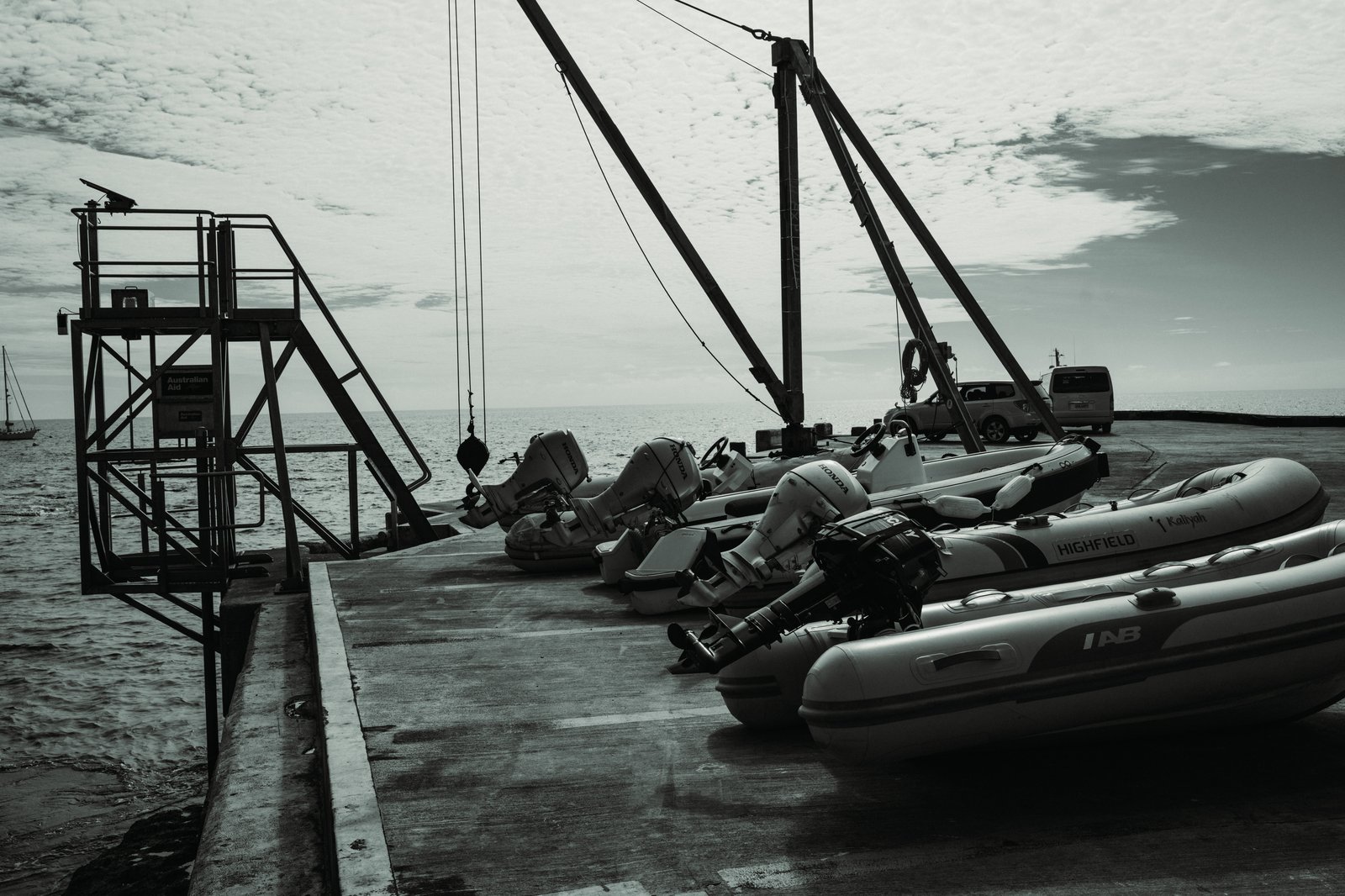
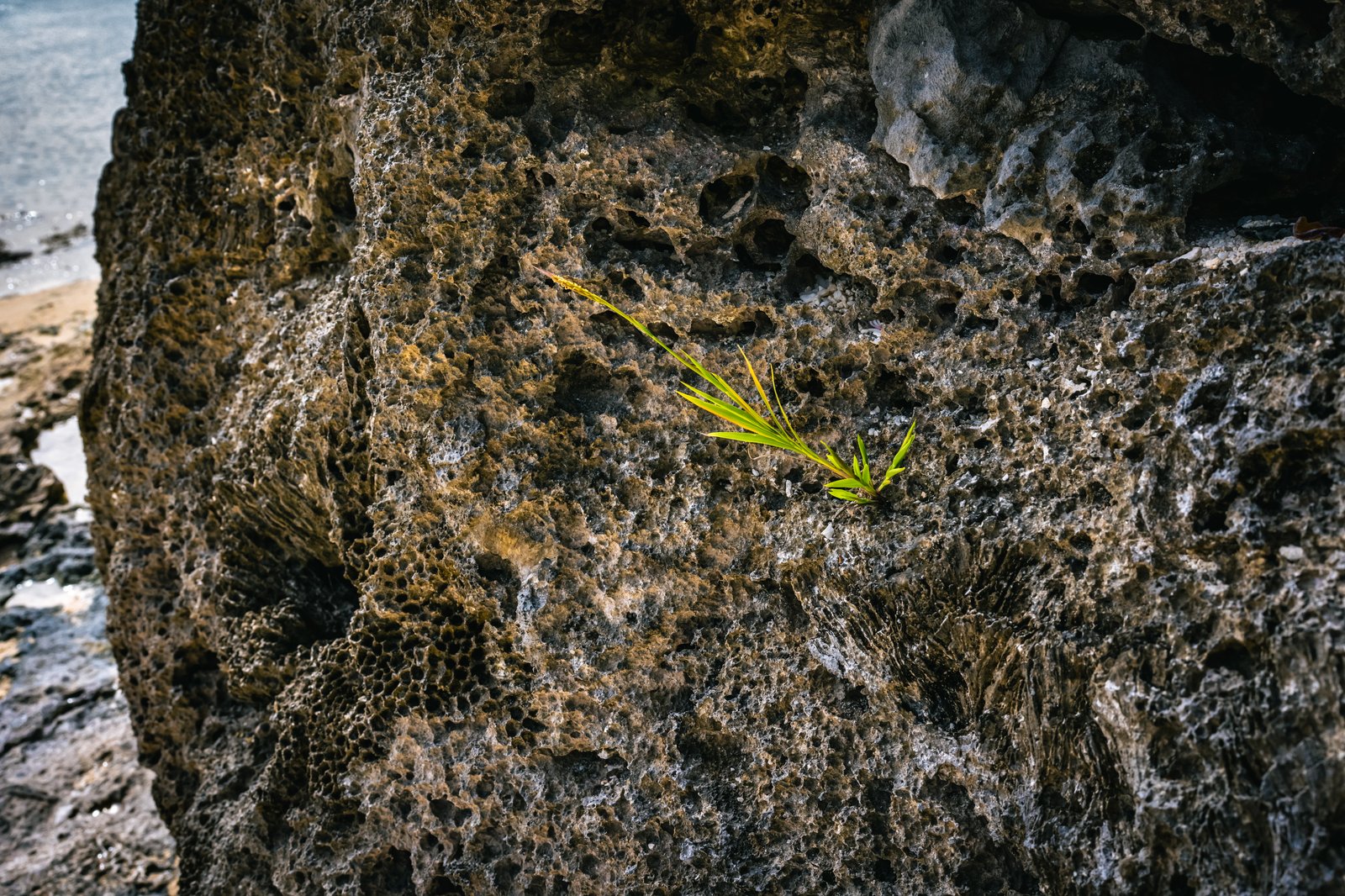
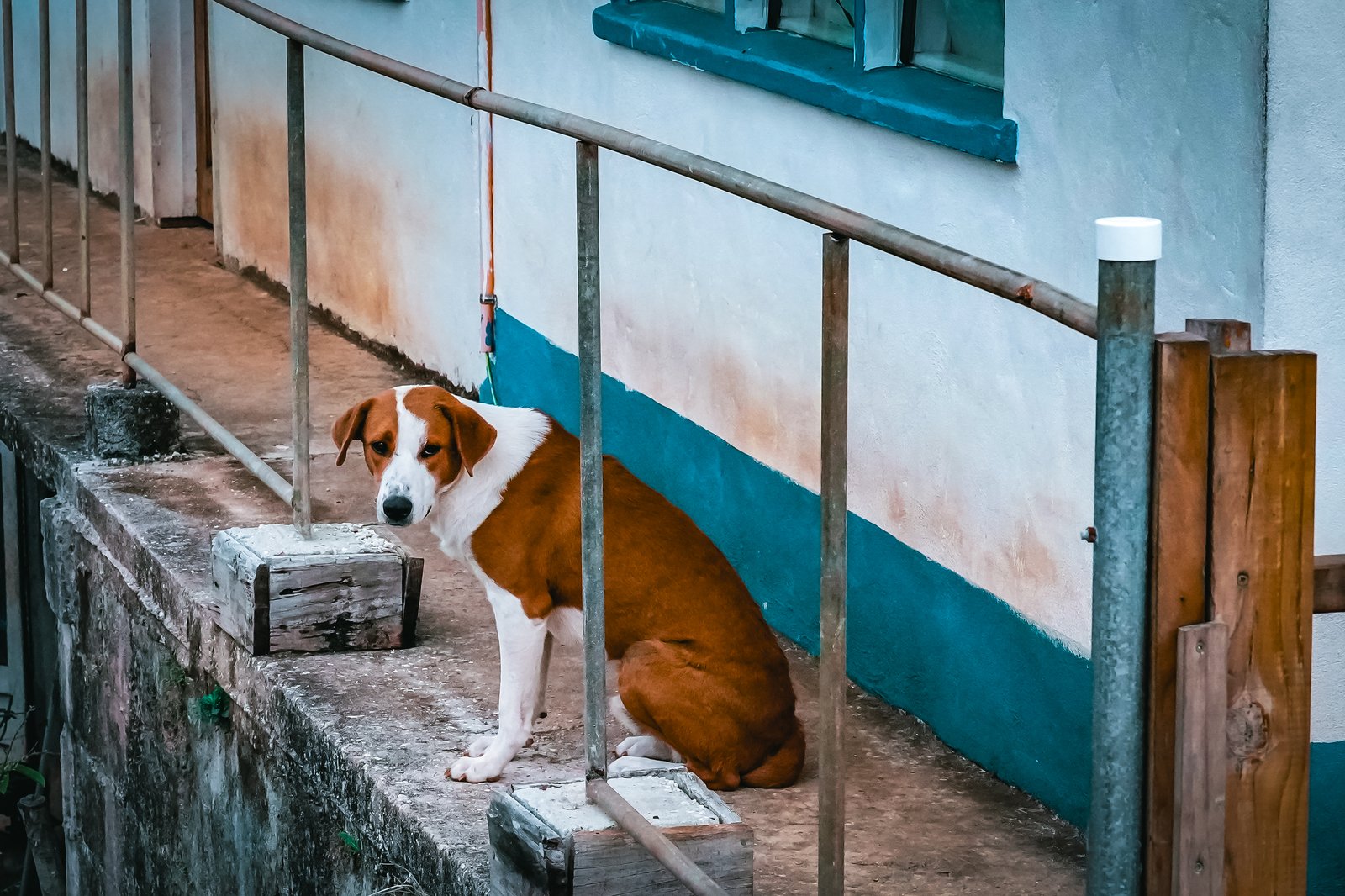
Left: the dinghy lift at Niue; you clip in, you time your jump, and mostly it works. Right, top: Niue limestone, and something green getting on with it. Right, bottom: local security, Neiafu, unimpressed.
On the last day I went ashore one final time to check out of the country. No one was around to help at the pier, so I clipped into the crane and planned to jump ashore and lift the dinghy myself. Great plan, poor execution. I had just grabbed the climbing out bar when the dinghy was hit by a huge set, and I was swept off and into the water. Phone in pocket, camera gear on my back, and I am going down. It came to me fairly quickly that the situation was actually pretty bad; if I could not hold on I would be taken in the surf and spread out across the last bit of reef, and it was up to me to get myself out. So I locked into rock climbing mode and worked my way across that slippery concrete wall on minor little finger holds, finding traction with feet that were a good three feet underwater, hand by hand to a ladder, and climbed out. Somewhat in shock, I got the dinghy up and started organizing myself, and then I looked at my lower body. Both legs were covered in blood from cuts around the knees, which rinsed off at a tap as nothing but flesh wounds, but one big toe had gone jet black, the pain searing at an eight out of ten, and something seemed to be embedded in it. The kind people at the coffee shop took one look and got me to the hospital, where the primary piece of medical advice, from an actual doctor, was to pee on my foot. He also froze the toe, which worked rather better, and by the time the freezing wore off the pain had mellowed. A round of antibiotics, a bottle of Dettol from the gas station, a soak every few hours, and the whole thing cleared up faster than it had any right to.
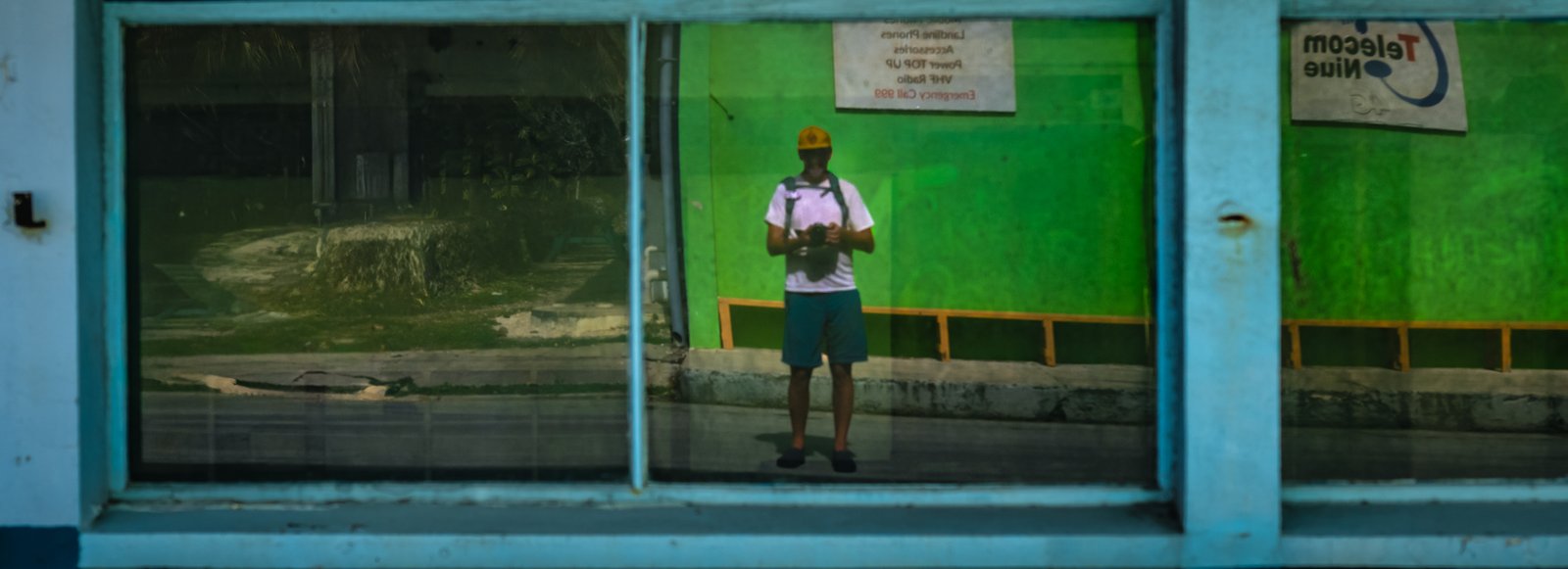
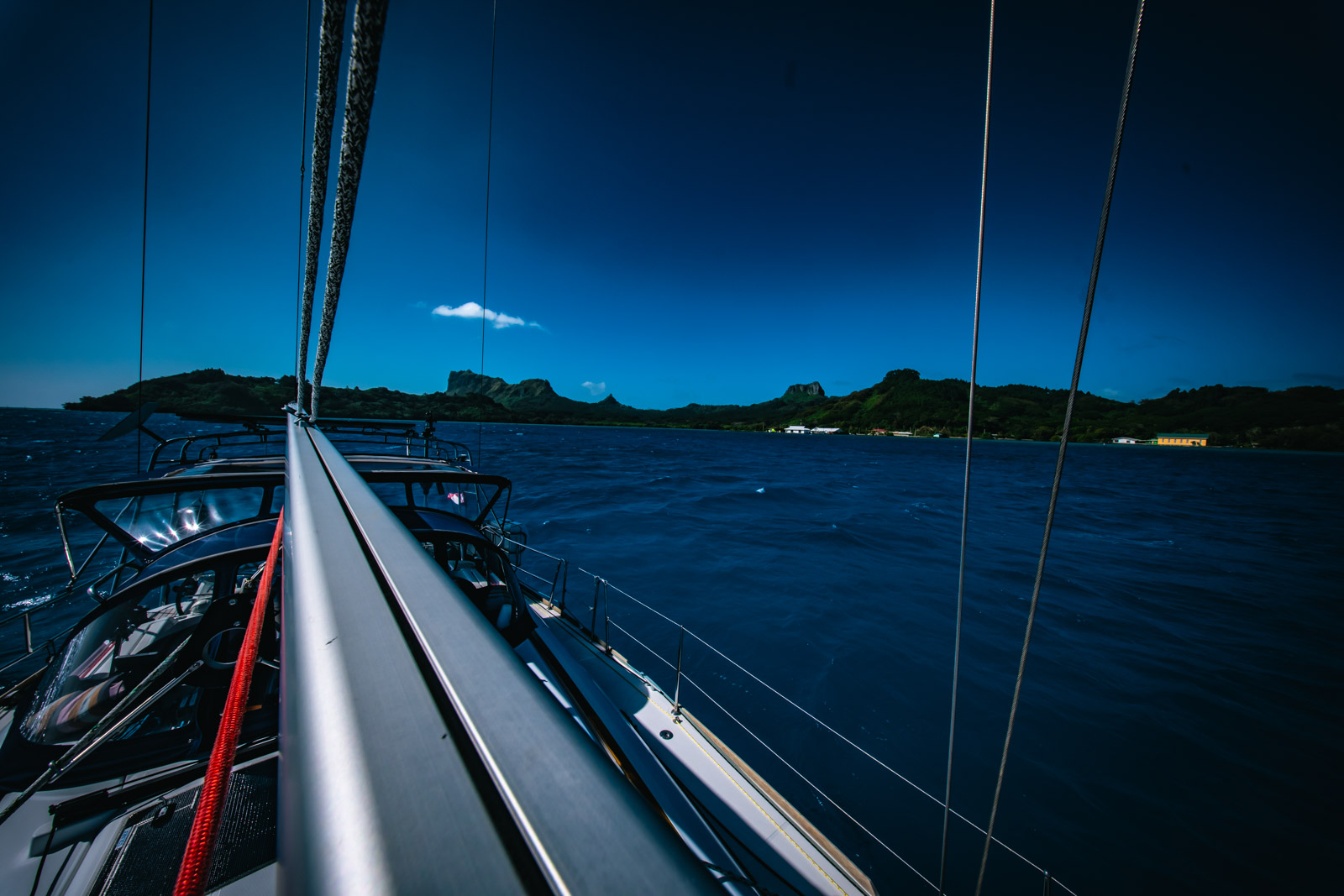
Back at the boat I was feeling the pull to move on. Seven of the ten boats had already left and the weather to Tonga looked strong but decent, so with a messy toe I slipped out onto the ocean just as the sun set. The changes I had made to the Hydrovane were finally keeping us on course, and I picked up some of the important sleep I had been missing, running through the night under genoa alone at the four and a half knots I had planned for. When the sun came up the main went on and speed was back in play, and I took some extra time to rig the whisker pole and let the genoa breathe, and Cloud Nine started to gain momentum. She was having trouble holding a course at the new speed, so I went back to hand steering, and I realized that if I sailed her slightly overpowered we could be in that same day. So I left everything up and sailed hard for Vava'u. The boat was flying. We averaged 7.6 knots with a top speed of 11.5, the sun was out, and hand steering in conditions like that is one of the moments that shape this into such an amazing experience. As the sun made its final fall out of the sky, Cloud Nine and I slid through the outer reefs and entered the Kingdom of Tonga. We had sailed over seven hundred nautical miles solo and by hand. I had passed out more times than I can count at the helm and fought off my biggest fear, falling asleep close to land. Inside the reef the seas faded but the wind held, and we ran a moonlit shot across the bays of Tonga into a silent, protected anchorage, the first stable spot in over two weeks. Such a treat.
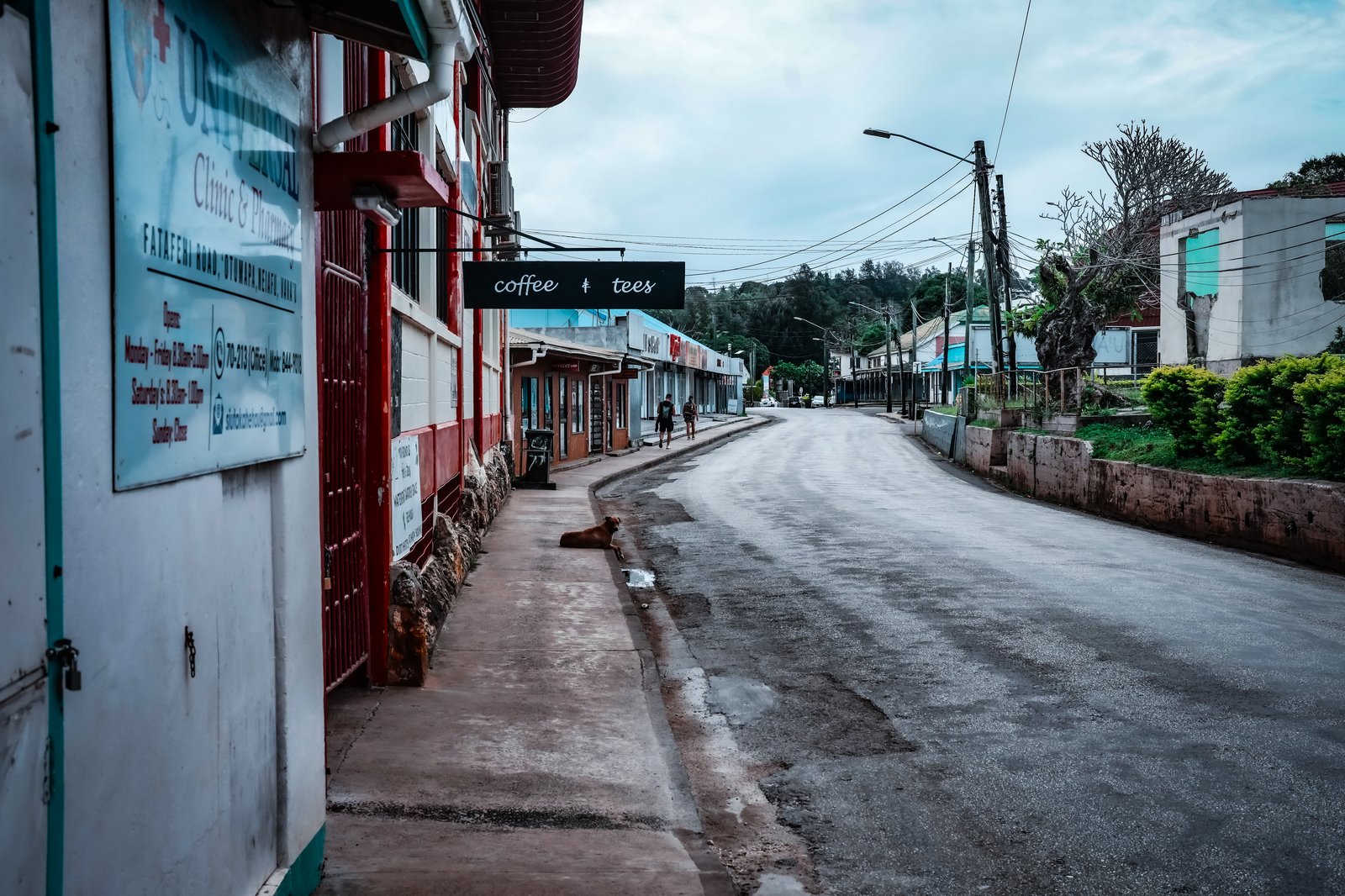
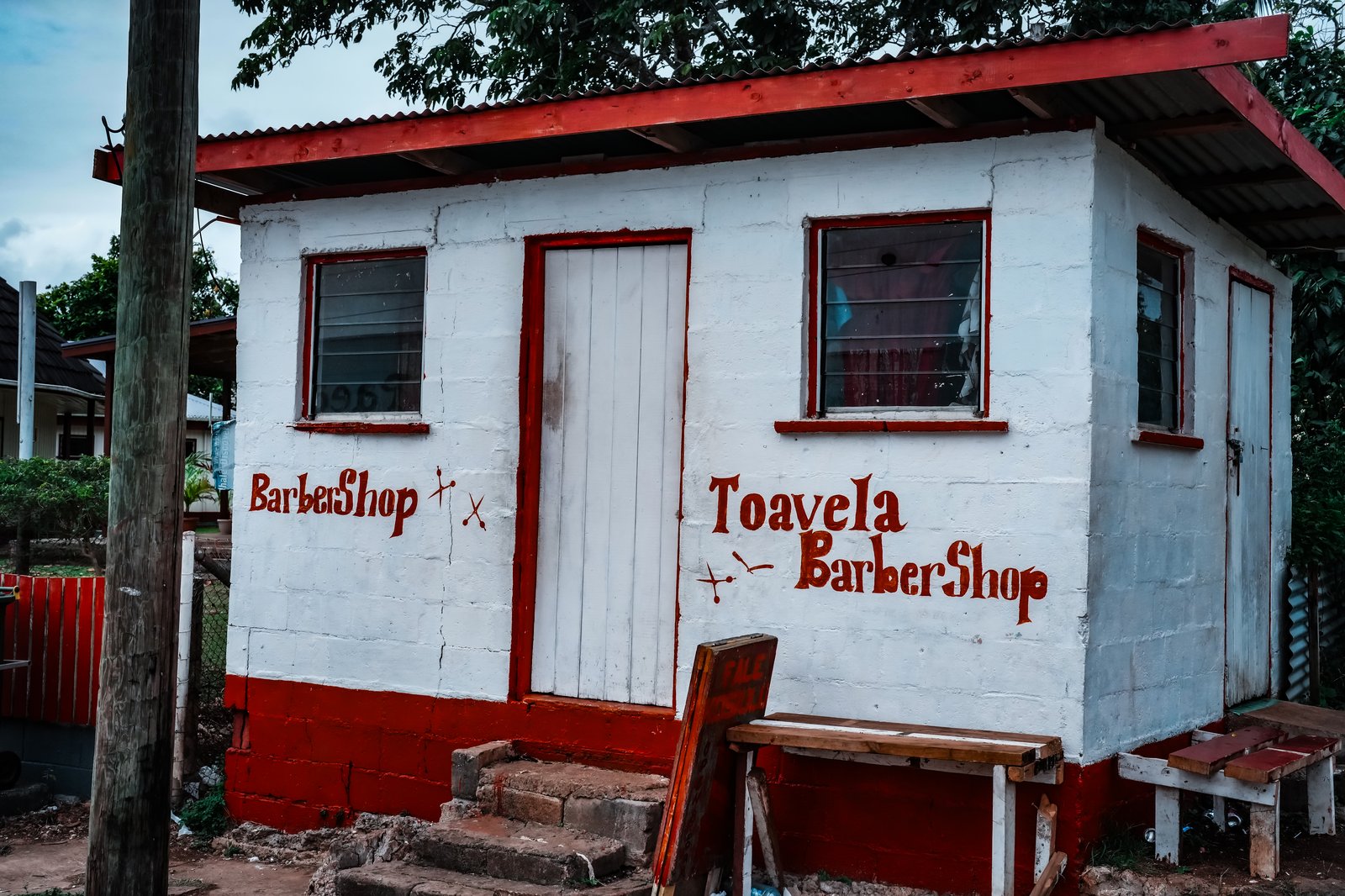
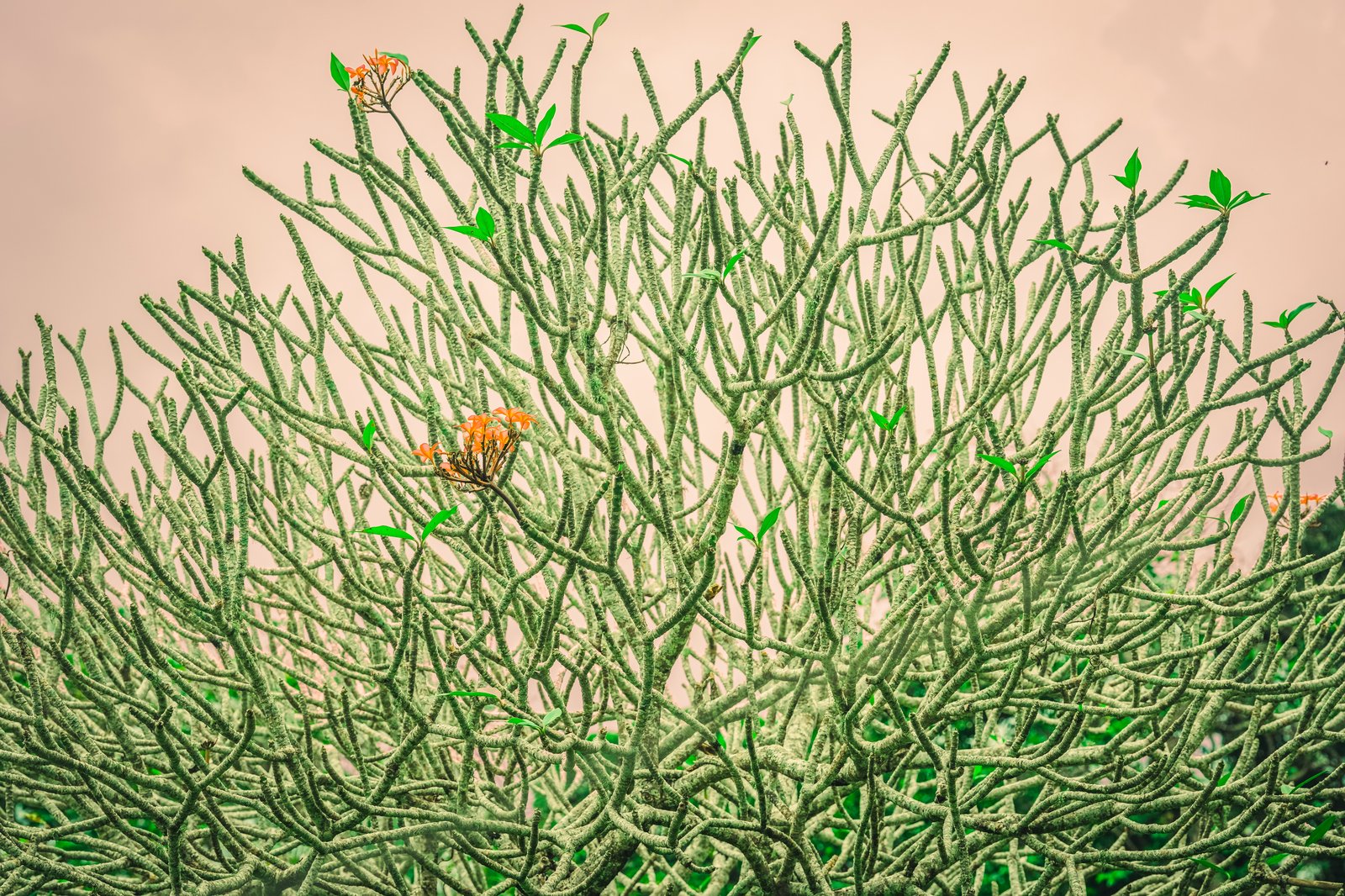
Left: main street, Neiafu, at closing time. Right, top: Toavela Barber Shop. Right, bottom: frangipani, Vava'u, against a tired sky.
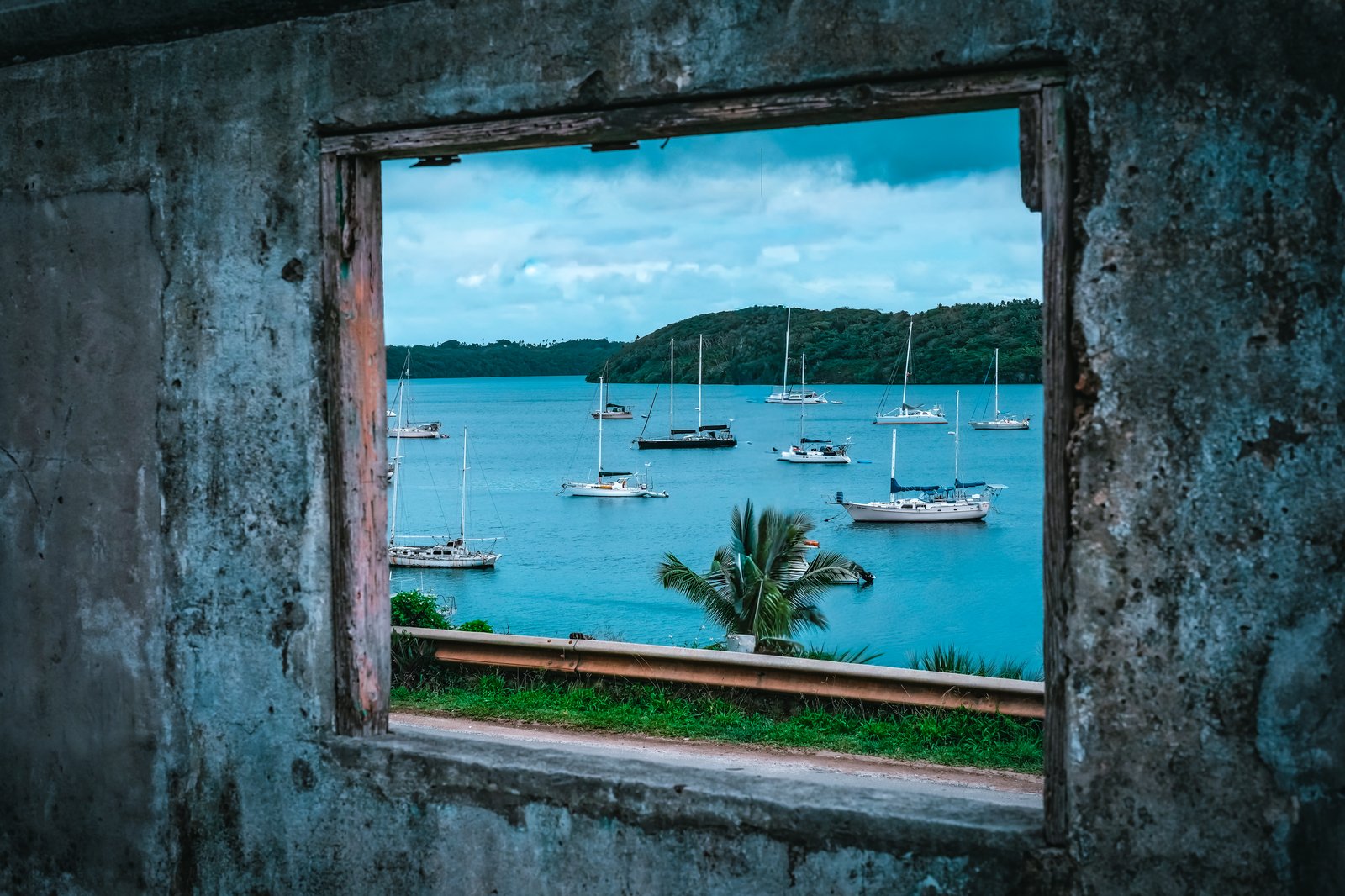
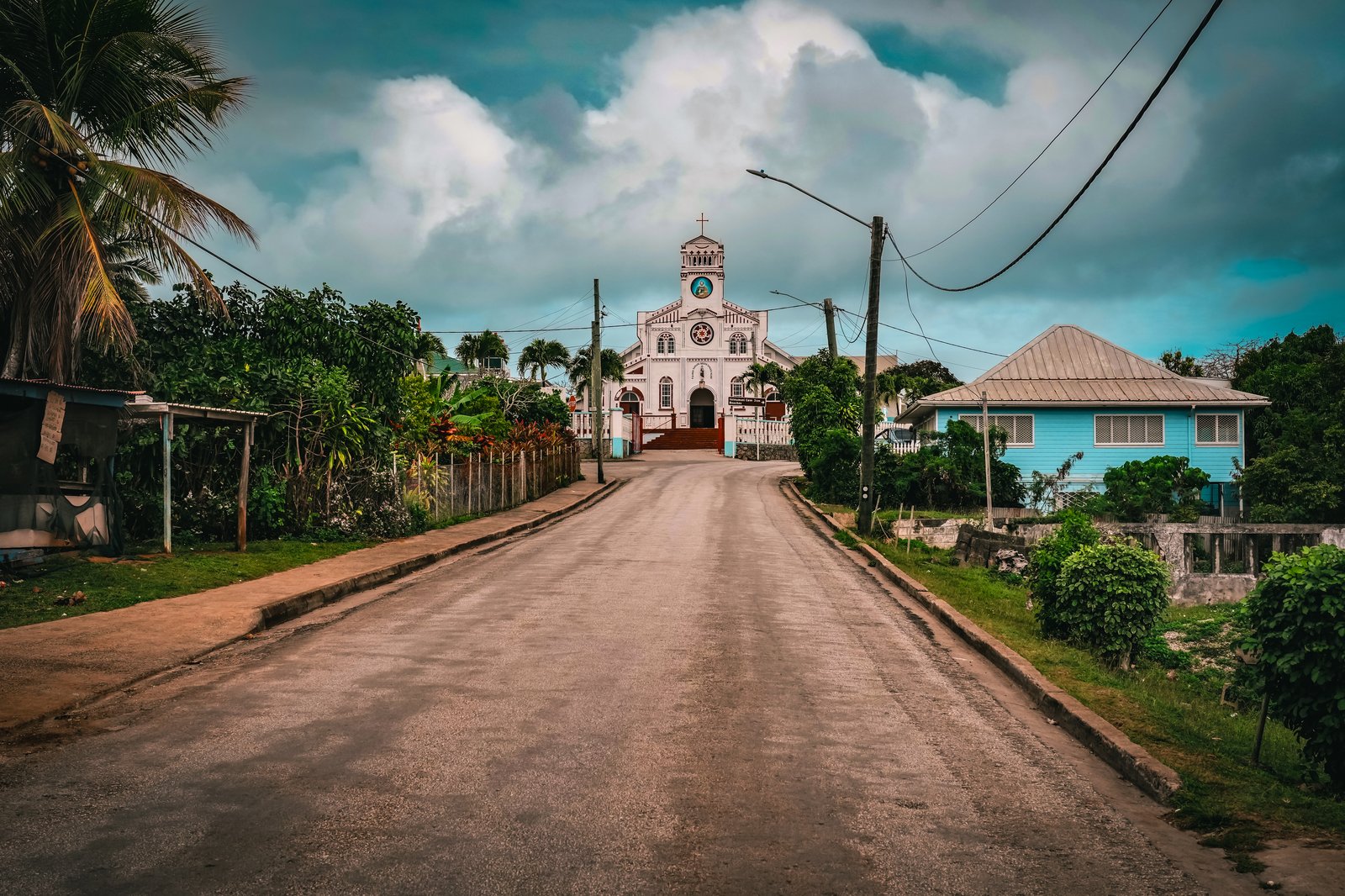
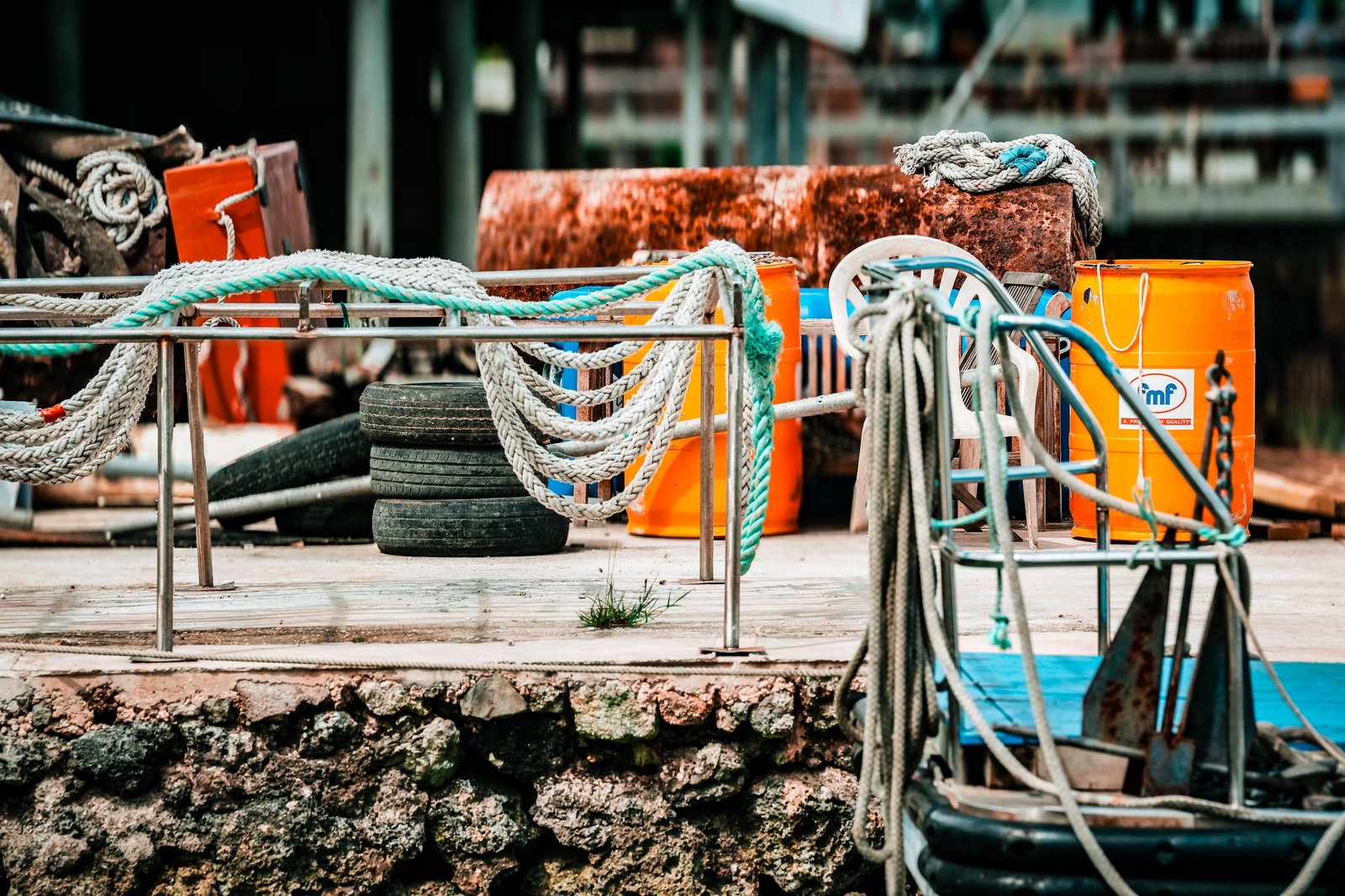
Left: Neiafu harbour through somebody's old window frame. Right, top: the road to church, Vava'u, weather building. Right, bottom: wharf inventory, Neiafu.
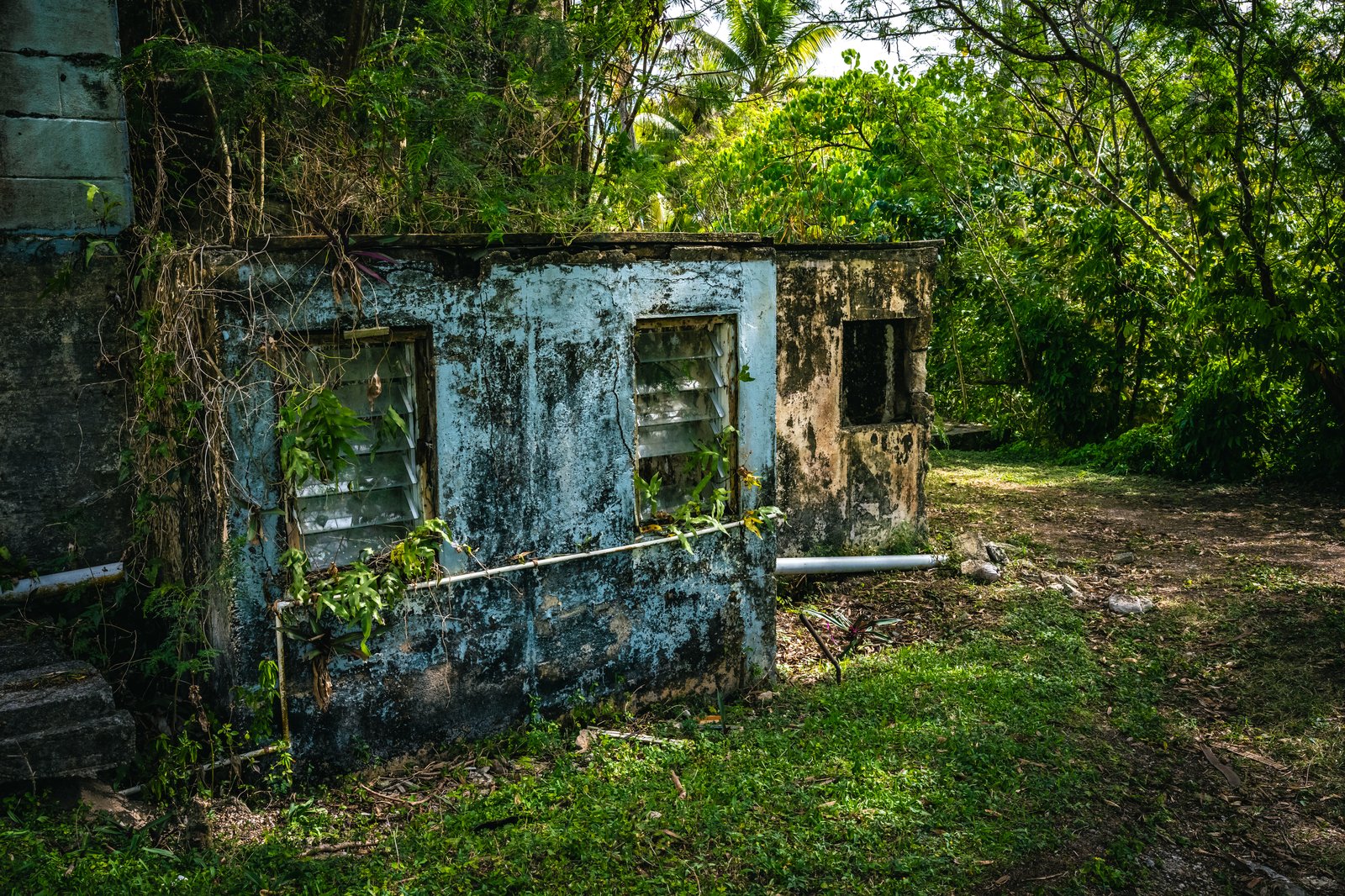
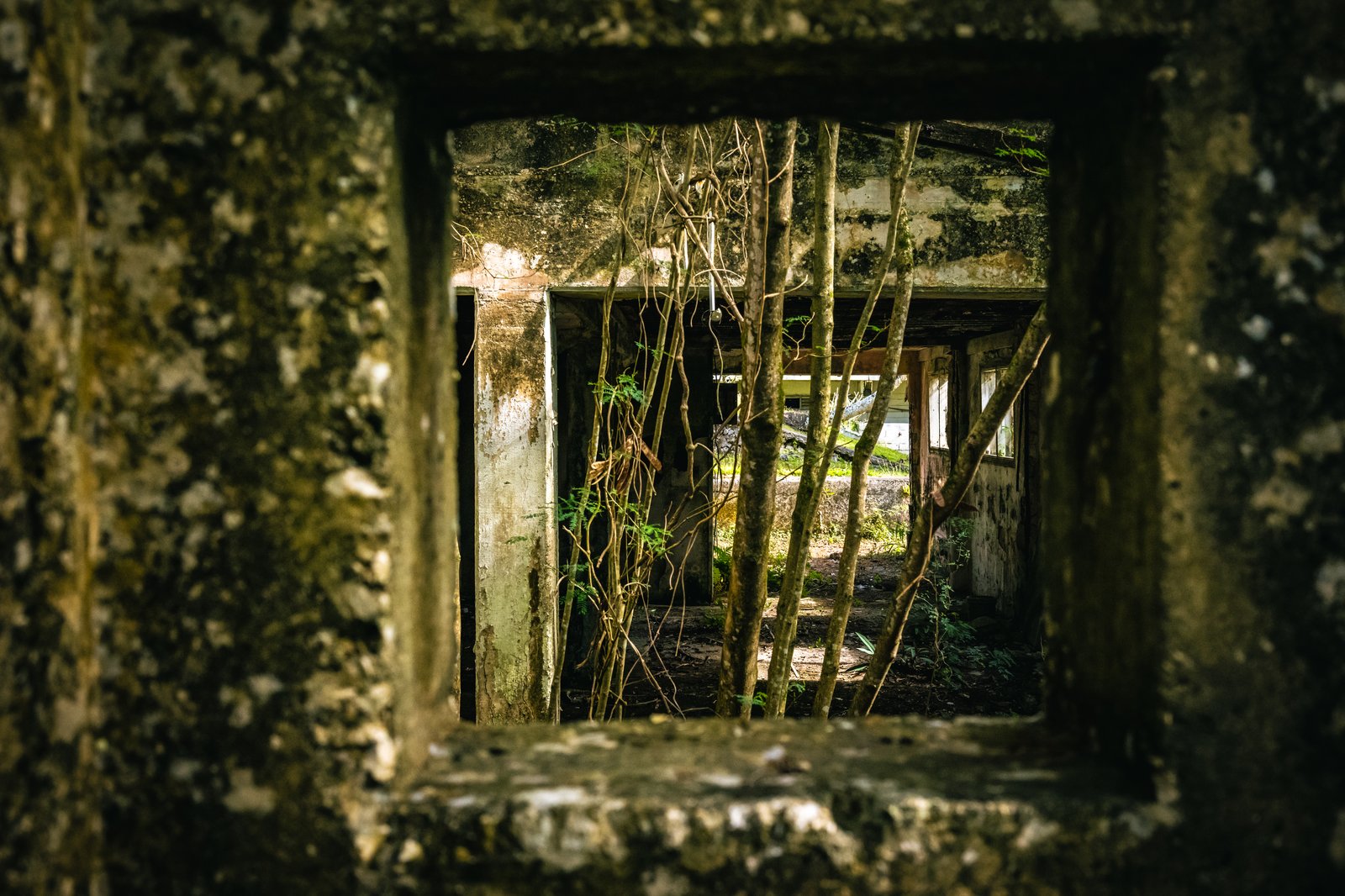
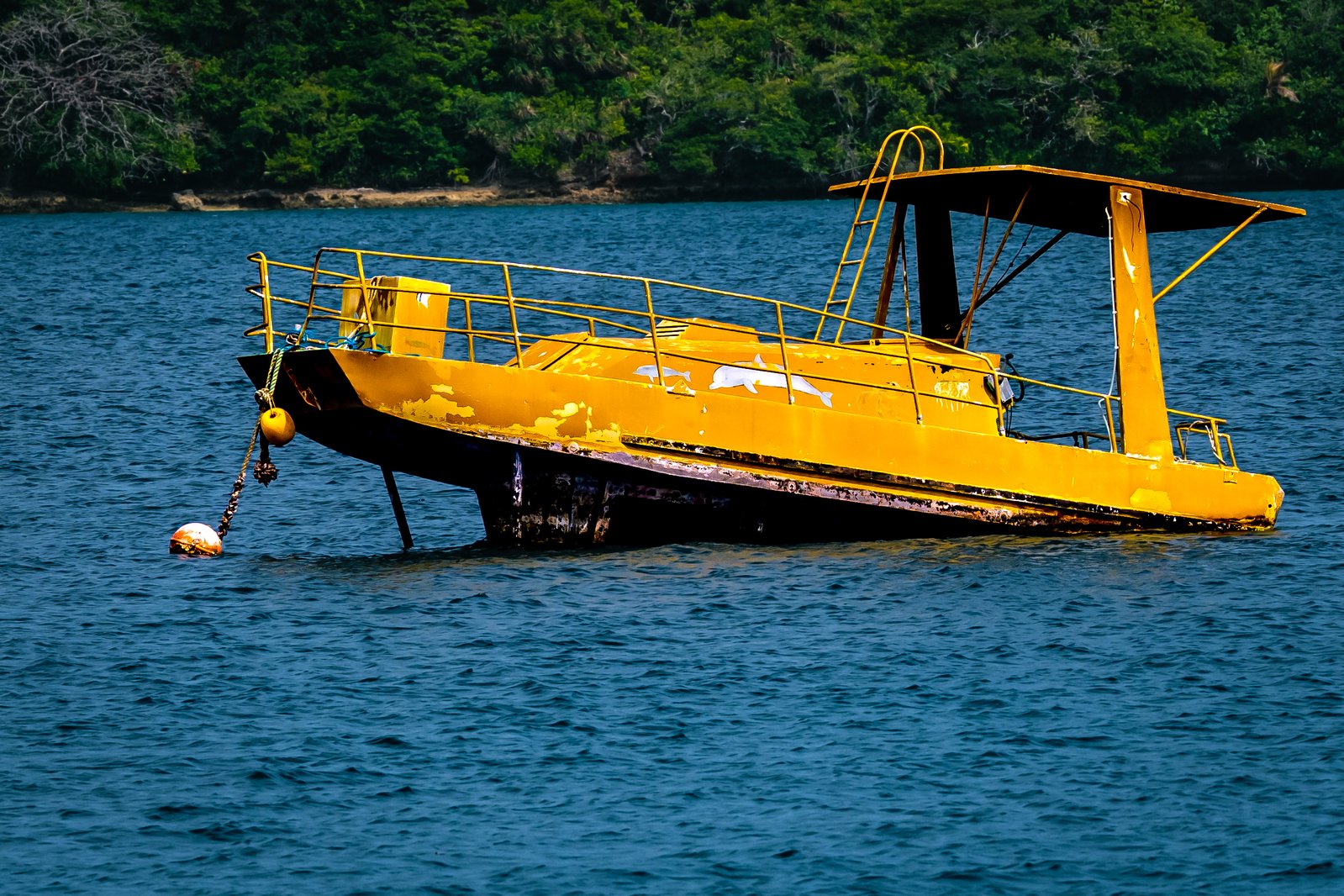
Left: the bush taking a building back, Vava'u. Right, top: a window with a forest where the room used to be. Right, bottom: a retired whale watcher, still yellow, going nowhere.