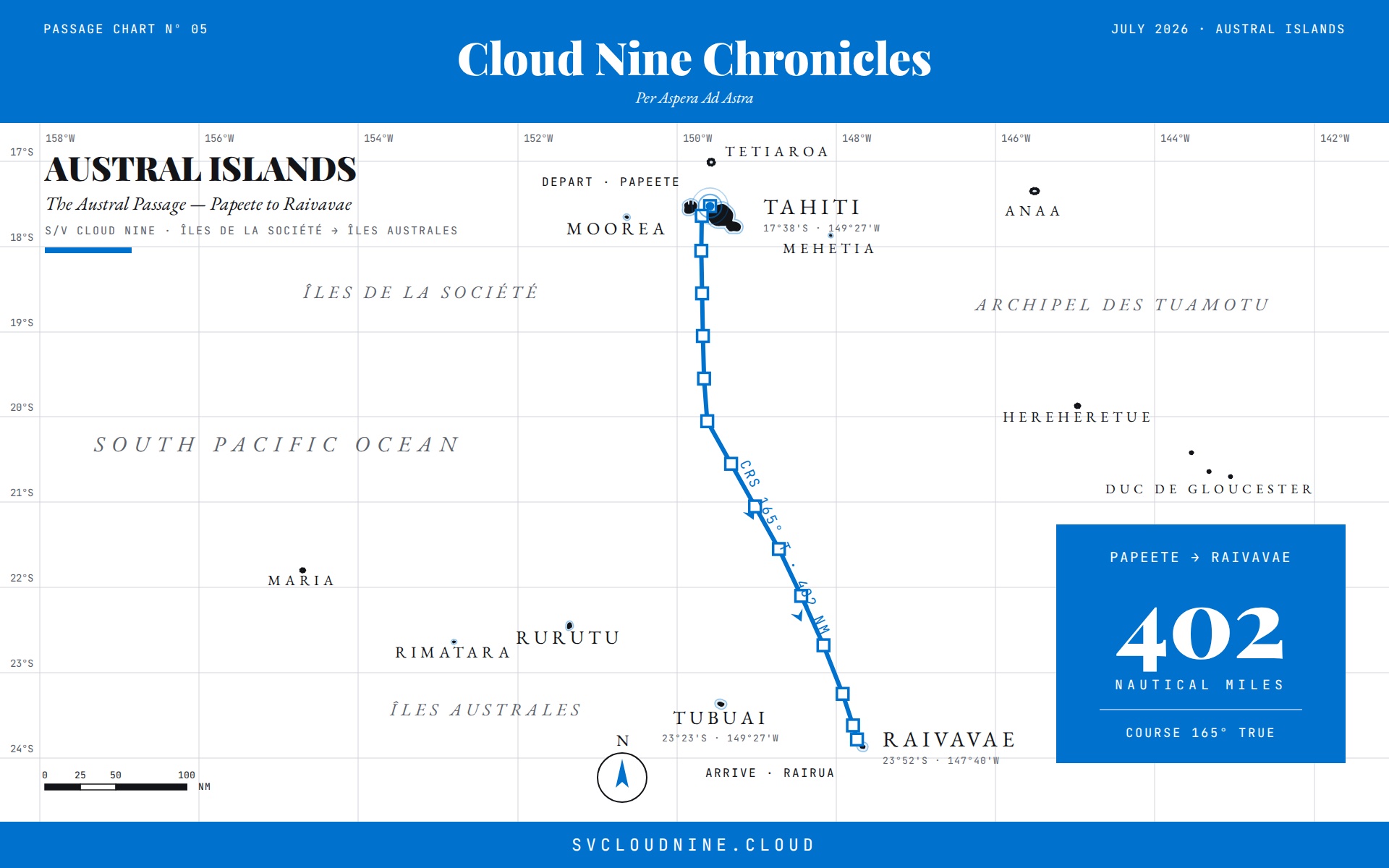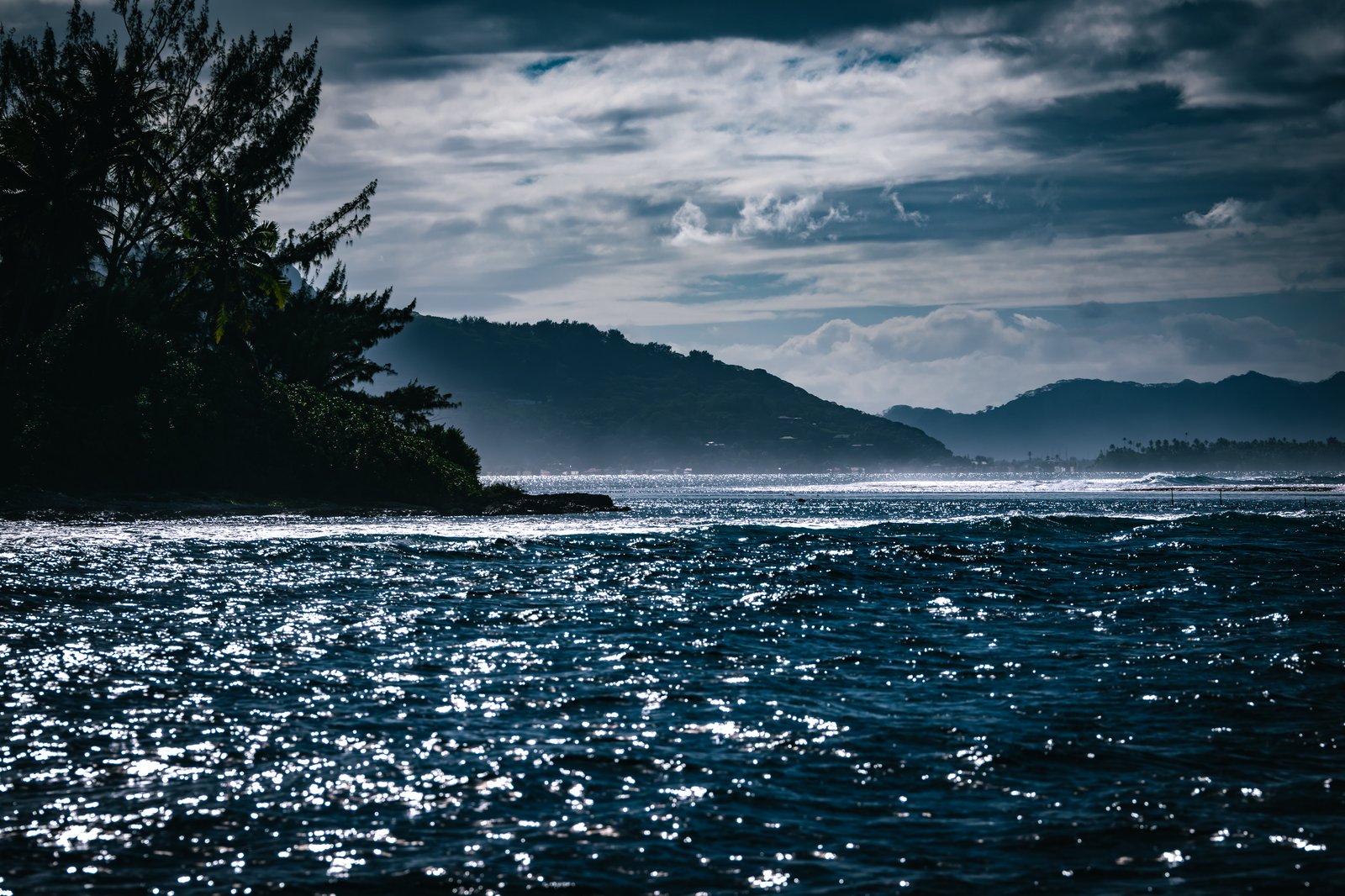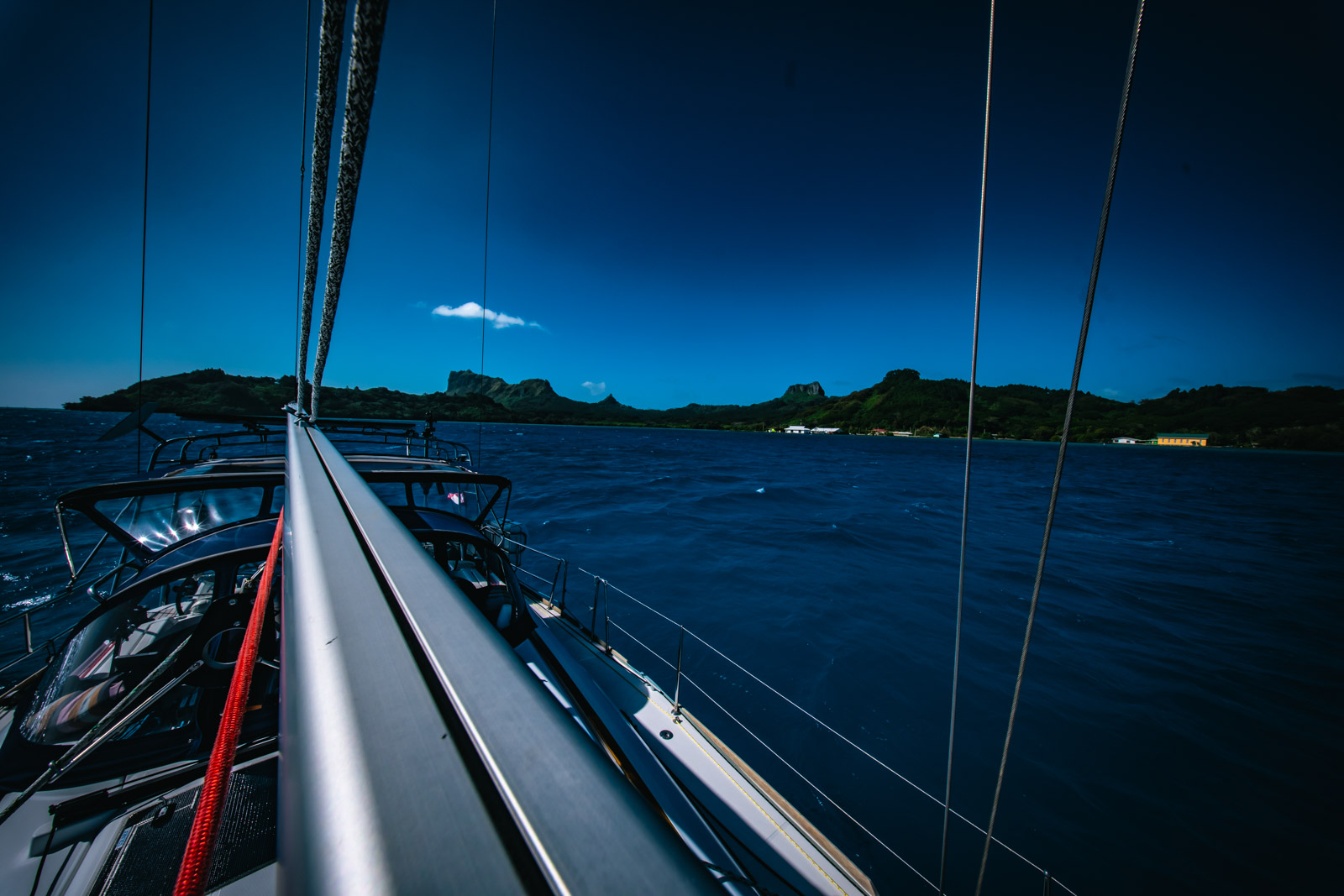
The lagoon at Raivavae held onto me for five days, and I was the only boat in it. The wind sat at twenty-five to thirty knots and showed no sign of tiring, and in that kind of weather you do not leave the boat anyway, so I did not, and the days ran together the way they do when the horizon looks the same in every direction. I watched the forecast the way other people watch television. We were low enough to sit in the shoulder of one system after another, and the weather offered nothing honest for a week, maybe two, unless I took the one narrow thing it was holding out now, which was two days of thirty to thirty-five knots on the beam and three to four metres of short, bad-tempered sea, and then easy running the rest of the way to Phaeton Bay. I was also, by then, still eating my way through the bag of onions. I decided to pull the anchor.
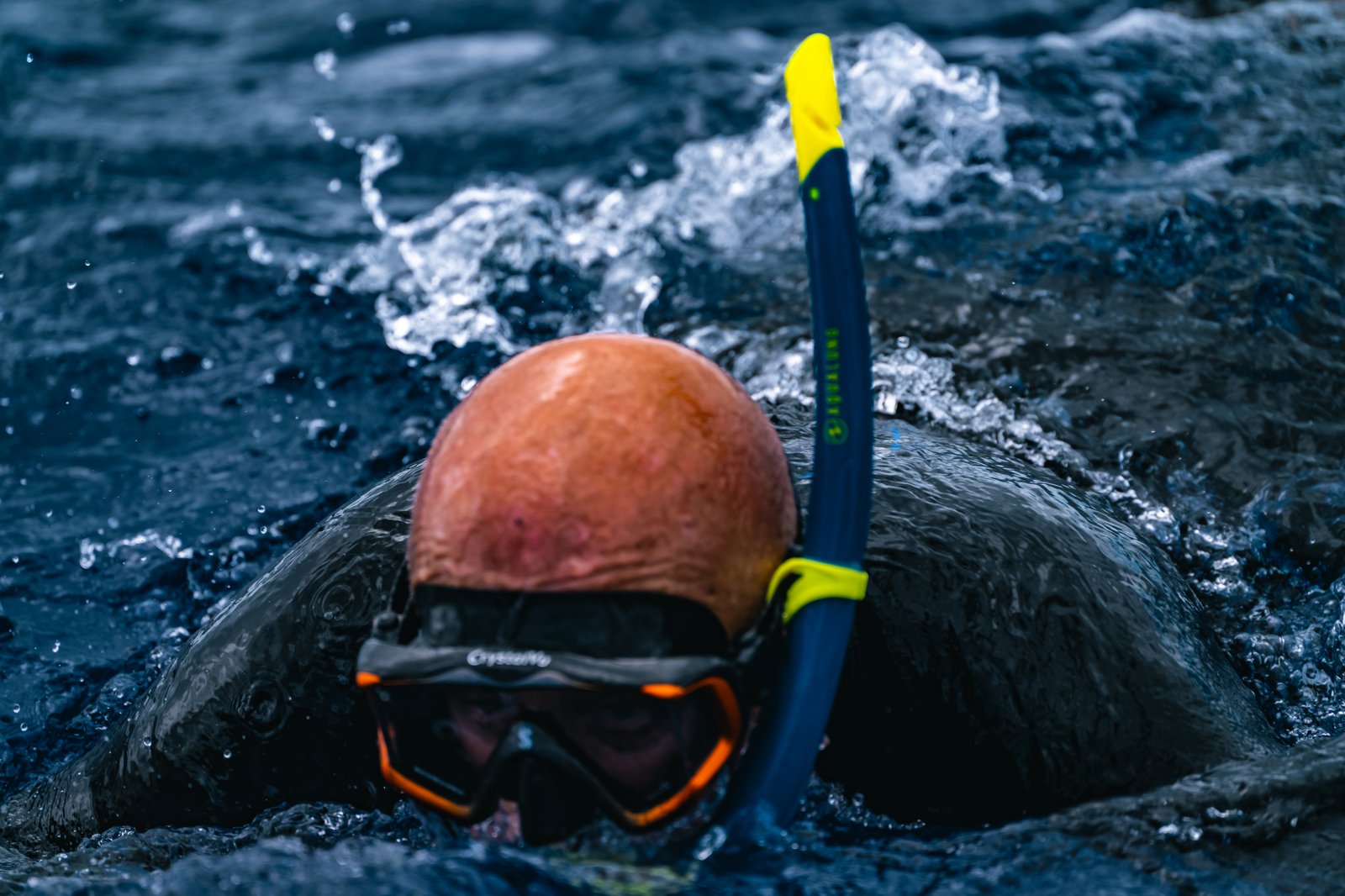
Or I tried to. The chain, it turned out, had spent the week winding itself lovingly around a bommie, a small hard island of coral that had not been there when I set the hook and was very much there now. I had floated the chain to prevent exactly this, and the chain had ignored me. So in twenty knots of wind, alone, I went over the side, snorkelled down, read the way we were wound, carried the picture back up to the deck in my head, and undid the whole clever knot by feel with my fingers crossed. It took about an hour. It worked. Coral has opinions out here, and most of them are wrong.
The gap out to the ocean is narrow, and we were perhaps five minutes into it when a wave the size of a small house picked Cloud Nine up and laid her hard over on her side. I had a brief and honest conversation with myself about what I thought I was doing, and then I looked at the sail I had up, which was the right amount, and decided we were up for it. We were. For two days we ran at five and six knots through a grey and heaving ocean that never once felt like it meant us harm, and the wind eased into the low twenties, and the seas grew tired and confused but stopped shoving the boat around. Somewhere in the second night I jammed the mainsail while furling it and lost the main for the rest of the passage. It fixed itself a day later, which was very kind of it.
Timing is the one thing you cannot repair, and we came up on Phaeton Bay exactly as the light went. Going into a strange pass at dusk is how you turn one problem into three, so I made the dull, correct choice and stayed out, and then I had twelve hours to spend and nowhere to be. We turned north and sailed the long way around the top of the island, slow and easy under the stars, listening to the French Navy and a Chinese fishing boat hold a patient radio argument about where, precisely, the fishing boat was allowed to fish. Neither of them convinced the other. Nobody ever does.
At first light we slipped into the airport anchorage with the swell breaking white on both sides of the entrance to keep things interesting, and set the hook beside a friend's boat I had last seen down in the Gambier. I spent the morning doing nothing and the afternoon buying every vegetable I could see, which after two weeks of onions felt like a kind of wealth. It is a busy, hustling place, that anchorage, planes going over the masthead and a few hundred boats swinging around, and not somewhere to linger. My friend put the idea of Morea in the air, two hours across the water, and I did not need asking twice. We left the next afternoon on a fat reach at a hundred and twenty degrees, full sail, eighteen to twenty-two knots, Cloud Nine picking up her skirts and running at eight. It was not a race. It was only the kind of not-a-race that happens whenever two boats leave the same anchorage bound for the same one.
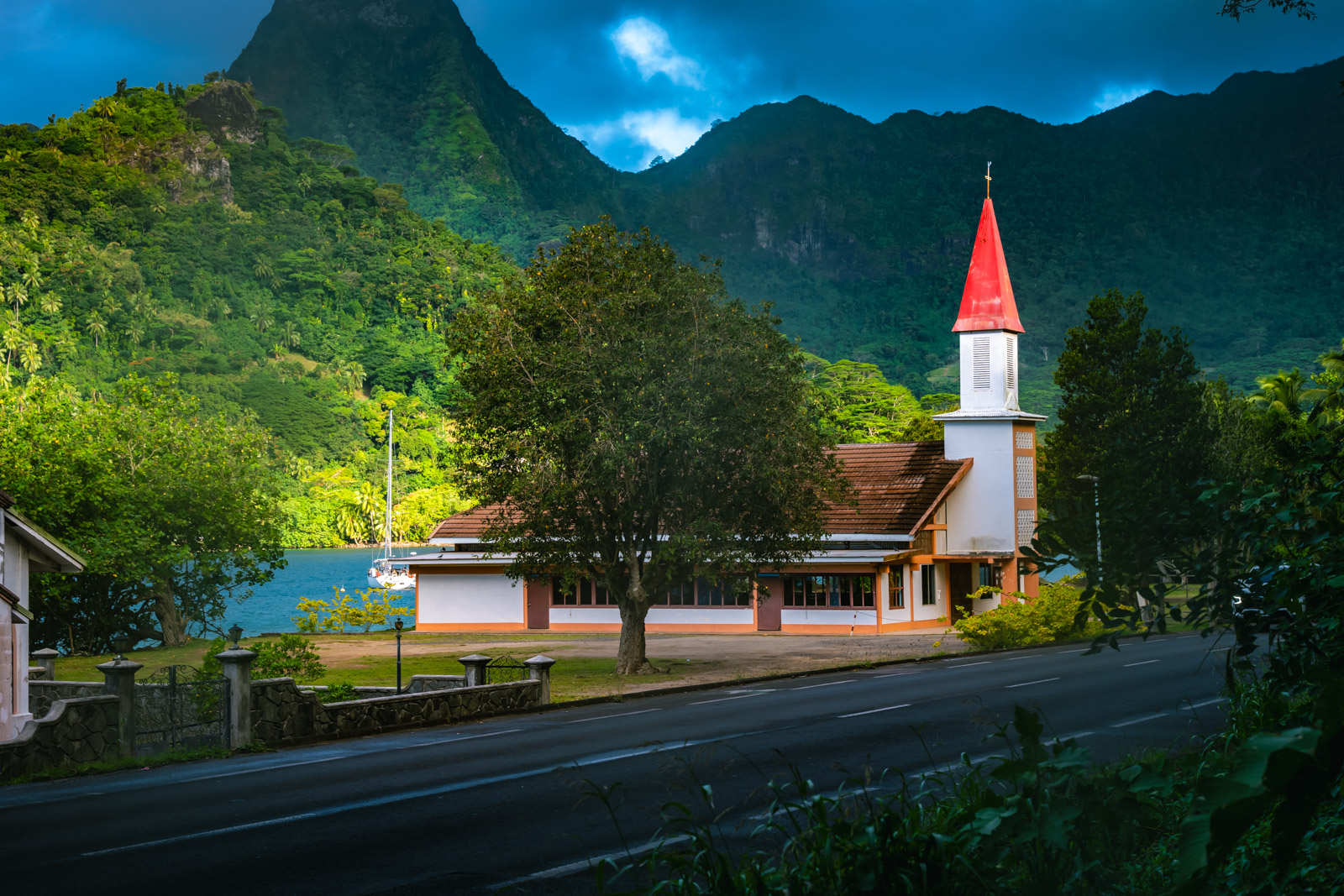
Morea has been kind. It is well stocked and close and friendly, the anchorage a short row from anything a person might want, and the hills behind it are full of trails. David and I walked up through the woods to a viewpoint and looked down on the whole bright bowl of the bay, and then I came back and started fixing the things the passage had broken, because that is the other half of arriving. The repairs can wait until tomorrow, and so, for once, can I. There is a green bay outside the portlight, and a boat that carried me across to it, and a locker that is, for the first time in weeks, not made entirely of onions.
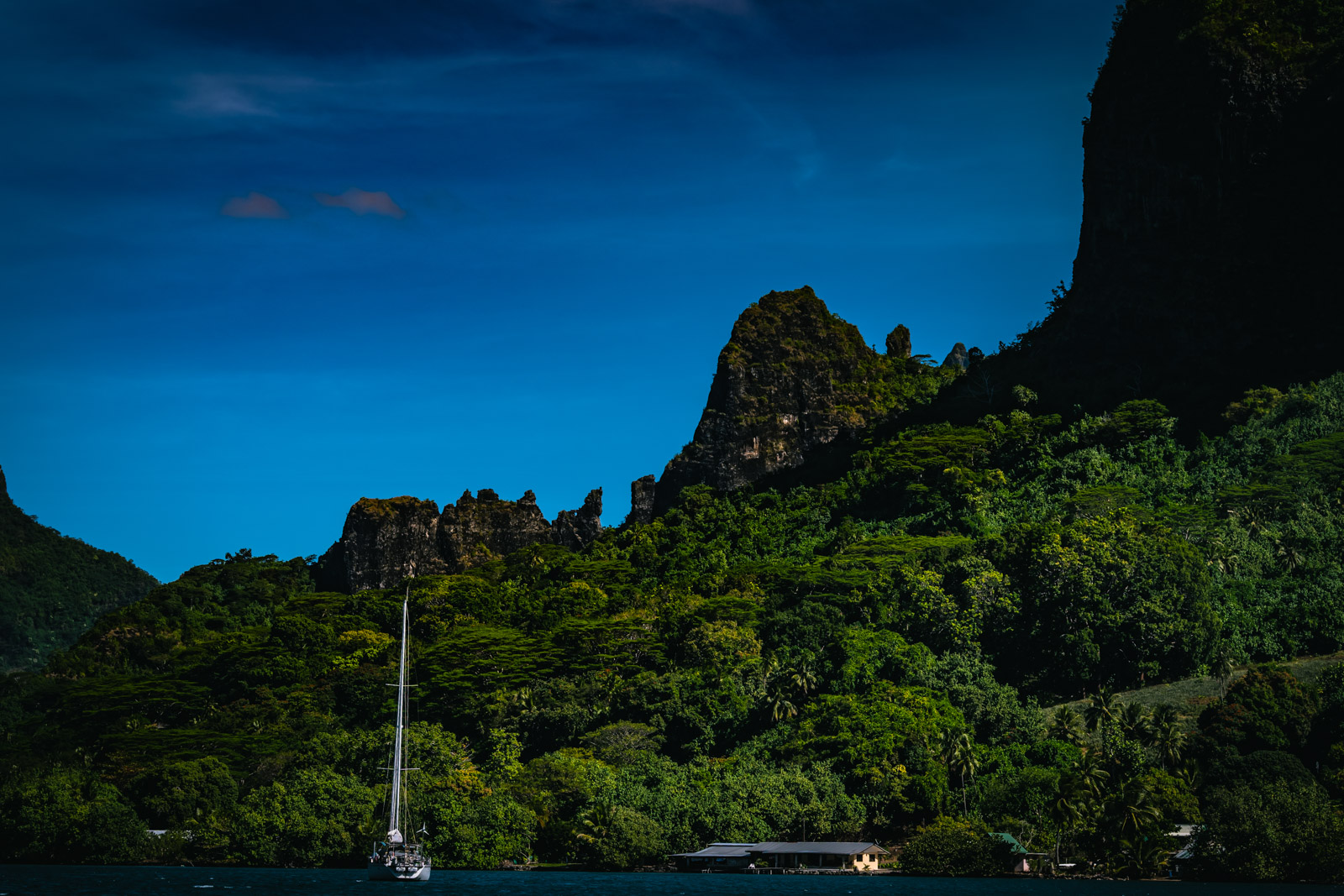
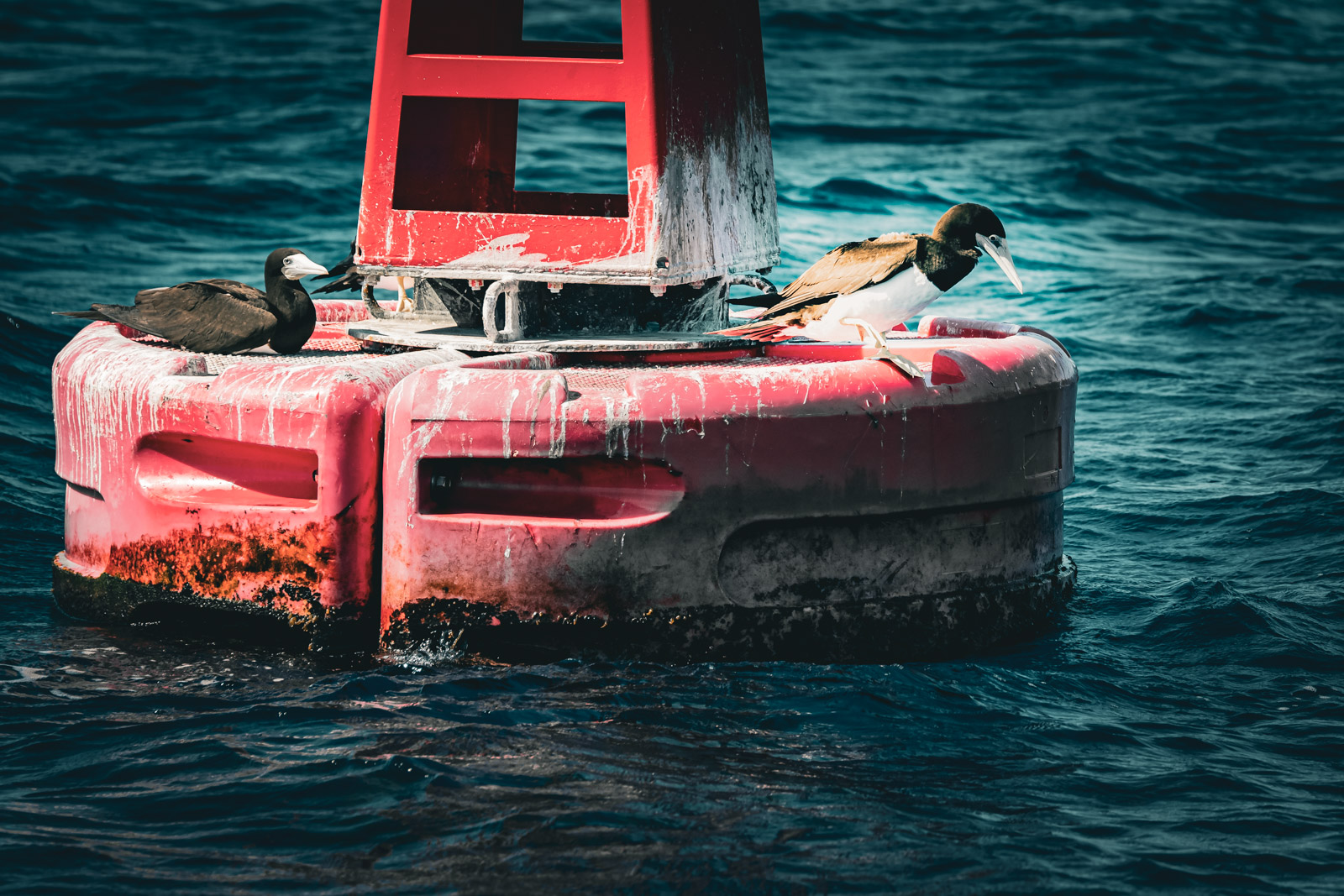
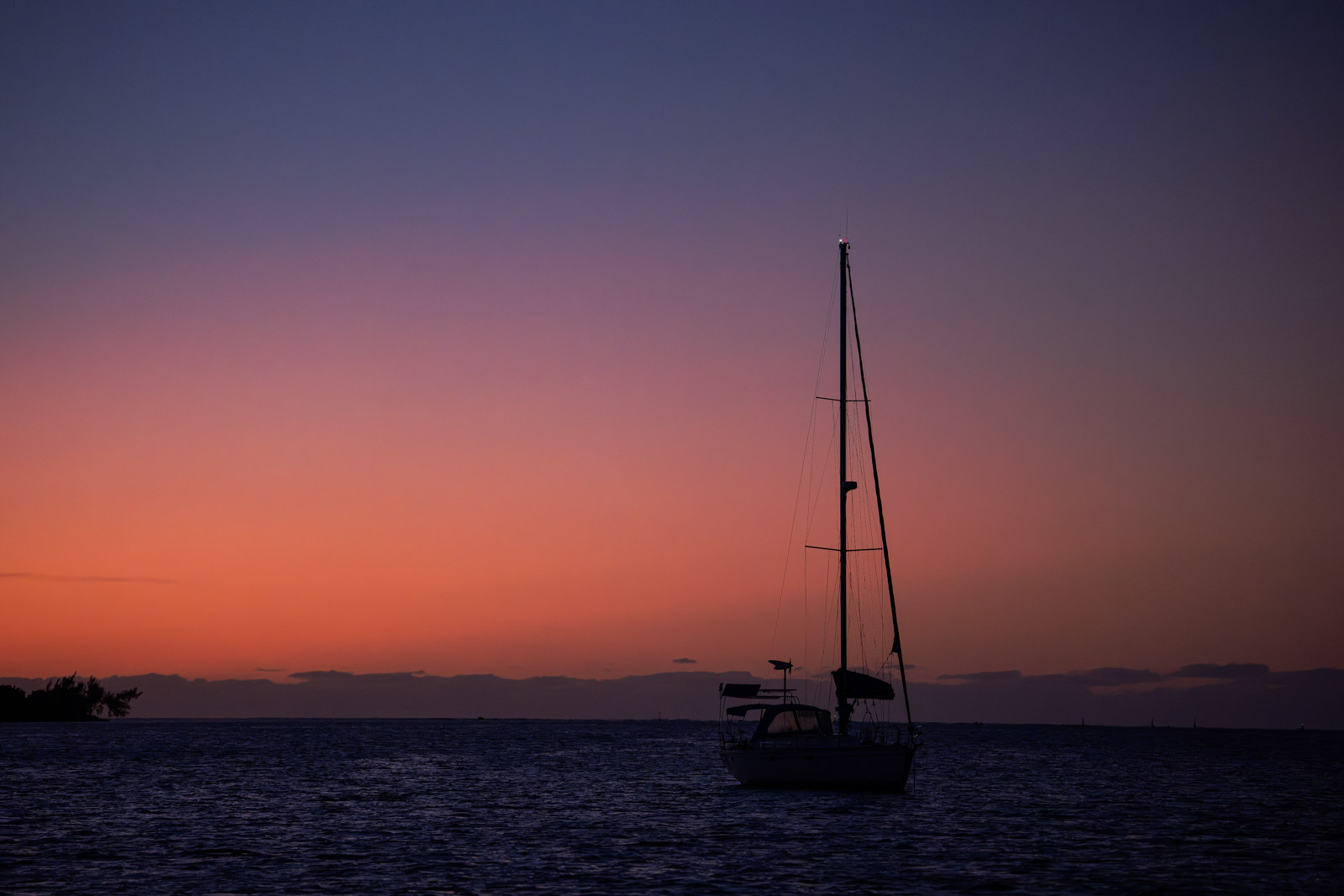
Left: Cloud Nine on her hook under Morea's spires, which do not so much rise as loom. Right, top: two boobies share a channel marker and the firm opinion that the boat can find its own way in. Right, bottom: a boat at anchor at last light, the reward for staying out of a strange pass until morning.
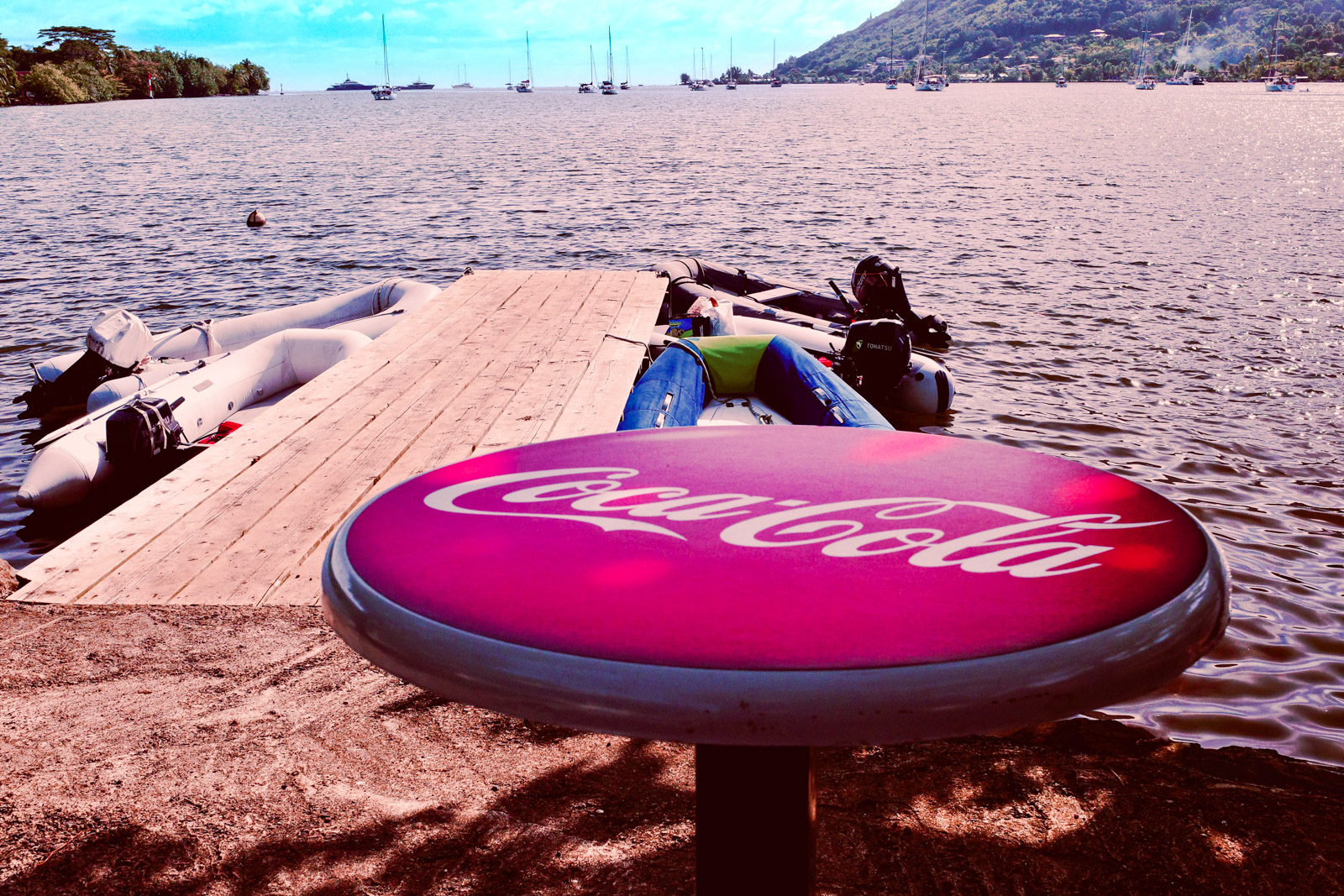
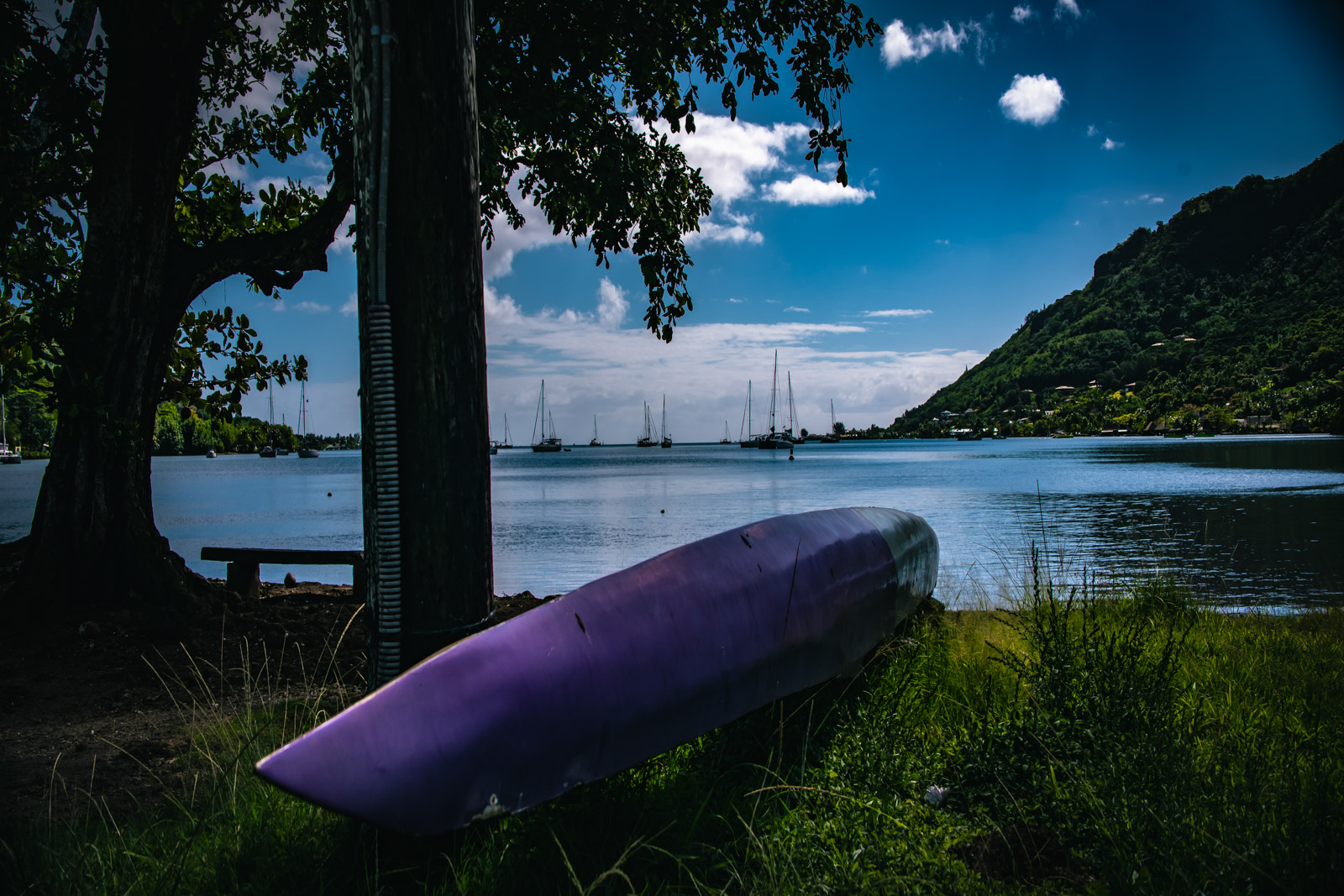
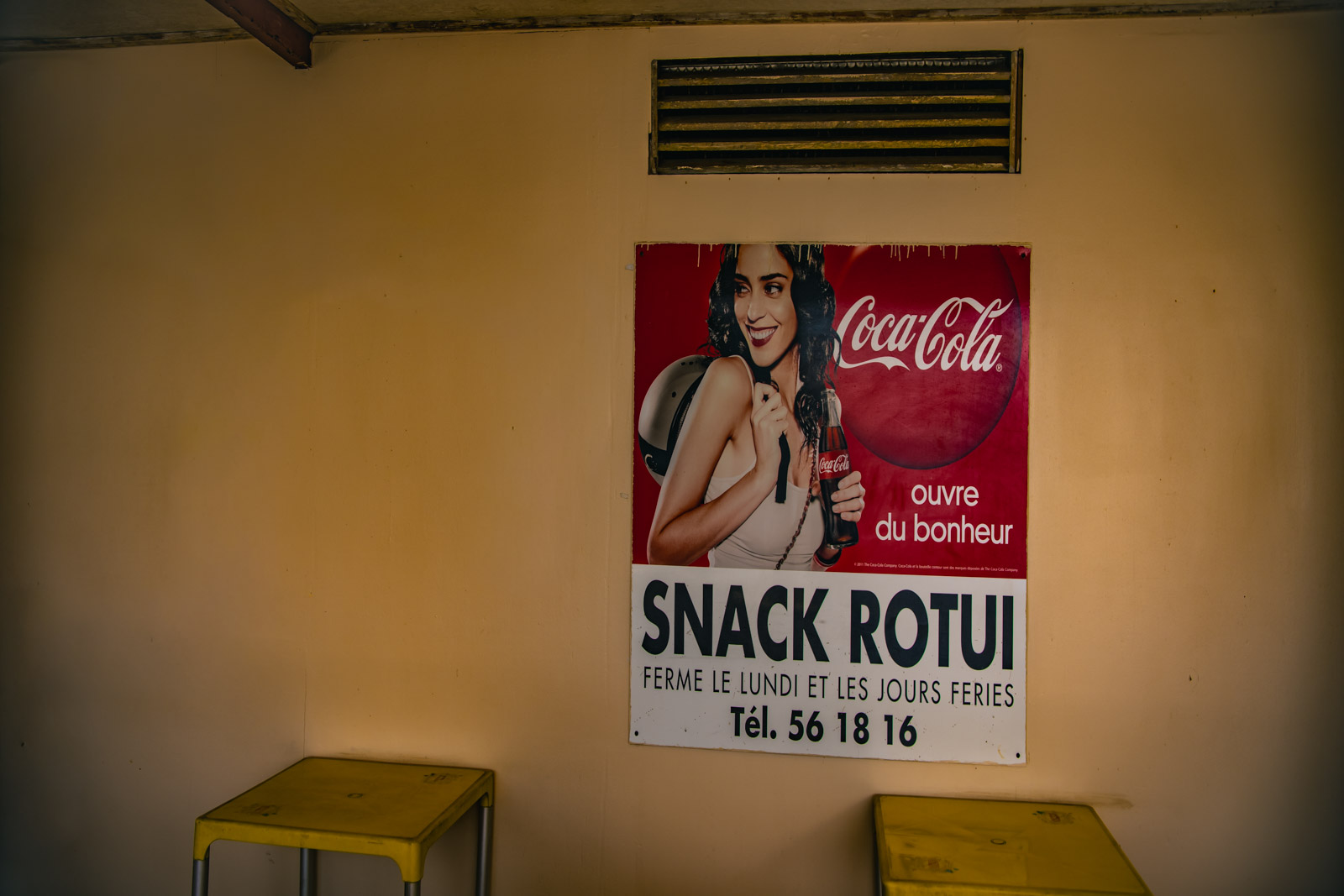
Left: the dinghy landing, a raft of tenders and a Coca-Cola table holding down the beach. Right, top: a canoe pulled up under the trees, the mooring field of Cook's Bay laid out behind it. Right, bottom: Snack Rotui, closed Mondays and holidays, otherwise open to the general proposition of happiness.
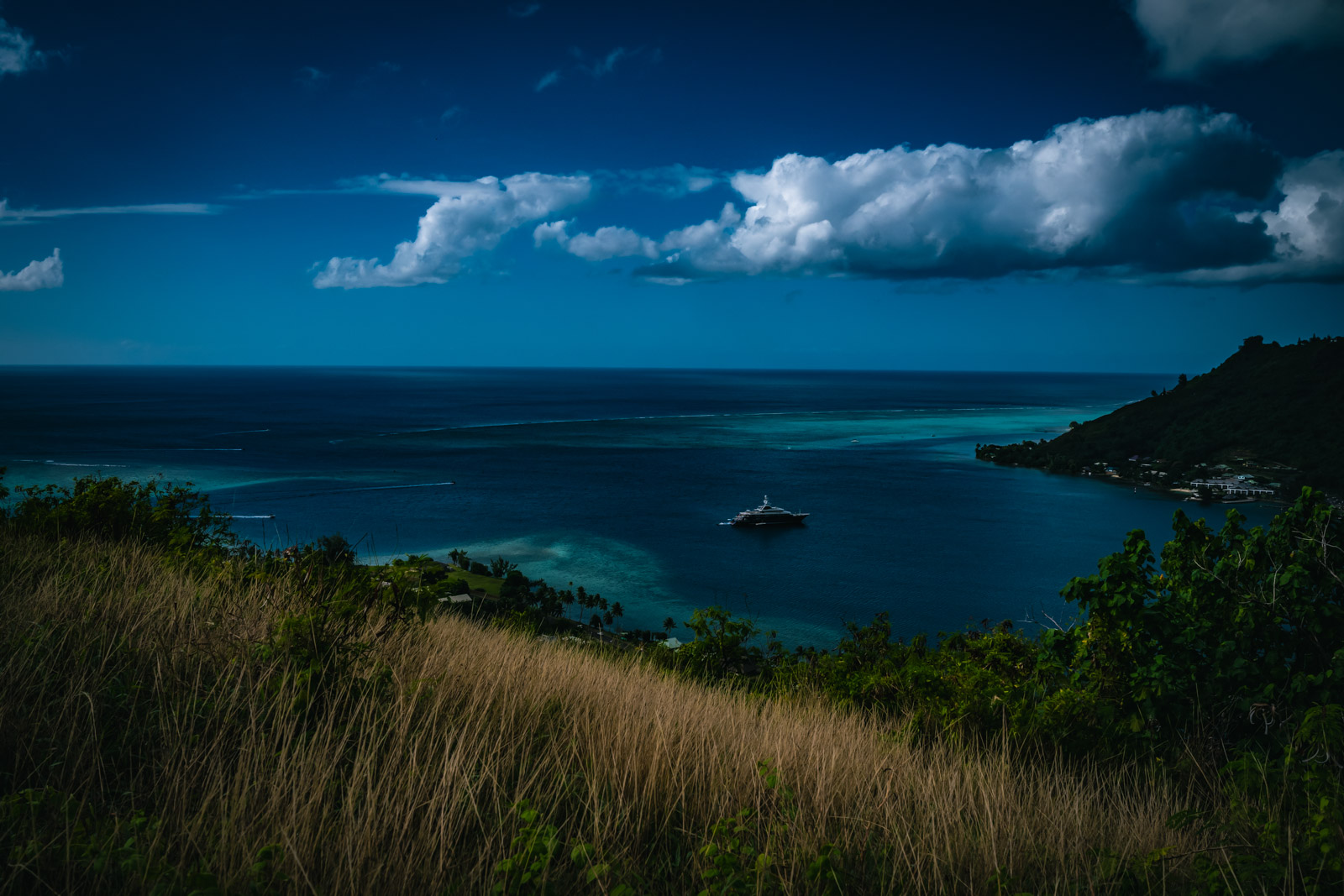
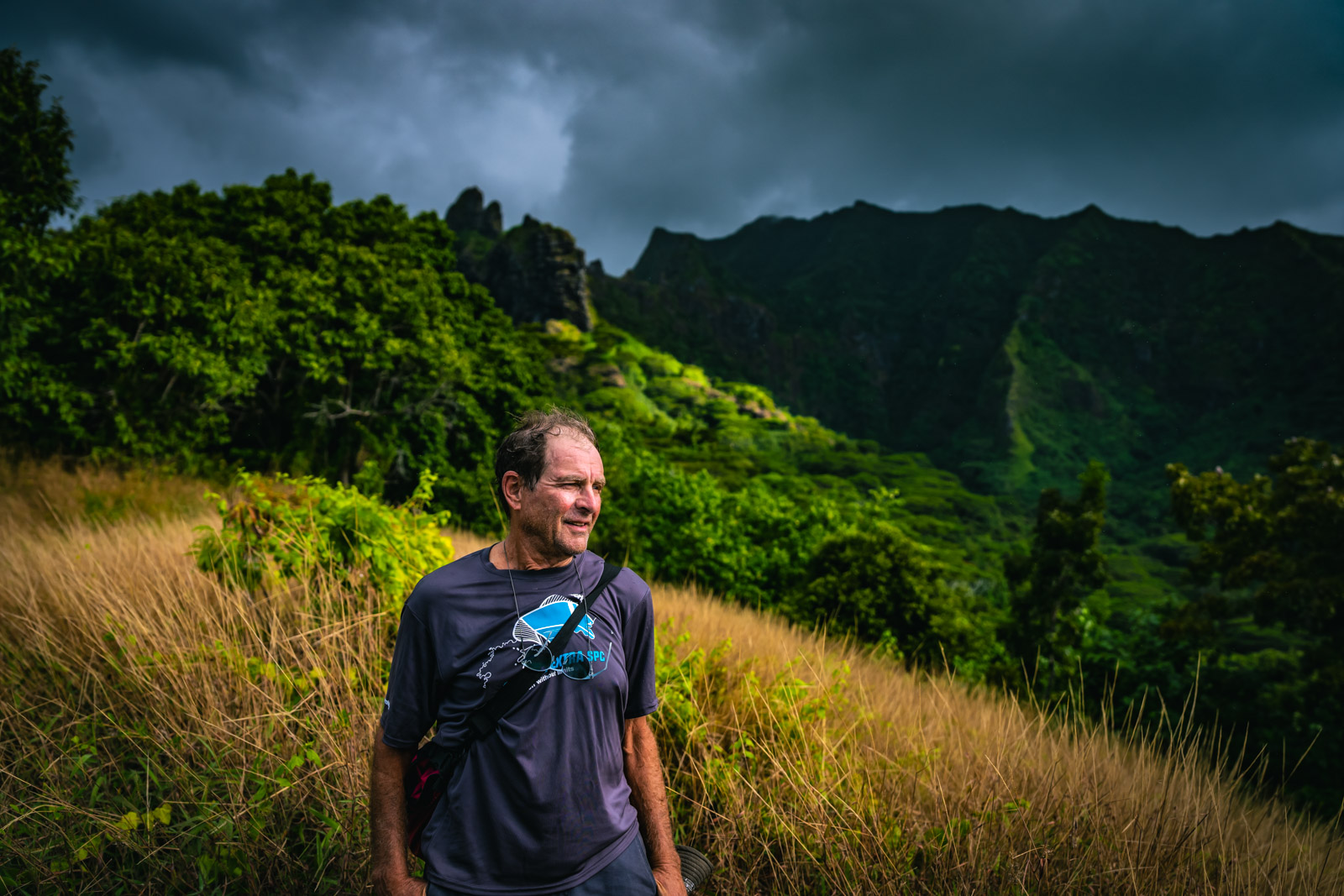
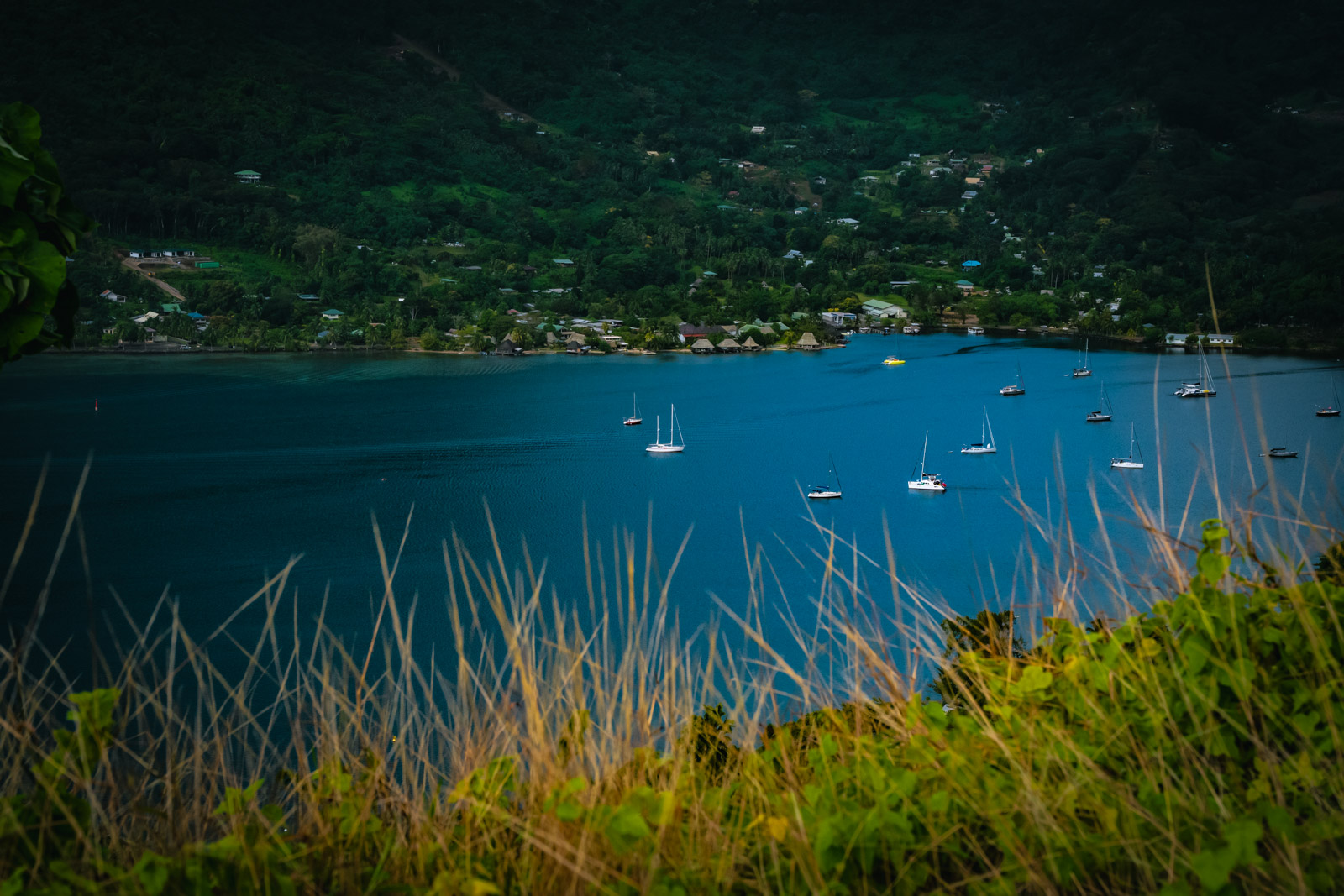
Left: the view from the ridge, a superyacht parked on the reef edge for scale. Right, top: David, with weather coming in behind him and entirely unbothered by it. Right, bottom: the bay from above, the fleet swinging together the way anchored boats do.
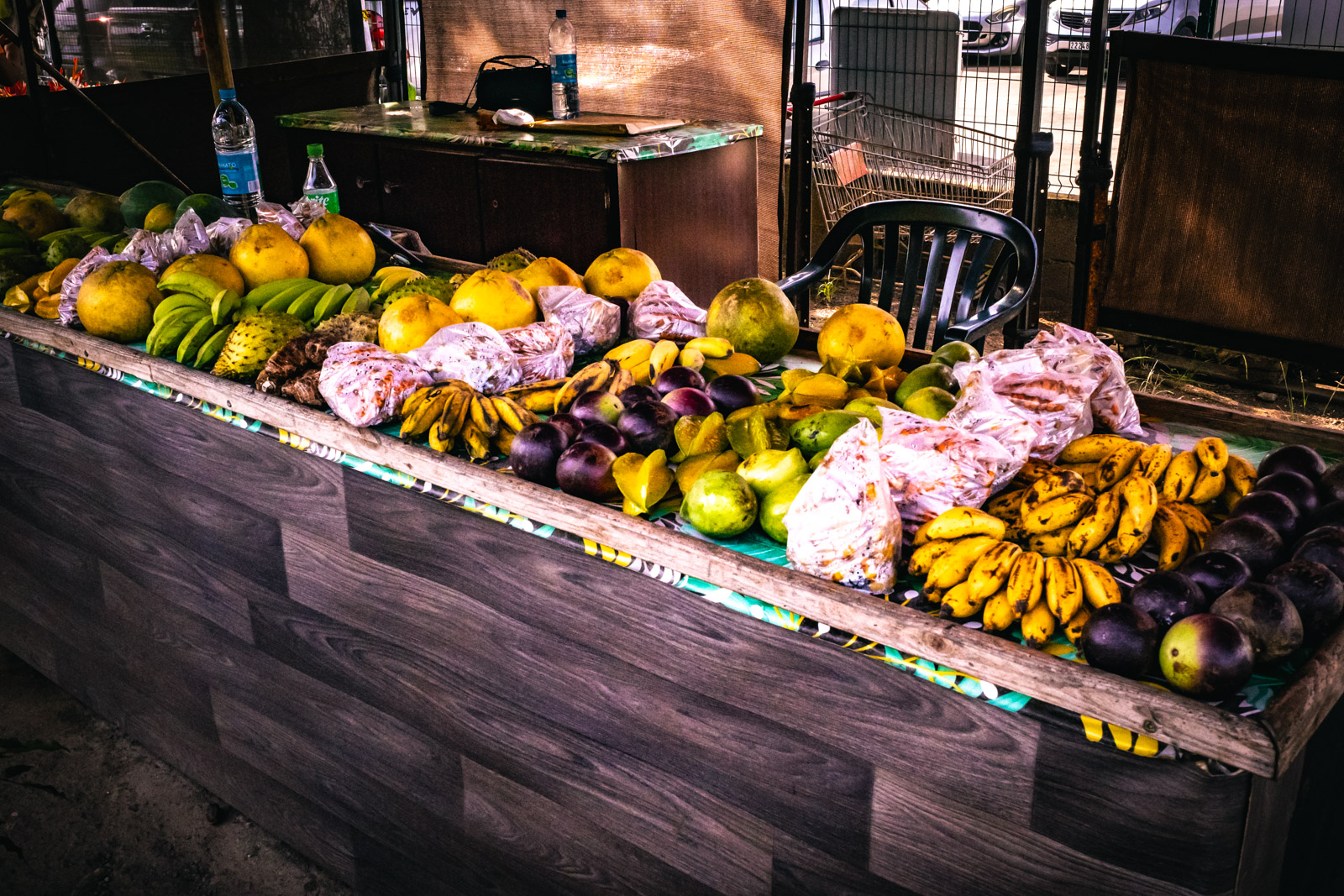
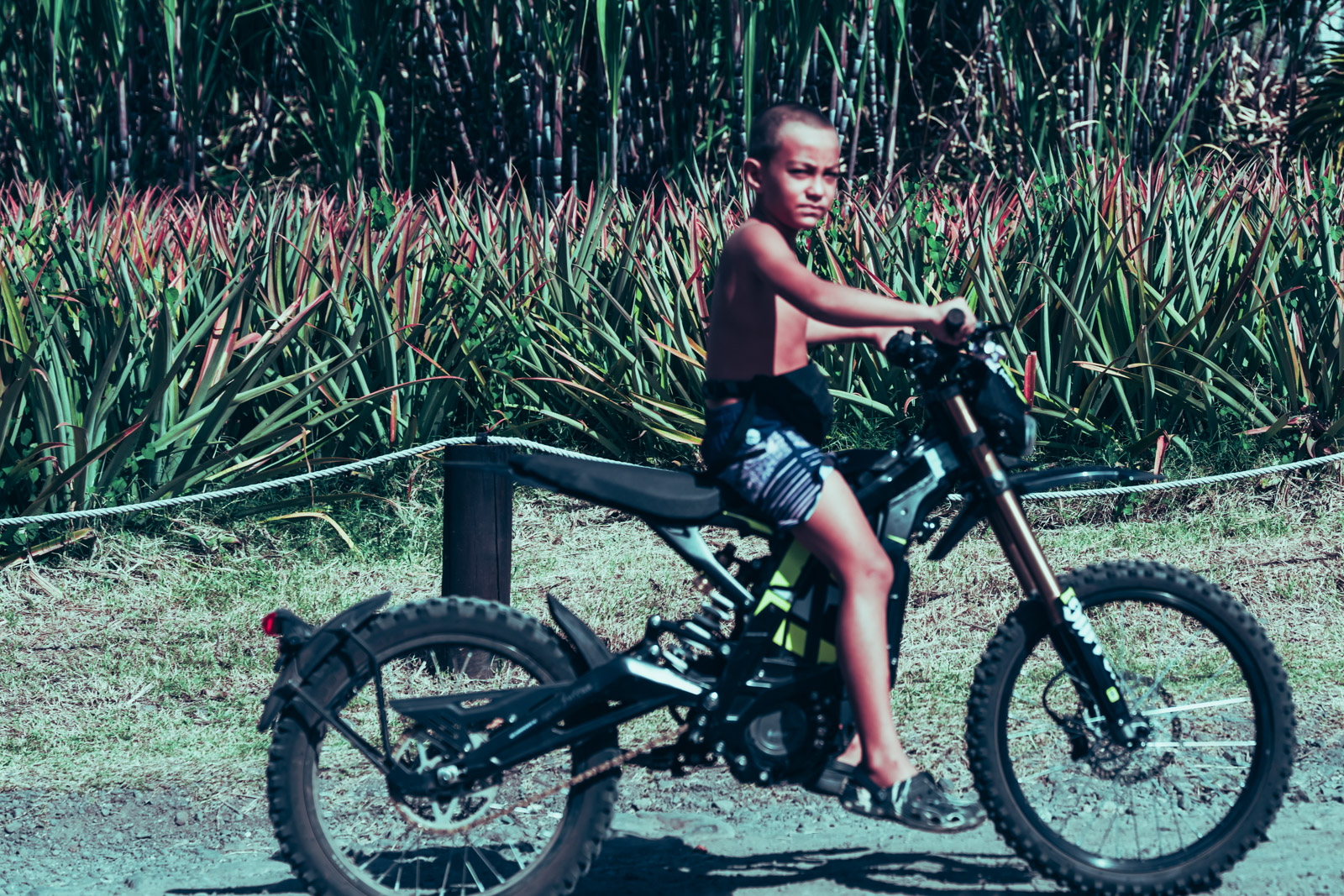
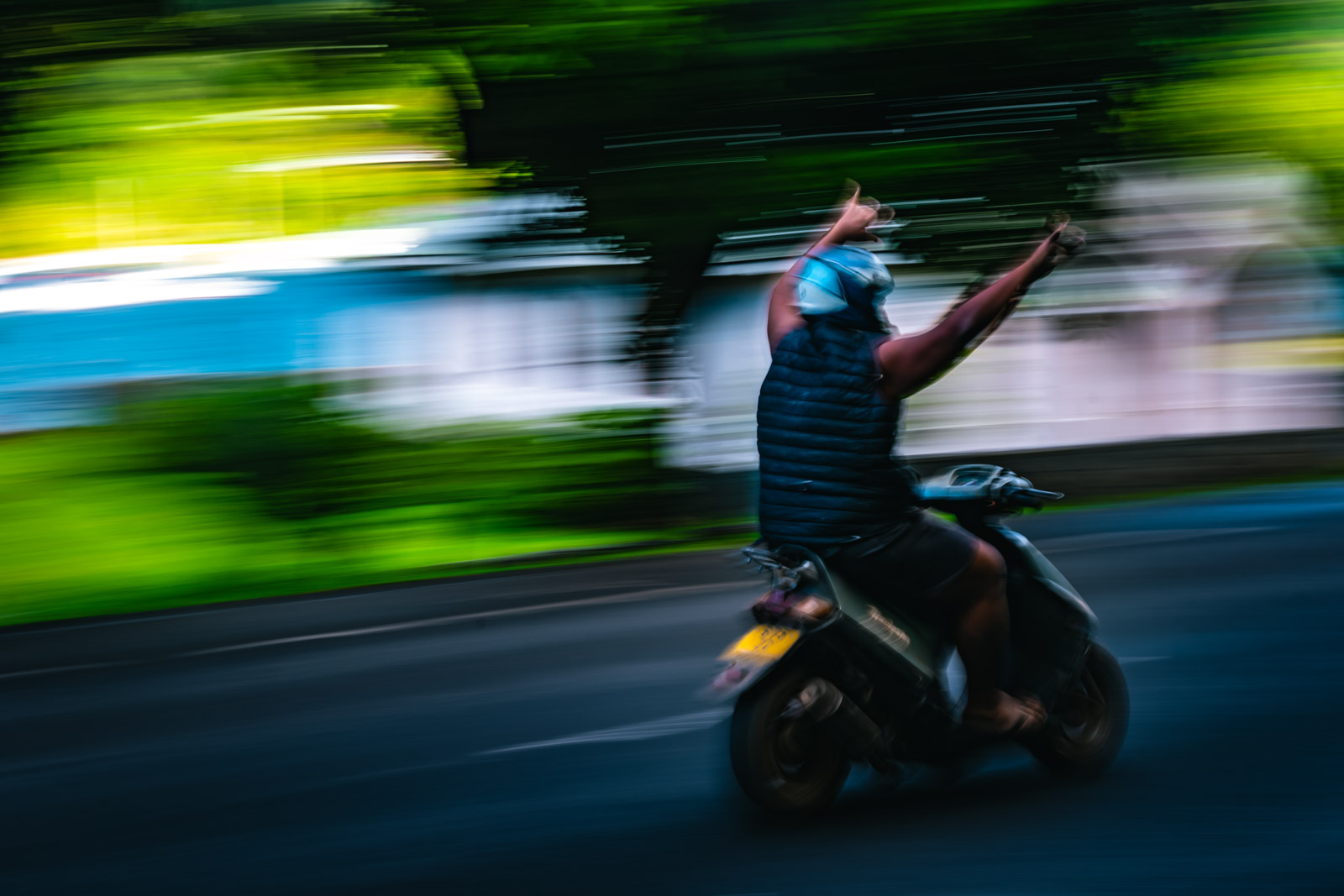
Left: every vegetable I could carry, which after two weeks of onions counts as a spree. Right, top: island transport, sized down and taken entirely seriously. Right, bottom: the same idea, full size, going somewhere in a hurry.